Aubergines in Pots: Warmth, Staking and a Glossy Harvest
A guide to growing eggplant (aubergine) in pots: pot size, warmth and sun, staking, watering, feeding and when to harvest the glossy fruit. Great for balconies.
In this article
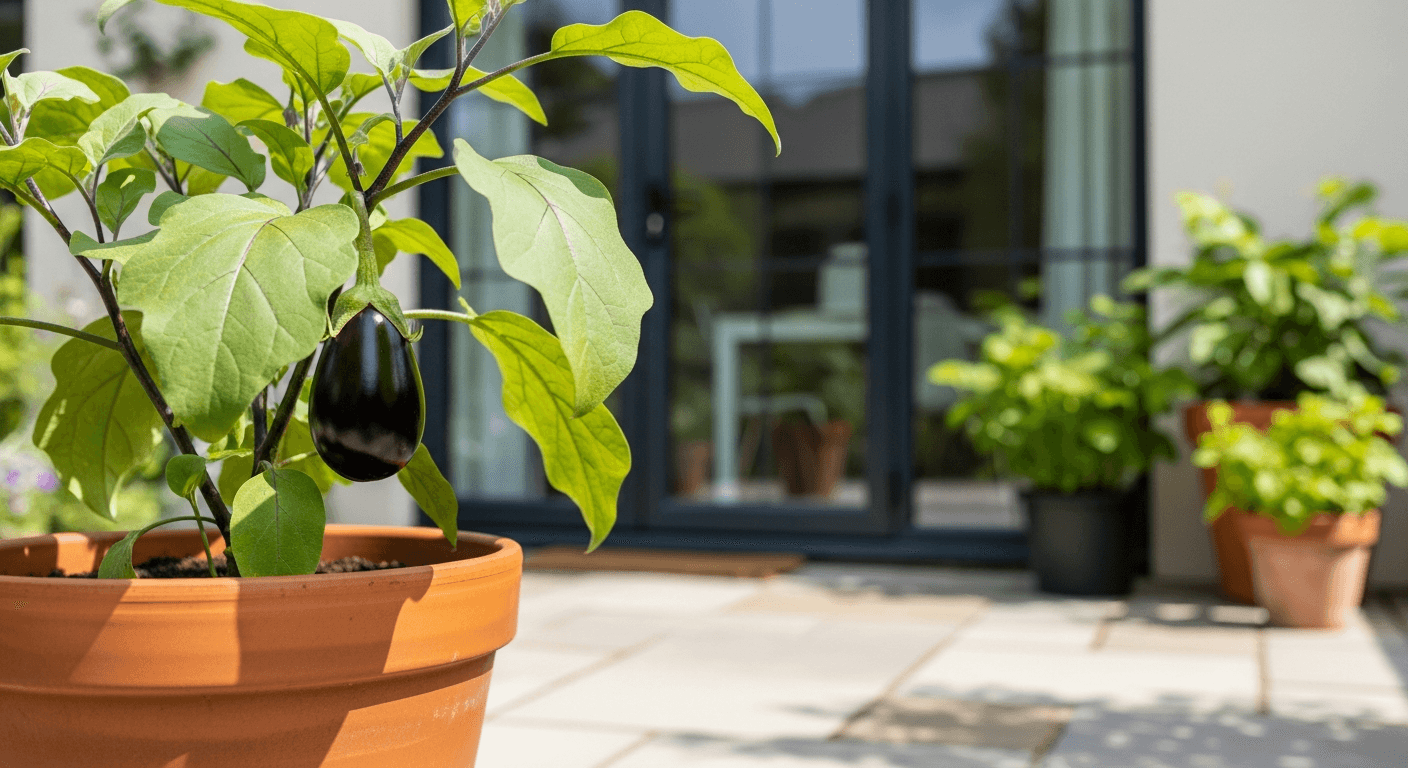
Eggplant (aubergine) is one of the most rewarding summer crops: a single well-cared-for plant can give you fruit for months. It's a cousin of tomato and pepper, so if you've grown either, you'll feel right at home. Above all it needs two things: warmth and sun. Here's how to grow it in a pot.
| Fact | Eggplant in pots |
|---|---|
| Pot | 5-6 gallons per plant |
| Light | 6+ h of sun and warmth |
| Support | From the start |
| Watering | Steady; daily in summer |
| Feeding | Potassium-rich from flowering |
| Harvest | Young and glossy |
Warmth: the factor that decides everything
Eggplant is a tropical, cold-sensitive plant. Don't move it outdoors until nights are reliably above 55-60 °F; cold stalls it and yellows its leaves. That's why you shouldn't rush in spring: a plant set out in real warmth quickly overtakes one planted earlier and chilled.
Is your plant looking off and you are not sure why?
Free AI diagnosisChoose the right variety for pots
Not every eggplant does well in a container. For balconies, compact or small, slender-fruited varieties work best — they crop earlier and don't need a huge bush. Baby-type or long, thin Asian eggplants tend to set fruit faster than the big round ones, which matters if your warm season is short. If you buy a seedling, pick one that's short, green and sturdy, avoiding leggy plants or ones already forced into flower.
How to grow it, point by point
Pot size matters
Eggplant has deep roots and needs room:
- At least 5-6 gallons per plant (a pot around 14-16 inches across).
- Drainage holes are essential.
- A fabric or terracotta pot breathes better than thin plastic in the sun.
A too-small pot is the classic mistake: the plant stays stunted and sets little fruit.
Sun and position
It needs direct sun, at least 6 hours a day. A south- or west-facing balcony is ideal. In low light it grows but won't fruit. Shelter it from strong wind, which snaps stems loaded with fruit.
Soil and planting
Use a rich, well-draining mix: potting soil with 20-30% compost or worm castings. When planting the seedling, set the root ball level with the surface and water well to settle the soil.
Watering: steady, never soggy
Eggplant drinks heavily in high summer but hates waterlogging:
- Water when the top inch is dry, usually daily on hot days (pots dry out fast).
- Water at the base, not the leaves, ideally in the morning.
- A straw or coir mulch cuts evaporation and steadies the moisture.
Erratic watering causes bitter fruit and dropped flowers.
Staking and pruning
It looks sturdy, but a fruit-laden plant is heavy:
- Add a stake or cane from the start and tie the main stem.
- Keep 2-3 main stems and remove low shoots to improve airflow.
- You can pinch the tip once several fruits have set so they fatten up better.
Feeding
From flowering on, feed every 10-14 days with a potassium-rich fertilizer (tomato food works). Excess nitrogen gives lots of leaf and few fruits. If you also grow peppers, check our peppers in pots guide — the care is nearly identical.
Eggplant is the hottest-running and fussiest of the three balcony nightshades: if you can bring it through, tomatoes and peppers will feel easy, because they ask for the same things but forgive a lot more.
Common pests
- Aphids and spider mites: in dry air. Check the leaf undersides.
- Flea beetles: chew small holes in the leaves.
- Whitefly: clouds of insects when you disturb the plant.
When to harvest
Pick eggplants young and glossy, while the skin is taut and shiny. Once it dulls and wrinkles, it's overripe — bitter and full of seeds. Cut with scissors, leaving a bit of stalk. The more you pick, the more the plant produces.
Mistakes that ruin the harvest
- Planting in the cold → stalled, yellow plant.
- Small pot → low yield.
- Erratic watering → dropped flowers and bitter fruit.
- Late harvest → tough, seedy eggplants.
Is your eggplant looking off — spotted or holey leaves? Upload a photo to our AI diagnosis and we'll help you pin down the problem. 🍆
Related articles
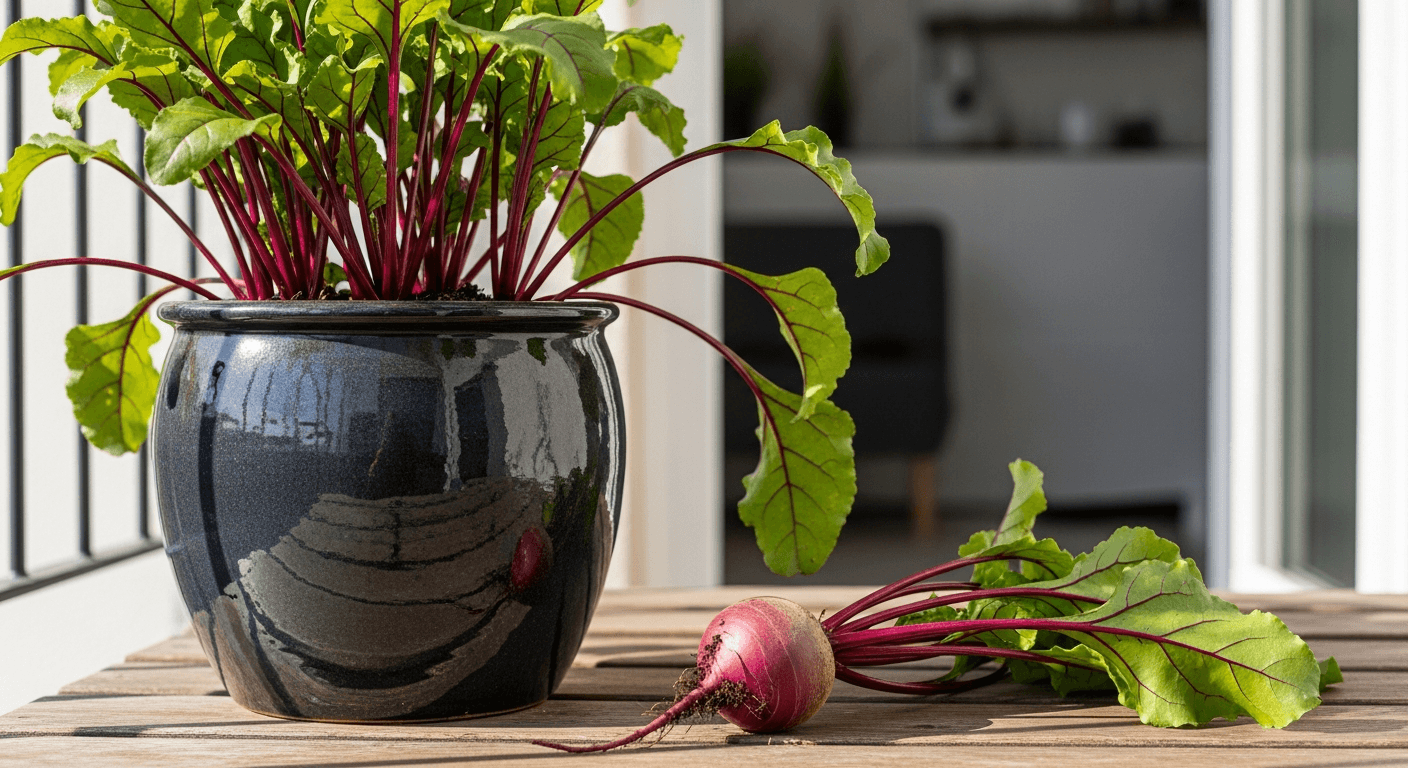
How to Grow Beets in Pots (Roots and Leaves)
Grow beetroot in pots: pot depth, thinning seedlings, steady watering and harvest. Discover that the leaves are edible too and absolutely delicious.
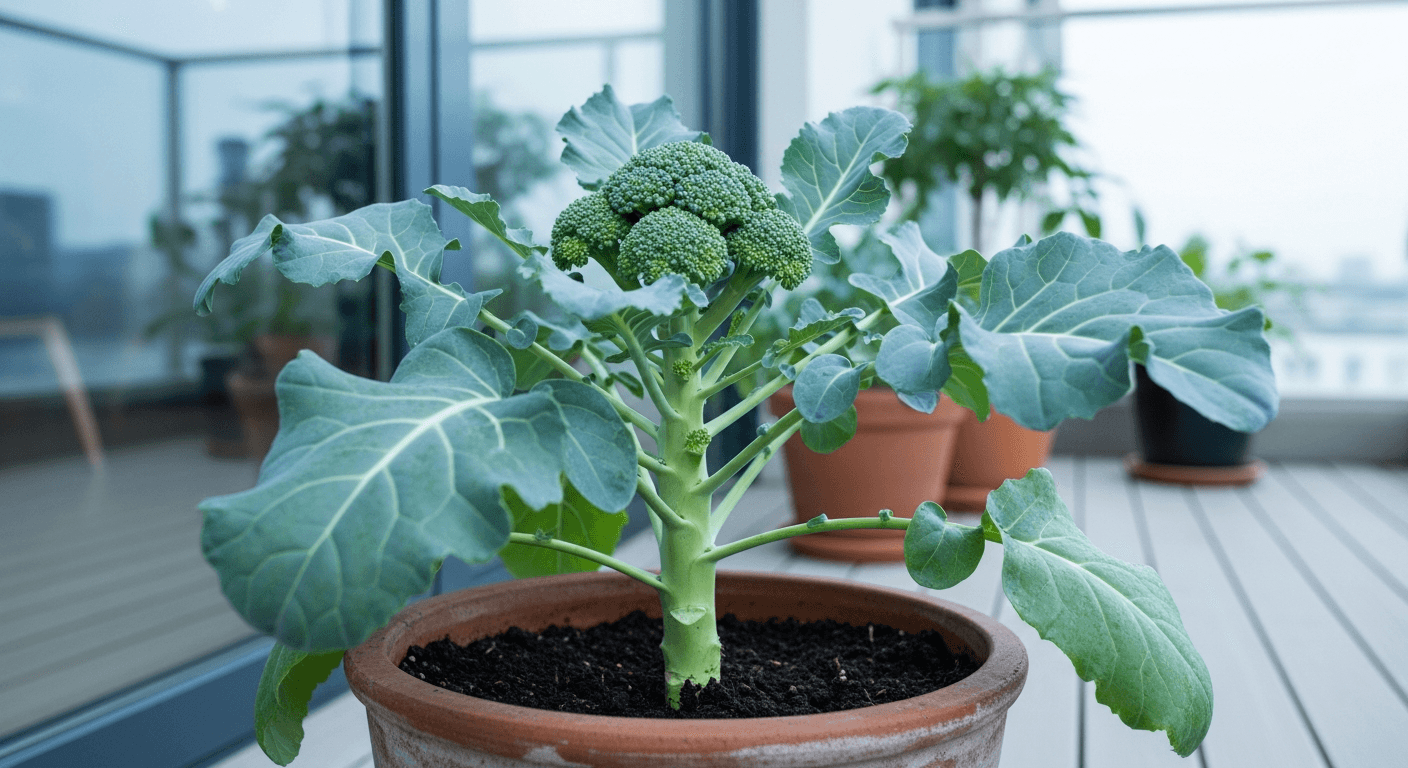
How to Grow Broccoli in Pots Step by Step
Grow broccoli in pots: a cool-season crop, a deep pot, sun, watering and harvesting the central head plus side shoots. Avoid the common pests and mistakes.
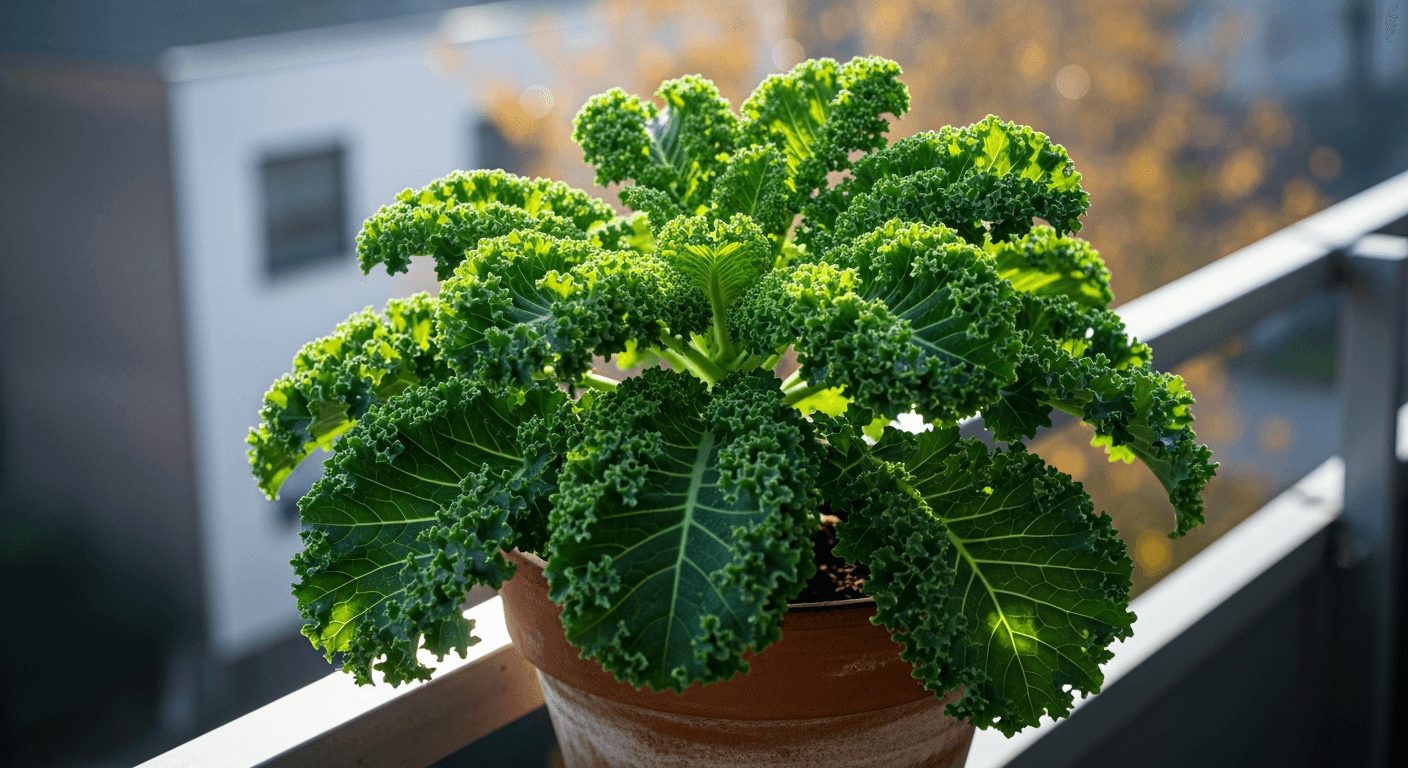
How to Grow Kale in Pots
A guide to growing kale in pots: pot size, sowing, harvesting leaf by leaf for months, and why frost makes it sweeter. An easy cool-season crop for balconies.
Trouble with your plant?
AI diagnosis