Mint in Pots: Why It Must Always Be Planted Alone
How to grow mint in pots: why to plant it alone, light, generous watering, harvesting, and how to stop its roots from invading your whole garden.
In this article
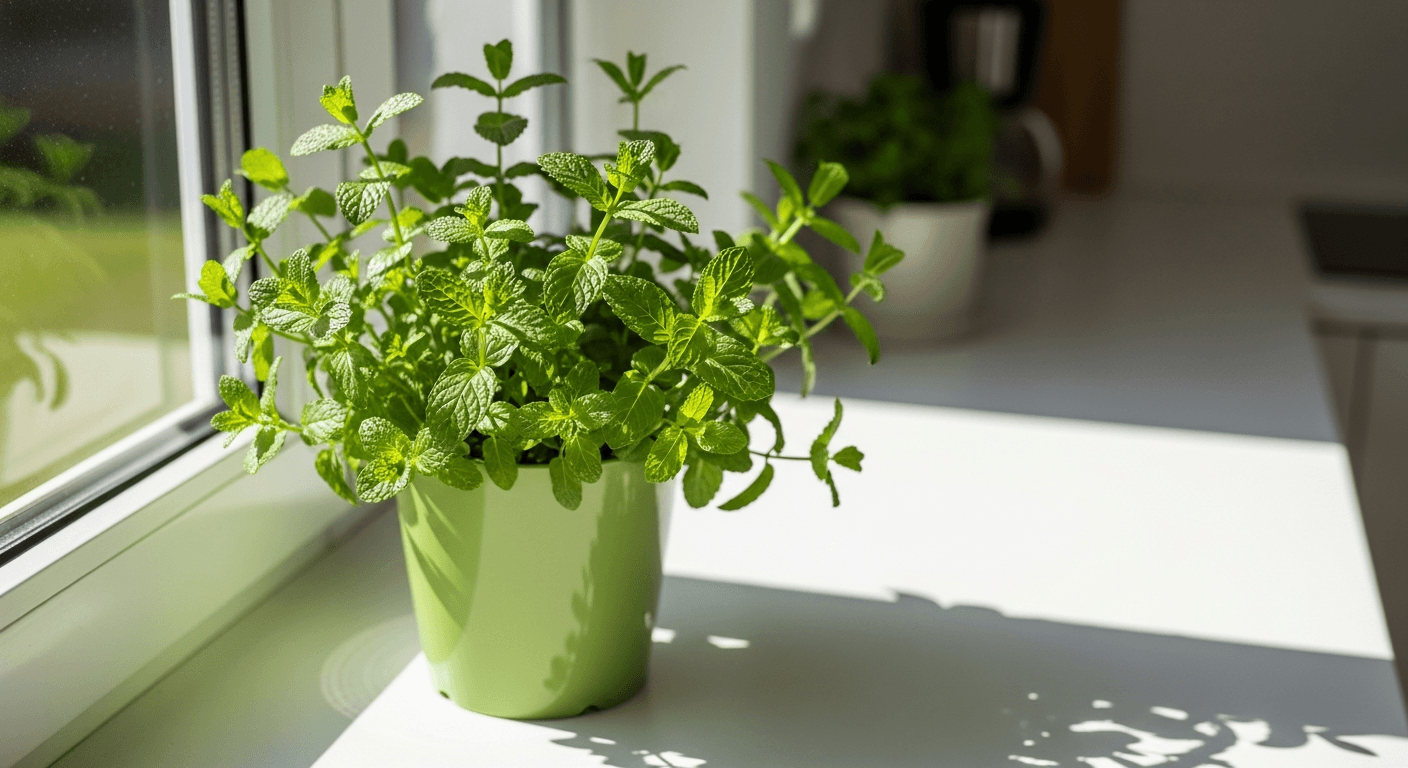
Mint is the perfect herb to start with: practically impossible to kill, fast-growing, and it scents teas, mojitos and salads. That same vigor is its danger: plant it in garden soil and its roots (runners) will take over everything in a single season. That's why the golden rule is to always grow it in a pot, and always on its own.
| Fact | Mint in pots |
|---|---|
| Pot | 8-10 inches, always on its own |
| Light | Full sun to part shade |
| Watering | Generous; daily in summer |
| Harvest | From 4 inches, with frequent pruning |
| Winter | Dormant; regrows in spring |
| Toxicity | Non-toxic |
Why always in a pot, alone
Mint spreads by runners — underground stems that root and form new plants. In a shared planter it will smother its neighbors within weeks. In its own pot you keep that spread in check and the harvest within reach.
Is your plant looking off and you are not sure why?
Free AI diagnosisHow to grow it, point by point
Pot and soil
- Size: at least 8-10 inches across; the wider the pot, the bigger the plant.
- Material: any with drainage; terracotta dries faster, so watch the watering.
- Soil: all-purpose mix with a little compost. Mint isn't fussy.
Light
Mint tolerates full sun to partial shade. Ideal is morning sun with some shade during the hottest summer hours. In intense full sun without enough water, the leaf edges will scorch. Indoors, give it your brightest window.
Watering
Here mint breaks the rule for Mediterranean herbs: it likes moisture. Water as soon as the top inch of soil is dry; in summer that can mean daily. If the leaves look limp, it's almost always thirst. That said, avoid permanent waterlogging, which rots the roots.
Mint forgives overwatering far better than most plants, but not a saucer that's always full.
Harvesting and pruning
The more you cut it, the bushier it gets.
- Cut stems just above a pair of leaves; it will branch into two from there.
- Pinch the tips often so it doesn't get leggy.
- Remove flowers as soon as they appear — if it blooms, the leaves lose flavor.
You can start harvesting once the plant is 4 inches tall. To preserve it, freeze chopped leaves in ice cube trays with water.
Propagating it is incredibly easy
Cut a 4-inch stem, strip the lower leaves and put it in a glass of water. Roots will appear within a week and you can plant it. A single plant gives you enough to share with the whole neighborhood.
Winter
In cold climates mint drops its leaves and looks dead in winter — that's normal, it's dormant. The roots survive and it will bounce back strongly in spring. Cut back on watering during those months.
Common problems
- White powder on the leaves: powdery mildew, from poor airflow; thin the plant and improve ventilation.
- Orange spots on the underside: rust; remove the affected leaves.
- Yellow lower leaves: usually overwatering or lack of feeding.
If odd marks or bugs show up and you can't identify them, try our AI diagnosis to find out what's wrong.
With its own pot, generous watering and frequent pruning, mint will give you leaves nonstop from spring to autumn. If you enjoy container growing, check out our guide to herbs in pots too.
Related articles
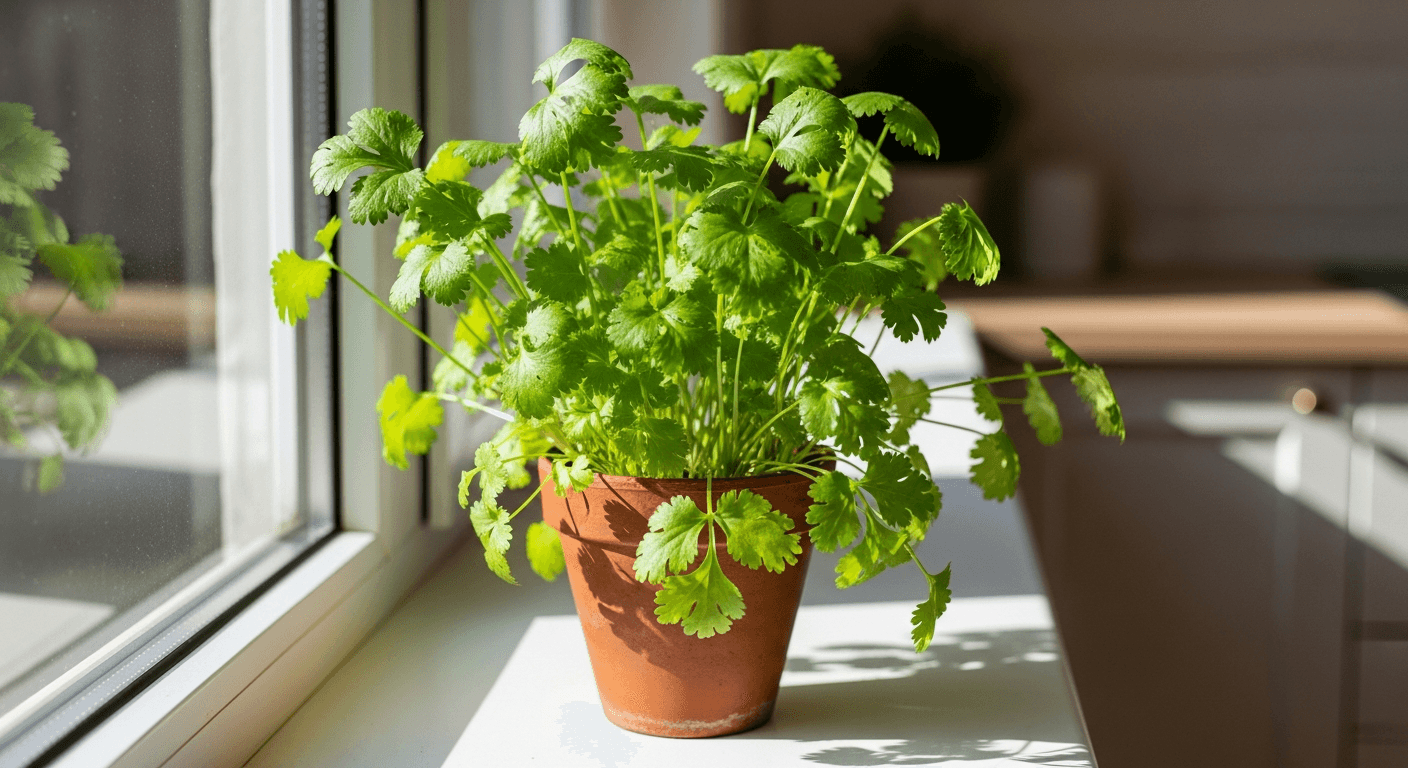
Cilantro in Pots: How to Grow It Without Bolting
Grow cilantro (coriander) in pots step by step: succession sowing, light, watering and why it bolts in heat. Harvest fresh leaves for months.
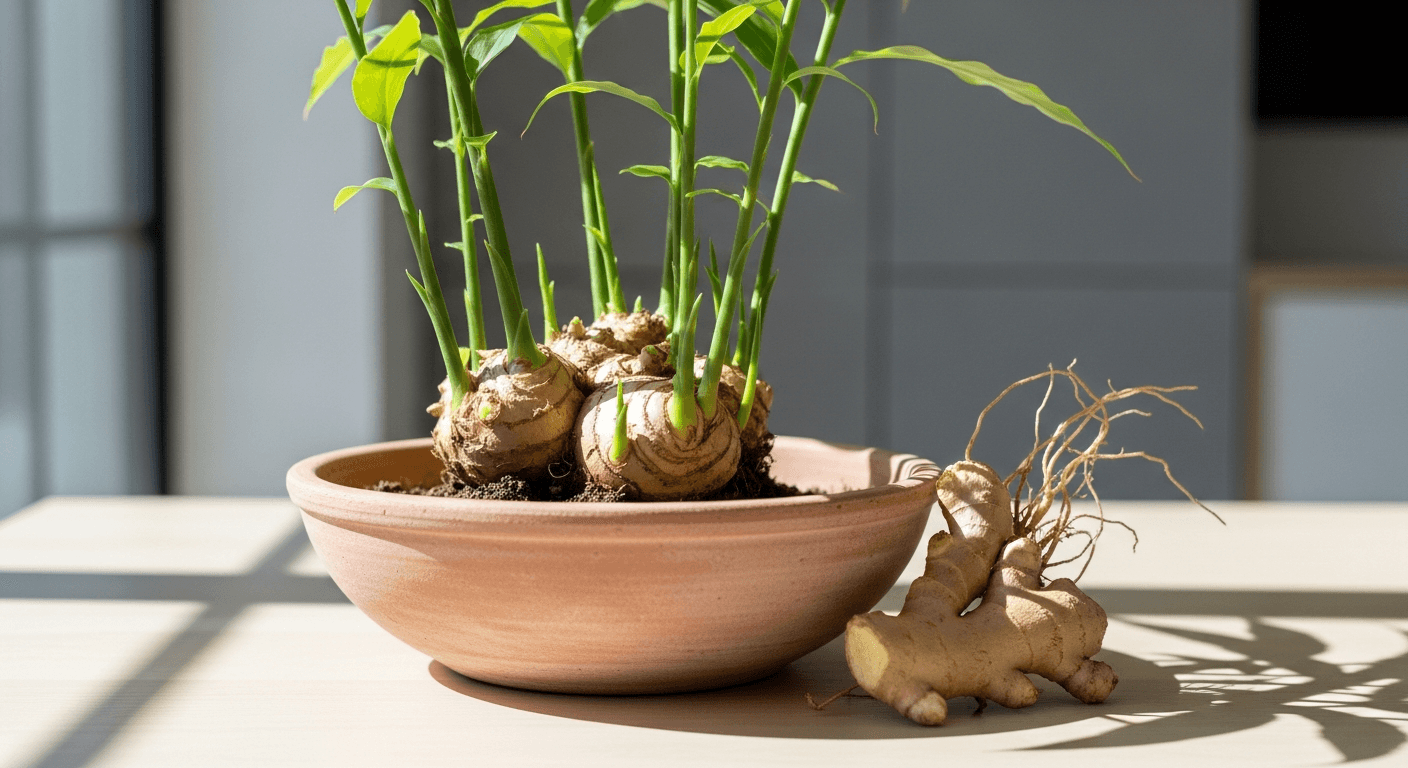
Ginger in Pots: Grow It at Home From a Rhizome
How to grow ginger in a pot from a piece of root: a wide pot, warmth, watering, light, and when to harvest the rhizome after several months.
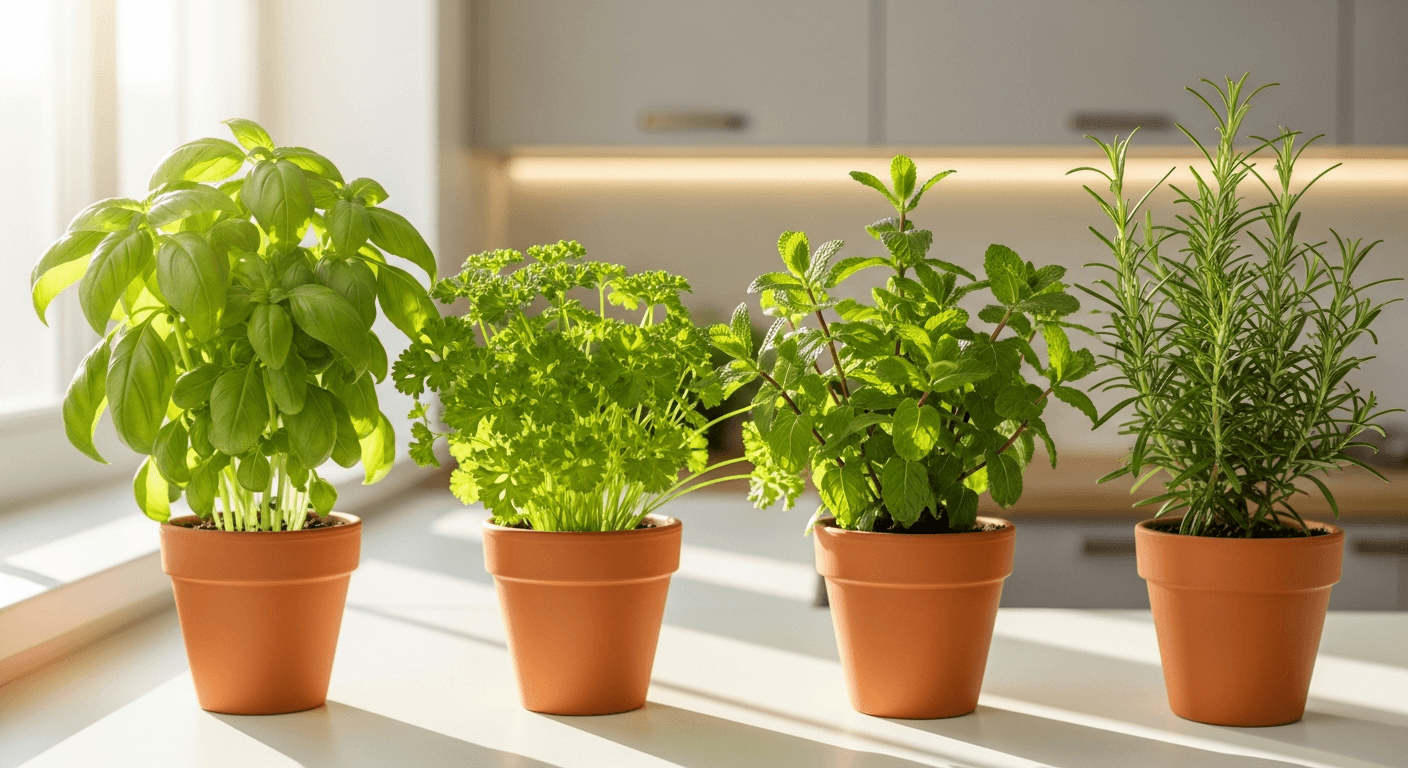
Herbs in Pots: The Easiest Garden to Start With
How to grow basil, parsley, mint, rosemary and more in pots or on your kitchen sill. Light, watering, when to harvest and tricks so they don't bolt or die.
Trouble with your plant?
AI diagnosis