Cilantro That Does Not Bolt: Succession Sowing and Shade
Grow cilantro (coriander) in pots step by step: succession sowing, light, watering and why it bolts in heat. Harvest fresh leaves for months.
In this article
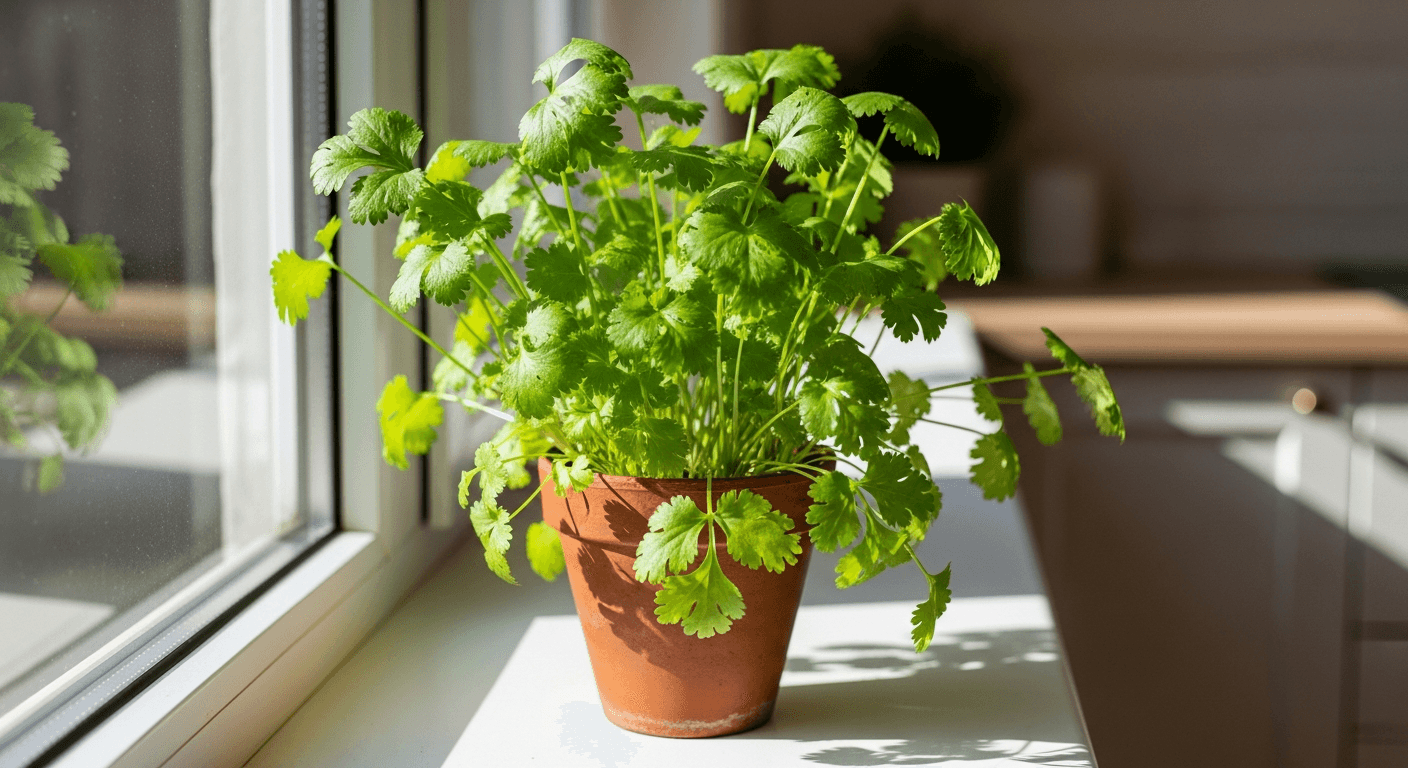
Cilantro (coriander) is one of the most rewarding herbs for a balcony: it germinates fast, takes up little space, and adds a fresh kick to guacamole, curries and salads. Its only flaw is that it tends to bolt (flower and stop producing leaves) the moment the heat arrives. With a couple of tricks, you'll have tender leaves for months.
| Fact | Cilantro in pots |
|---|---|
| Pot depth | 8-10 inches (taproot) |
| Sowing | Direct, 1/2 inch, succession |
| Light | Sun (afternoon shade in summer) |
| Temperature | 60-75 °F (cool season) |
| Harvest | From 4-6 inches tall |
| Weak point | Bolts in the heat |
Pot and soil
Cilantro has a taproot that doesn't like being disturbed, so it's best sown directly in its final spot.
- Depth: at least 8-10 inches so the root can develop.
- Width: a long planter lets you do succession sowing.
- Soil: light and well-draining; coco coir mixed with compost and a handful of perlite.
Make sure the pot has drainage holes — cilantro hates sitting in water.
Is your plant looking off and you are not sure why?
Free AI diagnosisSowing
Sow seeds directly about ½ inch deep and 2-3 inches apart. A trick: each "seed" is actually a fruit with two seeds inside; gently crushing them to split them speeds up germination. Keep the soil moist and you'll see sprouts in 7-14 days.
Succession sowing
Because cilantro is short-lived before bolting, don't sow it all at once. Plant a pinch of seeds every 2-3 weeks. That way you always have young plants producing leaves while the older ones flower.
Light and temperature
- Spring and autumn: full sun, its favorite season.
- Summer: give it afternoon shade. Extreme heat is what triggers bolting.
- Ideal temperature: between 60 and 75 °F.
Cilantro is, at heart, a cool-season plant. That's why many people grow it better in spring and autumn than in the middle of summer.
Watering
Keep the soil lightly moist but never waterlogged. Water when the top inch is dry, usually every 2-3 days in summer. Drought is another bolting trigger, so consistency is key.
Heat + drought = almost certain bolting. Water regularly and shade it from strong sun.
Why it bolts and what to do
Bolting means the plant sends up a tall flowering stem to set seed. The leaves turn thin, feathery and bitter. It's caused by heat, long days and water stress. You can't reverse it, but you can delay it:
- Harvest often to keep the plant young.
- Water consistently.
- Provide shade in summer.
- Choose "slow-bolt" varieties.
When a plant does bolt, let it: the flowers attract beneficial insects, and the dried seeds are coriander, a spice for your kitchen.
Harvesting
Start cutting once the plant is 4-6 inches tall. Snip the outer stems about an inch from the base with clean scissors; it will regrow from the center. Never remove more than a third of the plant at once. Fresh leaves spoil quickly in the fridge, so harvest just before using them.
Common problems
- Yellow leaves: usually overwatering or lack of nutrients. Check our yellow leaves guide.
- Seedlings collapsing: too much moisture and poor airflow (damping-off).
- Slow growth: not enough light; move it closer to the window or set the pot outside.
If you spot odd marks or bugs and aren't sure what they are, use our AI diagnosis to identify the problem in seconds.
With succession sowing, consistent watering and some summer shade, your cilantro planter will keep handing you fresh leaves. Want more easy herbs? Take a look at how to grow herbs in pots.
Related articles
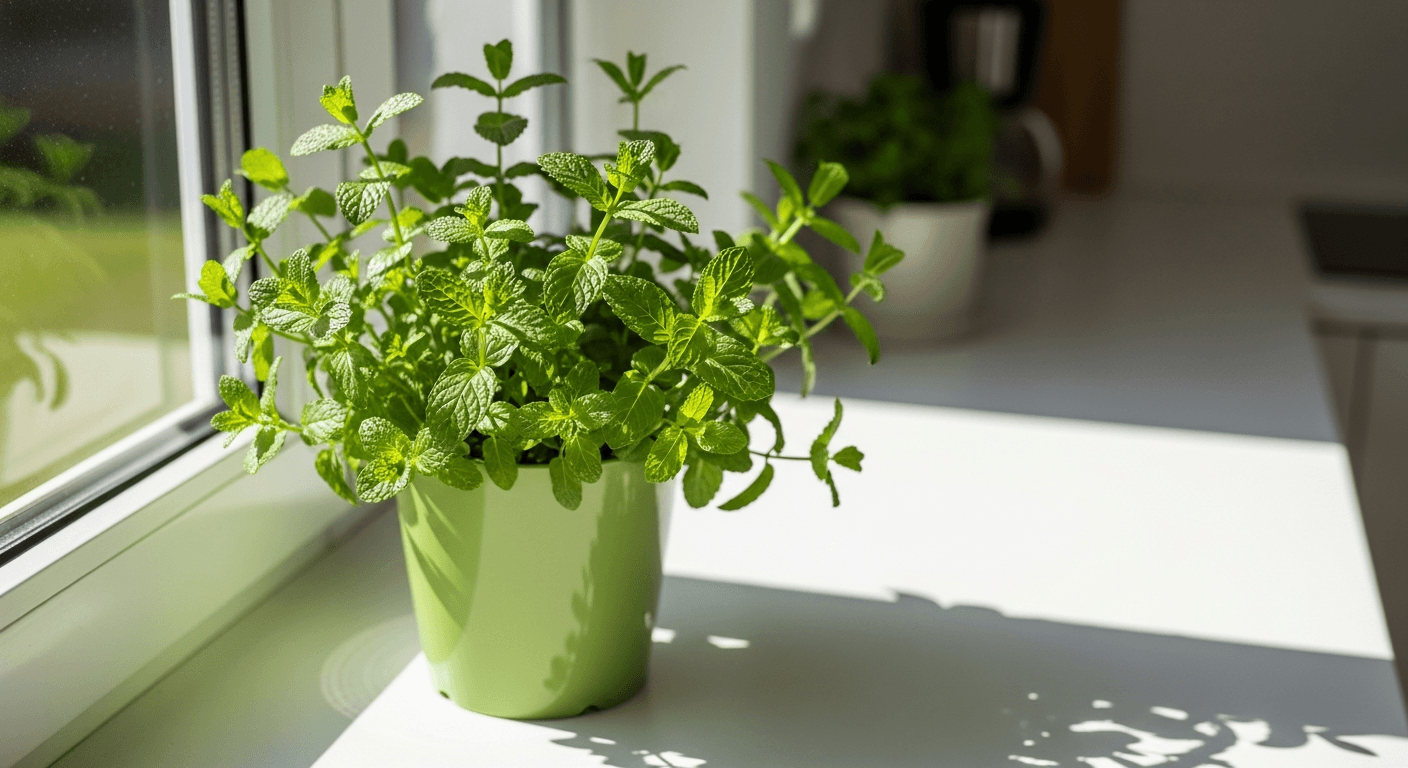
Mint in Pots: Grow It (Always Alone) Without It Taking Over
How to grow mint in pots: why to plant it alone, light, generous watering, harvesting, and how to stop its roots from invading your whole garden.
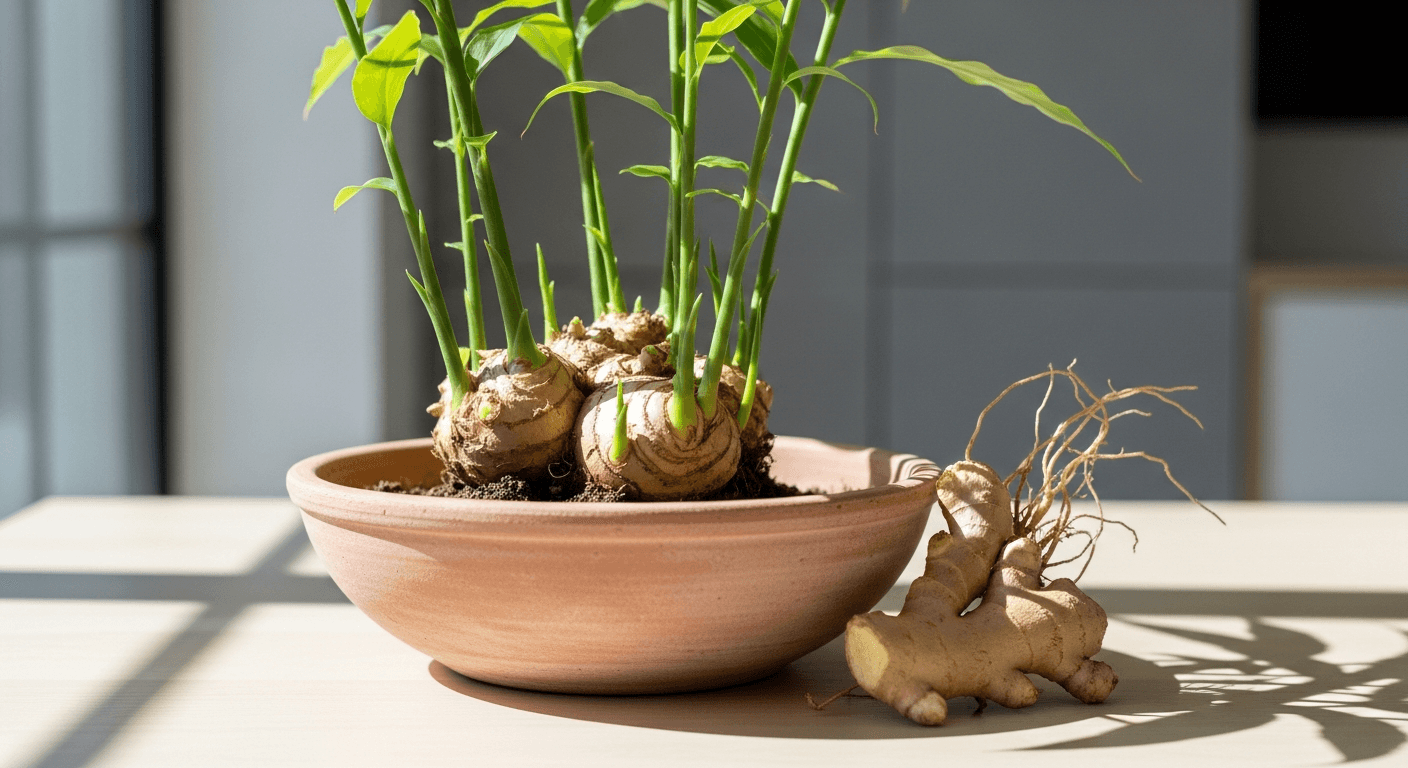
Ginger in Pots: Grow It at Home From a Rhizome
How to grow ginger in a pot from a piece of root: a wide pot, warmth, watering, light, and when to harvest the rhizome after several months.
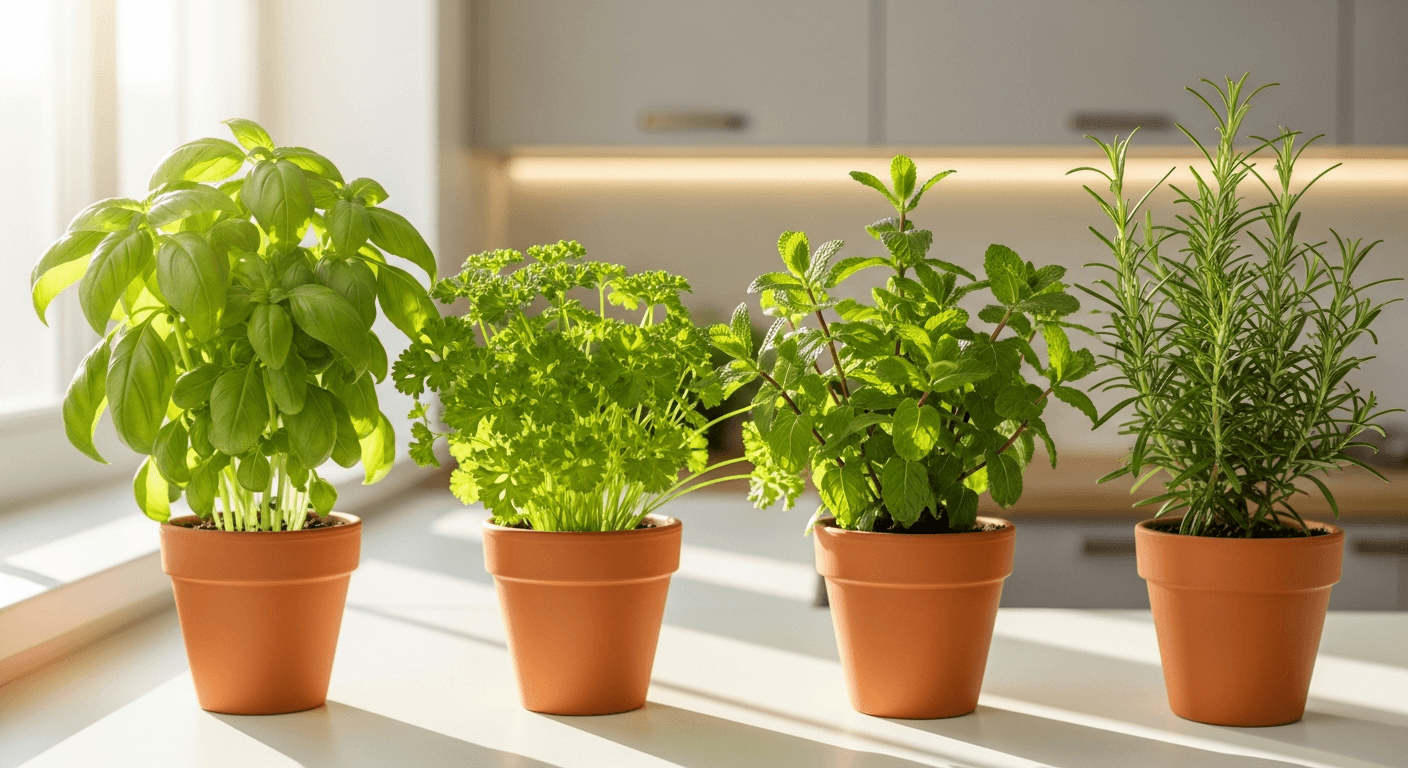
Herbs in Pots: The Easiest Garden to Start With
How to grow basil, parsley, mint, rosemary and more in pots or on your kitchen sill. Light, watering, when to harvest and tricks so they don't bolt or die.
Trouble with your plant?
AI diagnosis