Swiss Chard in Pots: The Most Rewarding Green All Year
A guide to growing Swiss chard in pots: pot size, sowing, cut-and-come-again harvesting, watering, and why it tolerates heat and cold. An easy balcony crop.
In this article
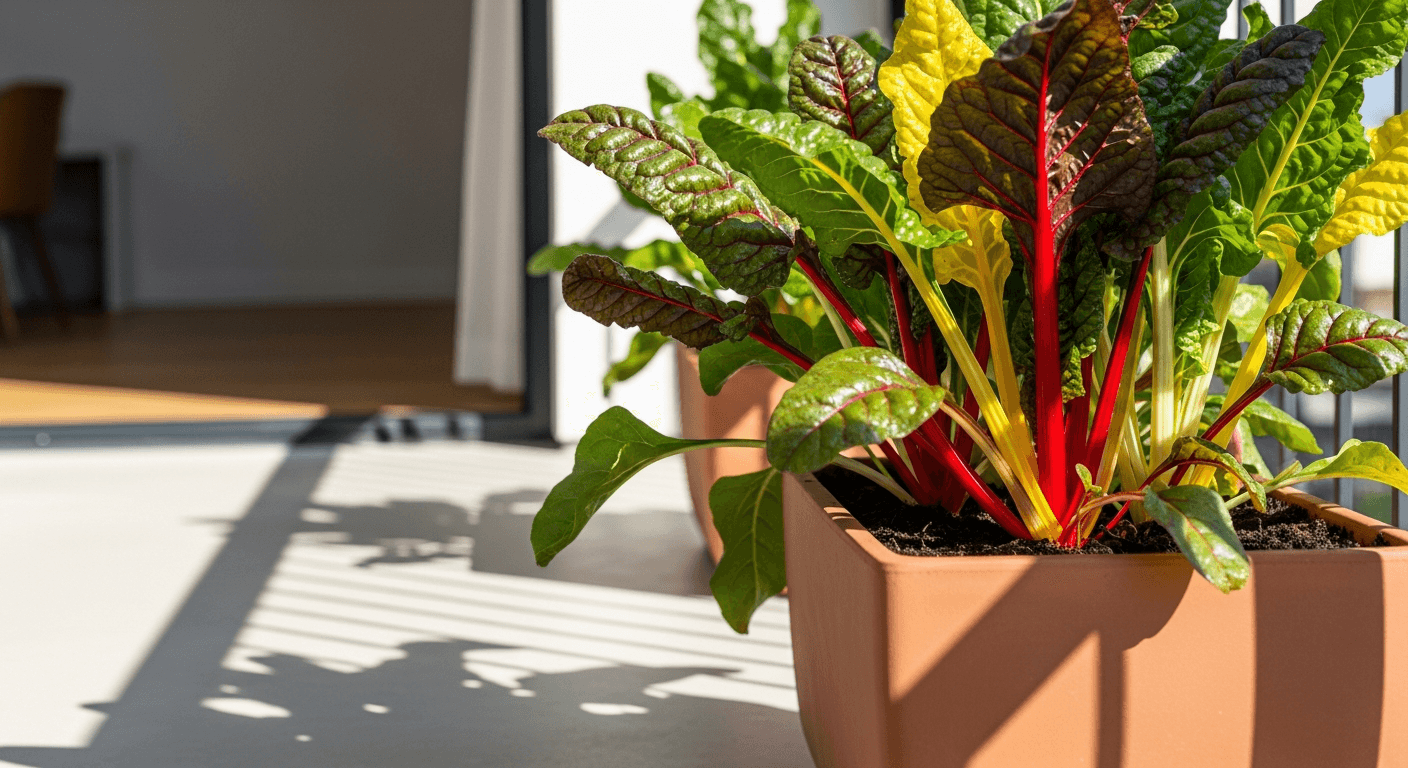
Swiss chard is probably the easiest, most rewarding leafy green you can grow in a pot. It's tough, decorative (the red- and yellow-stemmed varieties are gorgeous), and harvested cut-and-come-again for many months. It also tolerates both heat and mild cold, so it crops almost all year. Here's the complete guide.
| Fact | Swiss chard in pots |
|---|---|
| Pot depth | 8-10 inches |
| Sowing | Clusters; thin to the strongest |
| Light | Full sun or part shade |
| Watering | Steady (prevents tough leaves) |
| Harvest | Cut-and-come-again, for months |
| Bonus | Handles heat and mild cold |
Why it's perfect for pots
- Handles heat and cold: less fussy than lettuce or spinach, which bolt in heat.
- Long production: a single plant gives leaves for months.
- Decorative: "rainbow" chard has red, yellow and orange stems.
Is your plant looking off and you are not sure why?
Free AI diagnosisHow to grow it, point by point
Pot and soil
- Minimum depth: 8-10 inches; a deep planter is perfect.
- Leave about 10-12 inches between plants.
- Drainage is essential.
- Rich mix: potting soil with 20-30% compost or worm castings.
Sowing and planting
- Each chard "seed" is actually a cluster, so several seedlings come up together: thin to the strongest one.
- Sow about half an inch to an inch deep.
- It germinates in 1-2 weeks. You can also start from seedlings.
Light and watering
- Light: full sun or part shade. In summer, some midday shade keeps the leaves tender.
- Watering: keep the soil consistently moist. Chard has big leaves and drinks quite a bit; if it goes short of water the leaves turn tough and bitter.
- A mulch helps hold moisture.
Feeding
As a continually harvested leafy green, it appreciates nitrogen. Feed every 2-3 weeks with a balanced fertilizer, or refresh with compost mid-season. If you enjoy leafy greens, you may also like our spinach in pots guide.
Cut-and-come-again harvesting
This is the secret to making it last for months:
- Don't pull up the whole plant. Cut the outer leaves at the base with a knife or scissors, always leaving the central crown.
- The plant will resprout from the center again and again.
- Harvest when leaves are medium-sized; very large ones are more fibrous.
- Pick often to encourage tender new leaves.
Varieties and colors
Classic chard has wide white stems and dark green leaves, but the colored varieties are the stars of the balcony:
- Rainbow chard: a mix of red, yellow, orange and pink stems.
- Red-stemmed (ruby/rhubarb chard): very striking and a touch sweeter.
- White-stemmed: the most productive, with a mild flavor.
They're all grown the same way, so a planter of rainbow chard is as decorative as a flowering plant — and you get to eat it too. The colorful stems are not just pretty: chopped and cooked a little longer than the leaves, they add crunch and a mild, beet-like sweetness to stir-fries and gratins.
When to grow it
Chard is very flexible: you can sow in spring for a summer-autumn harvest, or in late summer for an autumn-winter one. In mild climates it overwinters and resprouts strongly in spring. Extreme heat can make it bolt (try to flower), at which point the leaves turn bitter; in summer it appreciates some midday shade.
If chard has gone well for you, the natural next step is another cut-and-come-again leaf: spinach for cool weather, kale to carry you through winter, or lettuce for salad almost year round.
Common pests and problems
- Aphids: on tender shoots; wash off with water and insecticidal soap.
- Slugs and snails: attack the leaves in damp weather.
- Leaf miner: leaves whitish tunnels inside the leaf; remove affected leaves.
- Yellow leaves: usually overwatering or a nitrogen shortage.
Common mistakes
- Shallow pot → small plant and few leaves.
- Erratic watering → tough, bitter leaves.
- Pulling the whole plant → you lose months of harvest.
- Not thinning seedlings → crowded, weak plants.
Does your chard have yellow leaves, spots or odd tunnels? Upload a photo to our AI diagnosis and we'll help you figure out what's wrong. 🌿
Related articles
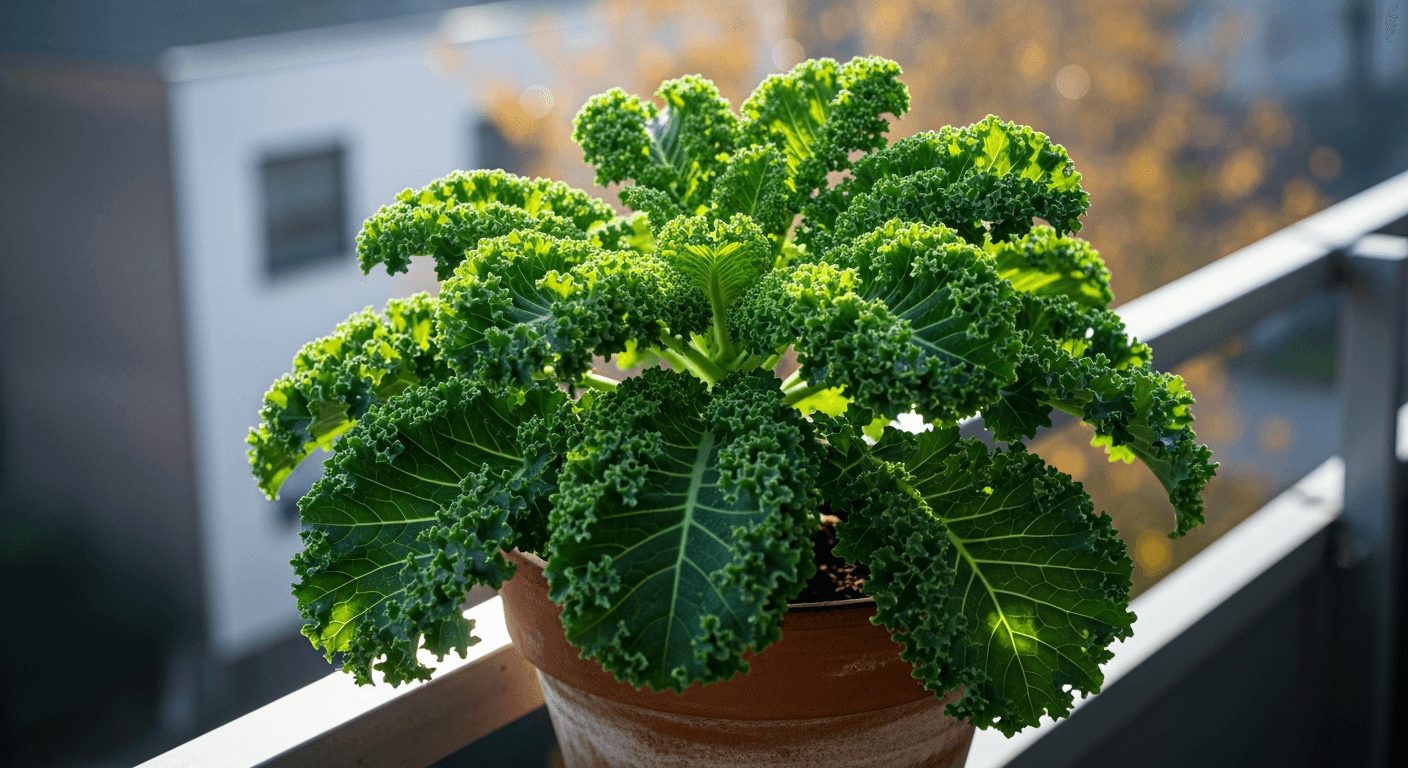
How to Grow Kale in Pots
A guide to growing kale in pots: pot size, sowing, harvesting leaf by leaf for months, and why frost makes it sweeter. An easy cool-season crop for balconies.
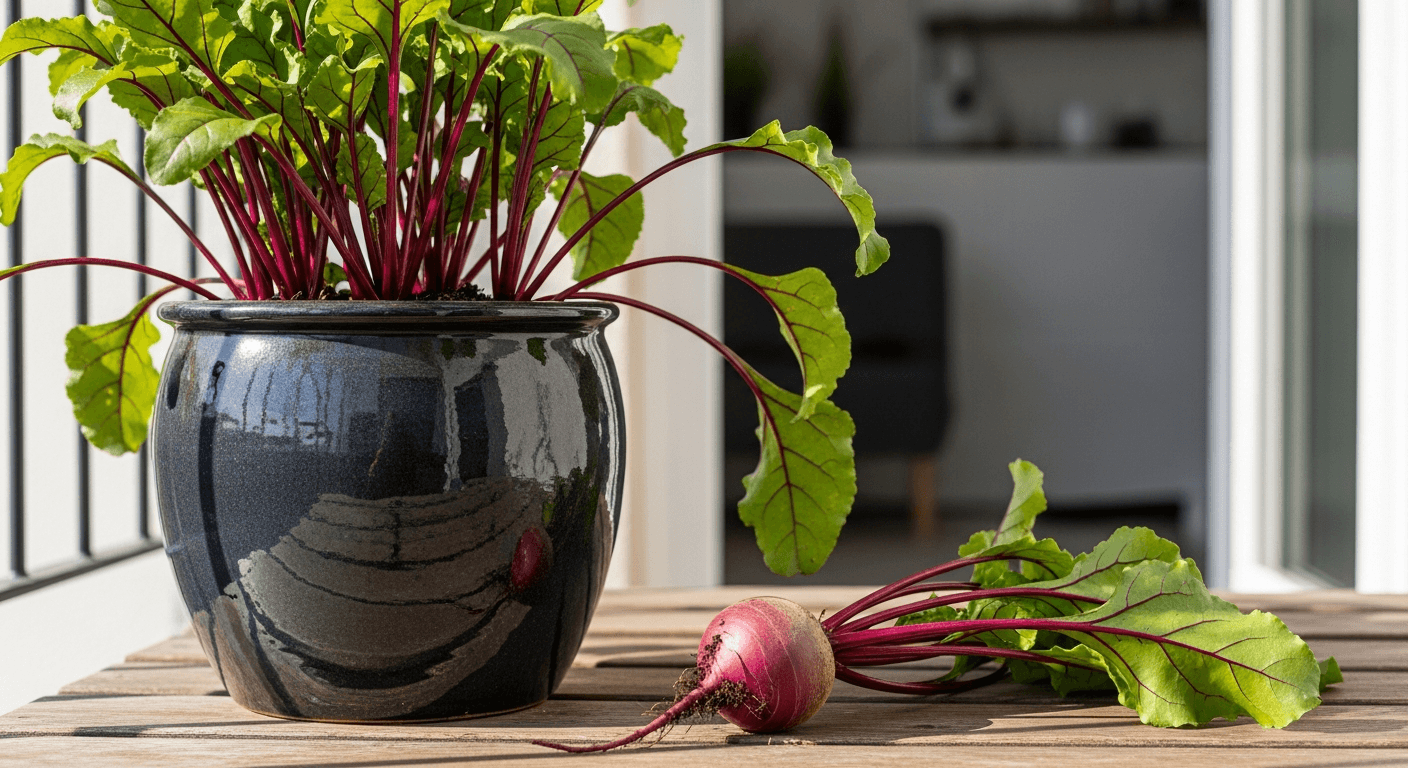
How to Grow Beets in Pots (Roots and Leaves)
Grow beetroot in pots: pot depth, thinning seedlings, steady watering and harvest. Discover that the leaves are edible too and absolutely delicious.
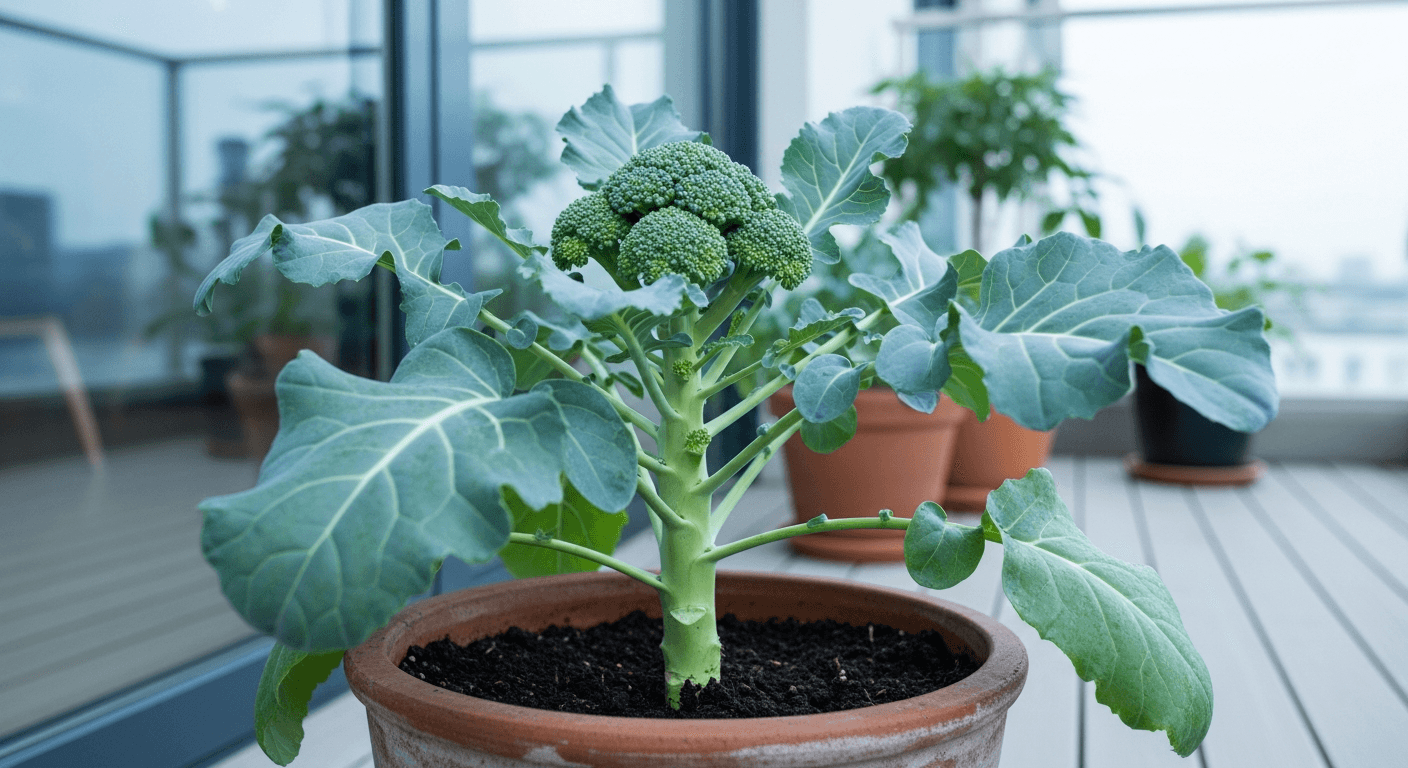
How to Grow Broccoli in Pots Step by Step
Grow broccoli in pots: a cool-season crop, a deep pot, sun, watering and harvesting the central head plus side shoots. Avoid the common pests and mistakes.
Trouble with your plant?
AI diagnosis