Leaves Eaten Overnight: How to Control Caterpillars
Caterpillars eating garden leaves: how to spot the holes and droppings, handpick them, and treat with Bacillus thuringiensis (Bt) without harsh chemicals.
In this article
Two things work against caterpillars, used together: checking the leaf undersides at dusk and picking them off by hand, and Bacillus thuringiensis (Bt) sprayed on the leaves — a natural bacterium harmless to people, pets and bees that affects only caterpillars. The giveaway is the droppings: small black or green pellets on the leaves and soil, even when you cannot see the pest, because they feed at night and match the leaf colour.
Identification and the plants affected
How to identify them
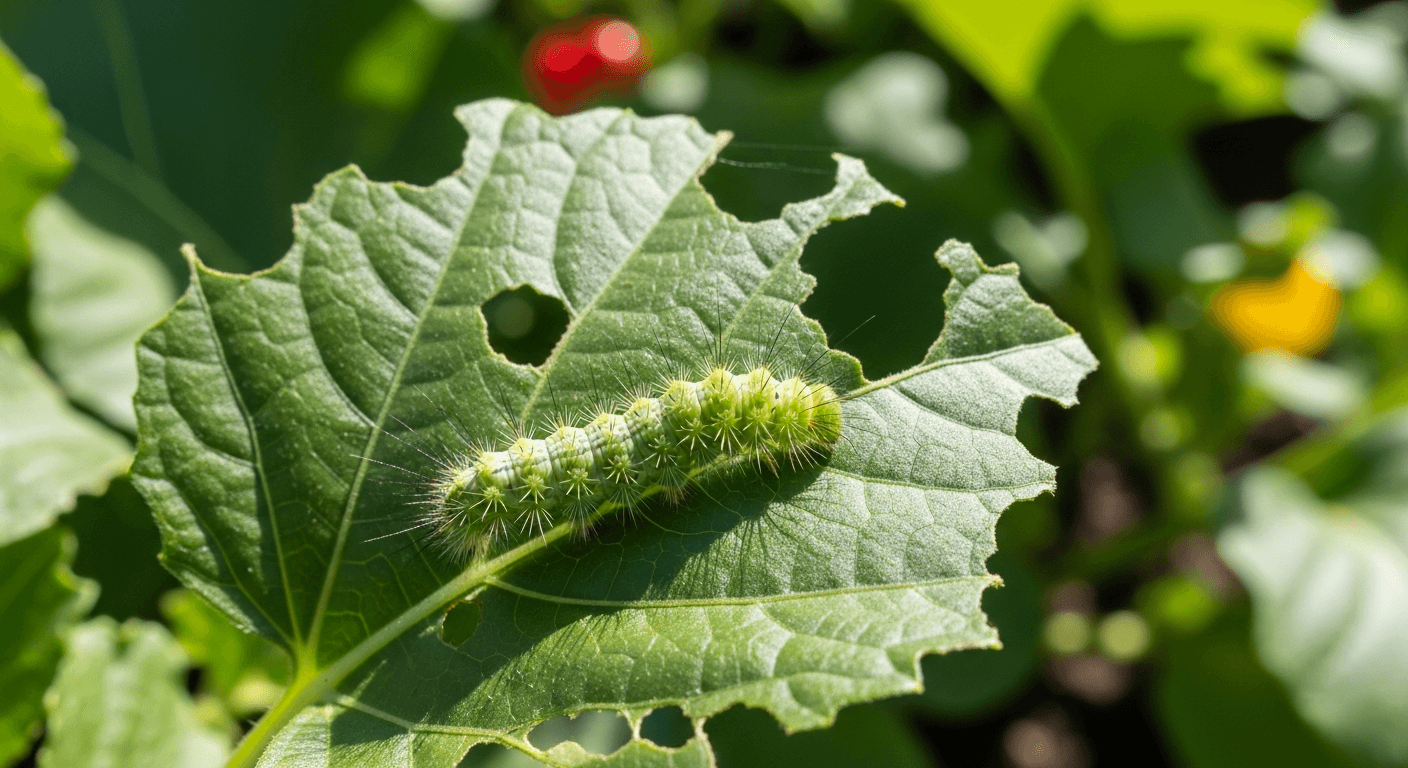
Caterpillars are sneaky because they mostly feed at night and camouflage well, often the same green as the leaf. Look for these signs:
- Irregular holes in the leaves, or chewed edges.
- Whole leaves devoured, leaving only the veins.
- Droppings (small black or green pellets) on the leaves and soil.
- The caterpillar itself, hiding on the undersides of leaves or near the veins.
The trail of droppings gives them away even when you can't see the caterpillar: look on the leaves directly above it.
Is your plant looking off and you are not sure why?
Free AI diagnosisThe plants they hit most
In the home garden they're typical on cabbages, broccoli, lettuce, tomatoes, parsley and chard. Some caterpillars are very specific: the cabbage white butterfly's larvae or the tomato hornworm can do a lot of damage in just a few days.
Treatment step by step
- Inspect and handpick. This is the most effective method in pots and small gardens. Check leaf undersides, especially at dusk, and remove them with gloves. Drop them far away (not at the base of the plant).
- Find and crush the eggs. They're usually in yellowish clusters on the undersides. Removing them stops the next wave.
- Bacillus thuringiensis (Bt). This is the star solution: a natural bacterium, harmless to people, pets, bees and other insects, that only affects caterpillars. You spray it on the leaves and, once they eat it, they stop feeding and die within a few days. Reapply after rain or overhead watering.
- Keep checking every few days until no new bite marks appear.
Bt only works if the caterpillar eats the treated leaf, so spray both the top and undersides well, and reapply if it rains.
Prevention
- Inspect regularly, especially the undersides of leaves.
- Insect netting over brassicas stops butterflies from laying eggs.
- Encourage their predators: birds, parasitic wasps and other beneficial insects keep caterpillars in check.
- Nearby aromatic plants (thyme, sage, mint) can help confuse the butterflies.
The cycle: why they come back every year
Understanding the cycle helps you break it. The adult butterfly or moth lays eggs on the undersides of leaves; these hatch into caterpillars that eat constantly to grow; they then form a chrysalis and emerge as adults that lay eggs again. In summer this cycle can run its course in just a few weeks, which is why an infestation multiplies so fast if you don't act. Some species overwinter as a chrysalis in the soil or among plant debris, ready to start again in spring. That's why clearing garden debris at the end of the season and checking early in spring matter as much as treating the caterpillars you can already see.
On a balcony garden the brassicas suffer most: kale and arugula are their favorite targets. Fine insect mesh stops the butterfly laying in the first place, and neem oil helps with newly hatched caterpillars.
Don't confuse them with other pests
Holes in leaves are also made by slugs and snails, but those leave a silvery slime trail and prefer low, ground-level plants, whereas caterpillars leave droppings and climb all over the plant.
Not sure what's eating your leaves? Take a photo of the damage (and the droppings) and upload it to our AI diagnosis tool to confirm the pest before you treat.
Do you always have to get rid of them?
Not necessarily. A couple of caterpillars in a large garden are part of the natural balance and will turn into pollinating butterflies. Step in when the damage is serious or when it's a crop you want to harvest. In those cases, the combination of handpicking and Bacillus thuringiensis controls the pest without harsh chemicals.
Related articles
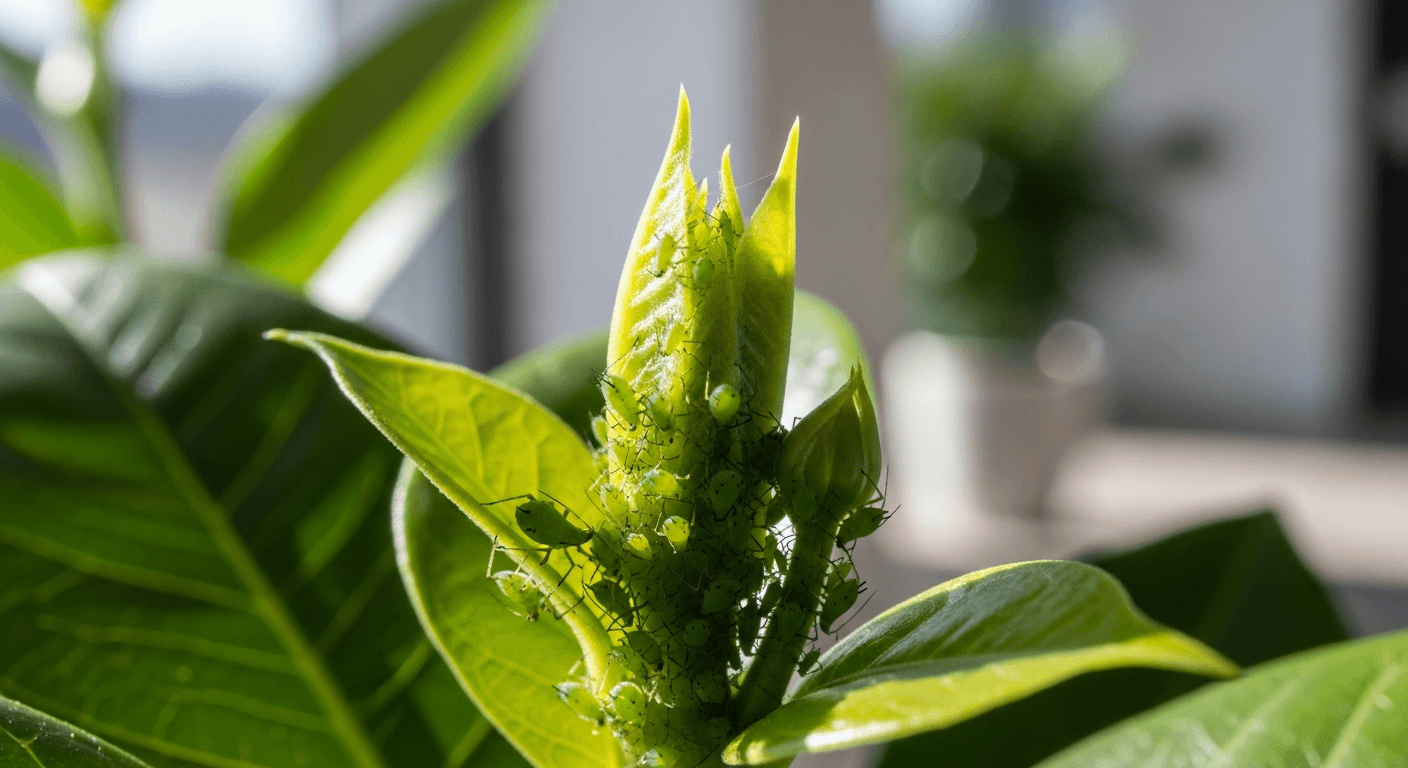
Aphids: How to Get Rid of Them With Easy Remedies
Aphids breed at lightning speed on new shoots and buds. Learn to identify them, clear them with water, soap and natural remedies, and prevent a comeback.
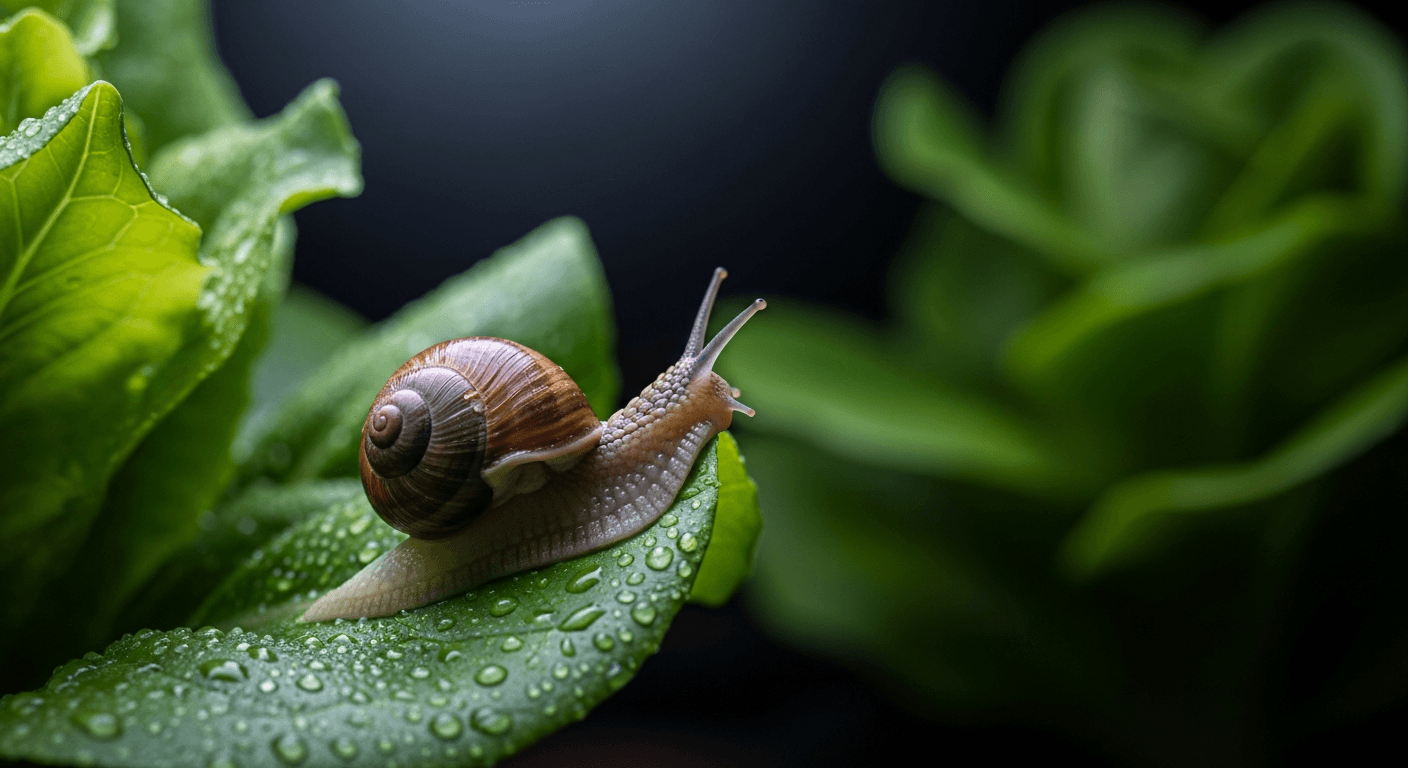
Slugs and Snails: How to Protect Your Garden Without Chemicals
Slugs and snails devour seedlings and leaves at night. Learn to spot them by their trail and control them with barriers, beer traps and natural methods.
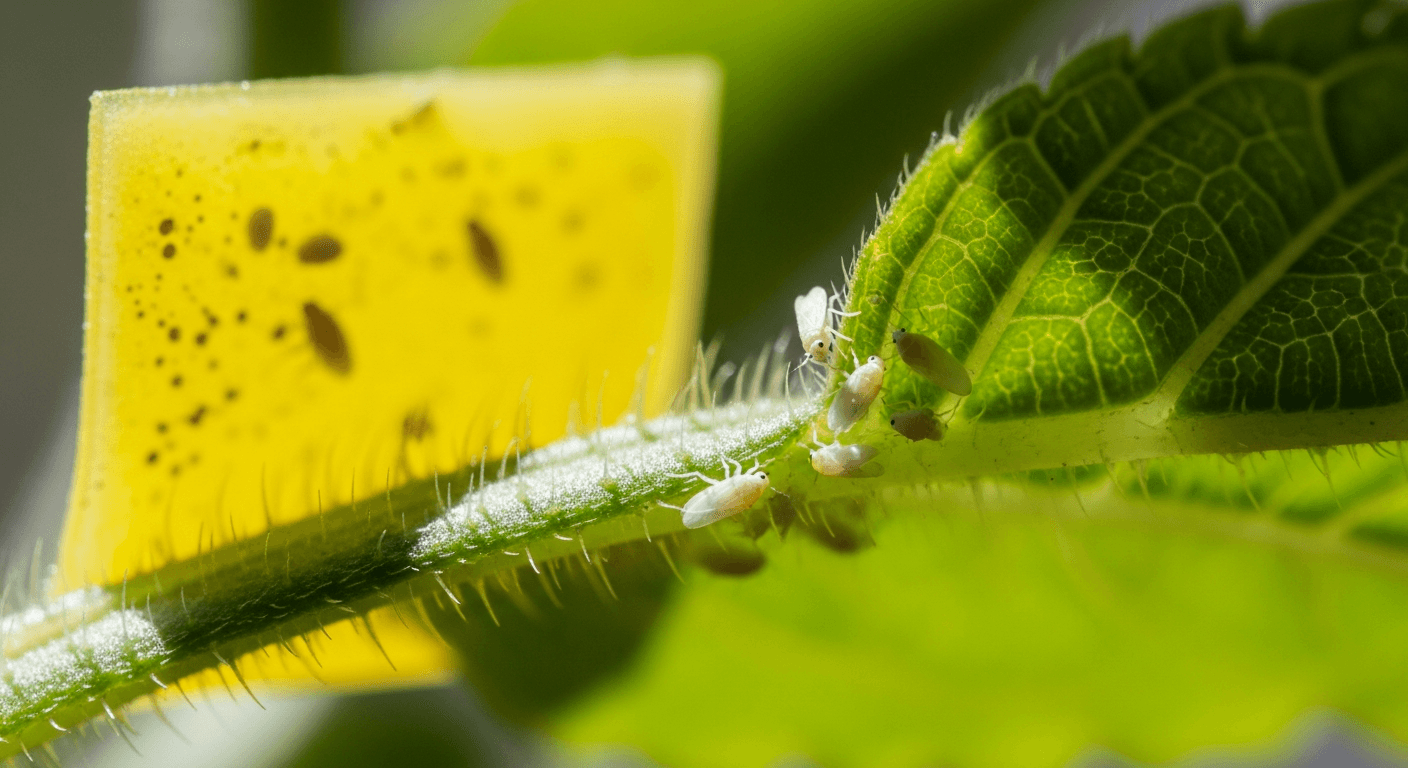
Whitefly: How to Clear the White Cloud From Your Plants
If tiny white flies take off when you move the plant, it's whitefly. Learn to identify and eliminate it with yellow traps, soap and persistence.
Trouble with your plant?
AI diagnosis