Orange Pustules on Leaf Undersides: How to Stop Rust
Rust is a fungus that forms orange or brown pustules on the undersides of leaves. Learn to identify it, remove affected parts, treat it and prevent it.
In this article
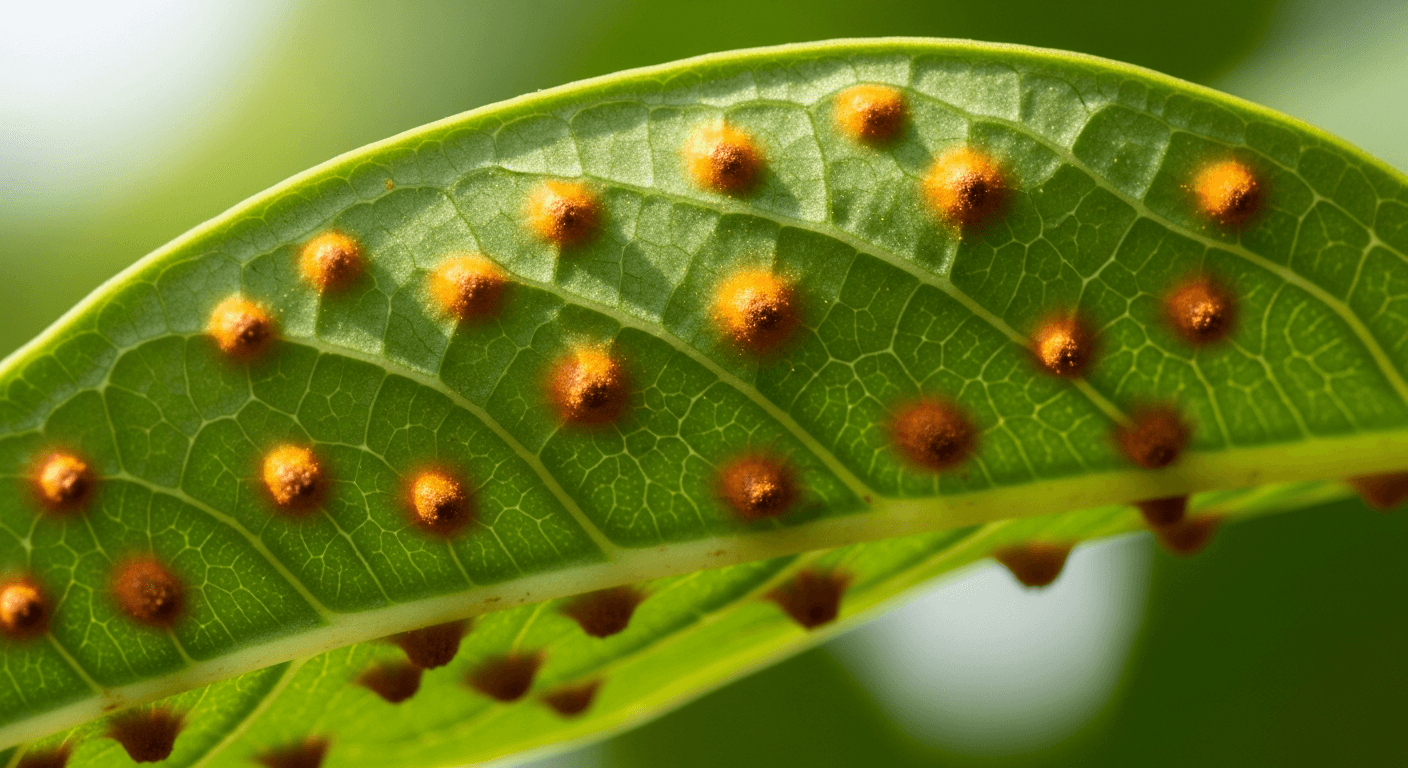
Rust cannot be cured on a leaf that already has pustules: the goal of treatment is to stop it reaching the rest. So the first step is to remove and bin every leaf with pustules (never the compost), and only then spray copper or sulfur, covering the undersides well, every 7-10 days. It is recognisable by an unmistakable combination: diffuse yellow dots on the upper surface and powdery orange pustules underneath.
Identifying it and why it appears
How to identify it
- Pustules or specks of orange, yellow, brown or near-black color, mostly on the undersides of leaves.
- On the top surface, right above them, you'll usually see diffuse yellow spots.
- When you rub them, they release a powder of spores that sticks to your finger.
- Over time, the leaf yellows, dries and drops.
This combination — yellow dots on top, powdery pustules underneath — is rust's unmistakable signature and sets it apart from plain leaf spot.
Is your plant looking off and you are not sure why?
Free AI diagnosisWhy it appears
Rust needs moisture and wet leaves to germinate:
- Overhead watering or wetting the leaves when you water.
- High ambient humidity with poor airflow.
- Nighttime dew and crowded plants.
- Damp, mild springs and falls are its favorite season.
Step-by-step treatment
- Remove and bin every leaf with pustules (trash, never the compost): each pustule is a spore factory.
- Don't wet the leaves: switch to watering at the base.
- Improve airflow by spacing plants out and, if you can, moving them somewhere breezier.
- Spray a fungicide, covering the undersides well:
- Copper or sulfur (classic fungicides effective against rust).
- For mild cases, baking soda (1 teaspoon per quart of water + a few drops of soap) helps slow it down.
- Repeat every 7–10 days until no new pustules appear.
Rust can't be cured on a leaf that's already affected: the goal is to stop it spreading to the healthy leaves. That's why removing the diseased parts is the first step, not the last.
How to prevent it
- Always water the base, in the morning, so the leaves dry quickly.
- Don't crowd plants: let air circulate between them.
- Choose resistant varieties in the garden (garlic, beans and roses have less susceptible types).
- Remove fallen leaves from the soil surface, where the fungus overwinters.
- Avoid excess nitrogen, which produces soft, more vulnerable new growth.
Rust in the garden
In the urban garden, rust is typical on garlic, leeks, beans, chard and mint. It cuts the harvest and weakens the plant, though it rarely kills it outright. The keys are the same: rotate crops, don't wet the leaves and remove affected parts as soon as they show. On garlic, for example, an early rust can bring the harvest forward because the leaves dry out ahead of time.
On a balcony you'll see it mostly on green beans and garlic, and among ornamentals on the geranium. In every case the common factor is leaves staying wet for hours, so water at the base and never overhead.
The rust cycle: why it keeps returning
Rust is a highly specialized, persistent fungus. Its spores mature inside the pustules and spread on the wind and in water splashes, infecting new leaves as soon as they find a film of moisture. Some rusts even overwinter in plant debris or on evergreen leaves, ready to reactivate the next damp spring. This explains two things: why it reappears year after year on the same plant, and why fall cleanup (removing fallen leaves and debris) matters as much as the treatment itself. Breaking the cycle means leaving no infected tissue from one season to the next.
Does it kill the plant?
Rarely on its own, but a heavy, repeated infection exhausts the plant, reduces flowering and yield, and leaves it open to other problems. Caught early and paired with good airflow, it's well controlled.
Not sure whether those spots are rust, mildew or something else? Take a photo of the undersides and upload it to the AI diagnosis to confirm before you treat.
Related articles
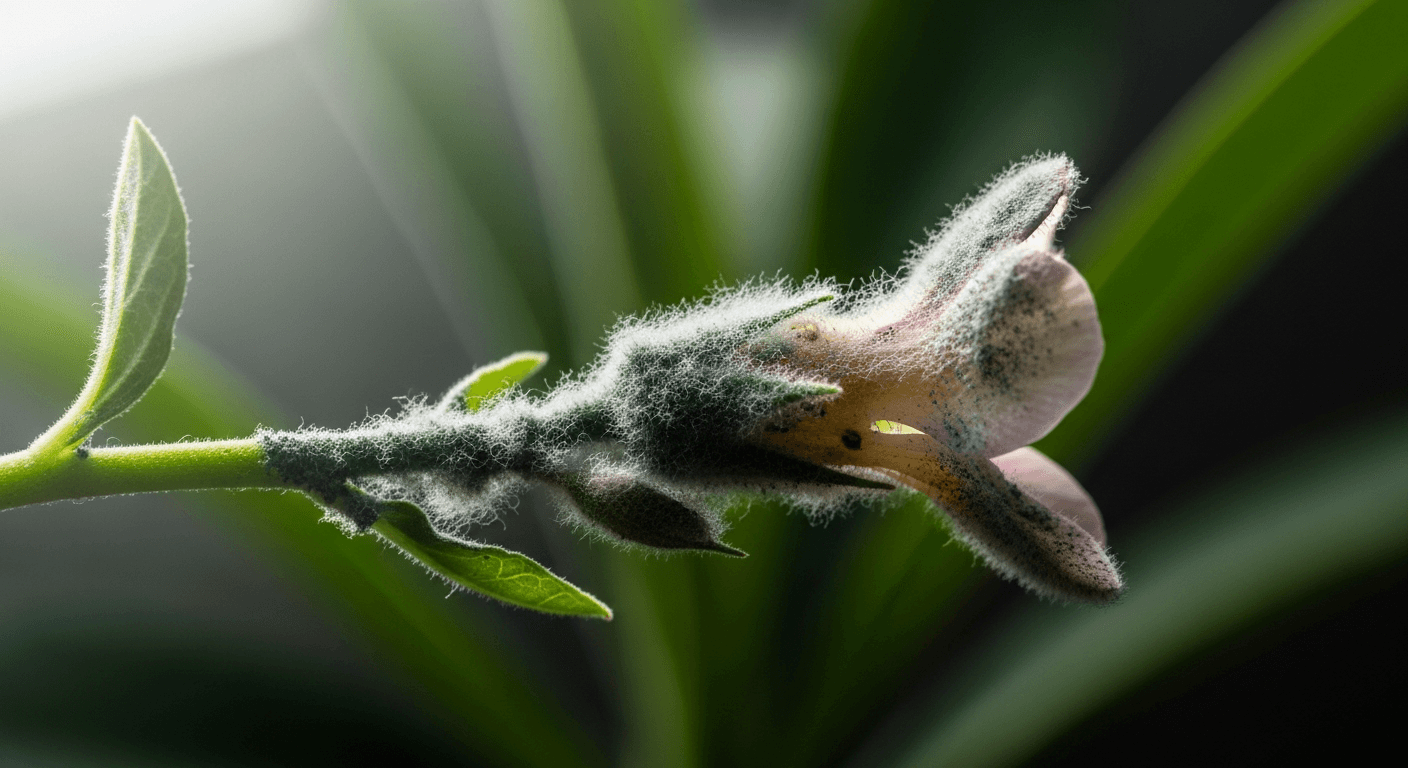
Gray Mold (Botrytis): How to Identify and Get Rid of It
Gray mold or botrytis is a fuzzy fungus that rots leaves, flowers and stems. Learn to identify it, remove the affected parts, treat it and prevent it.
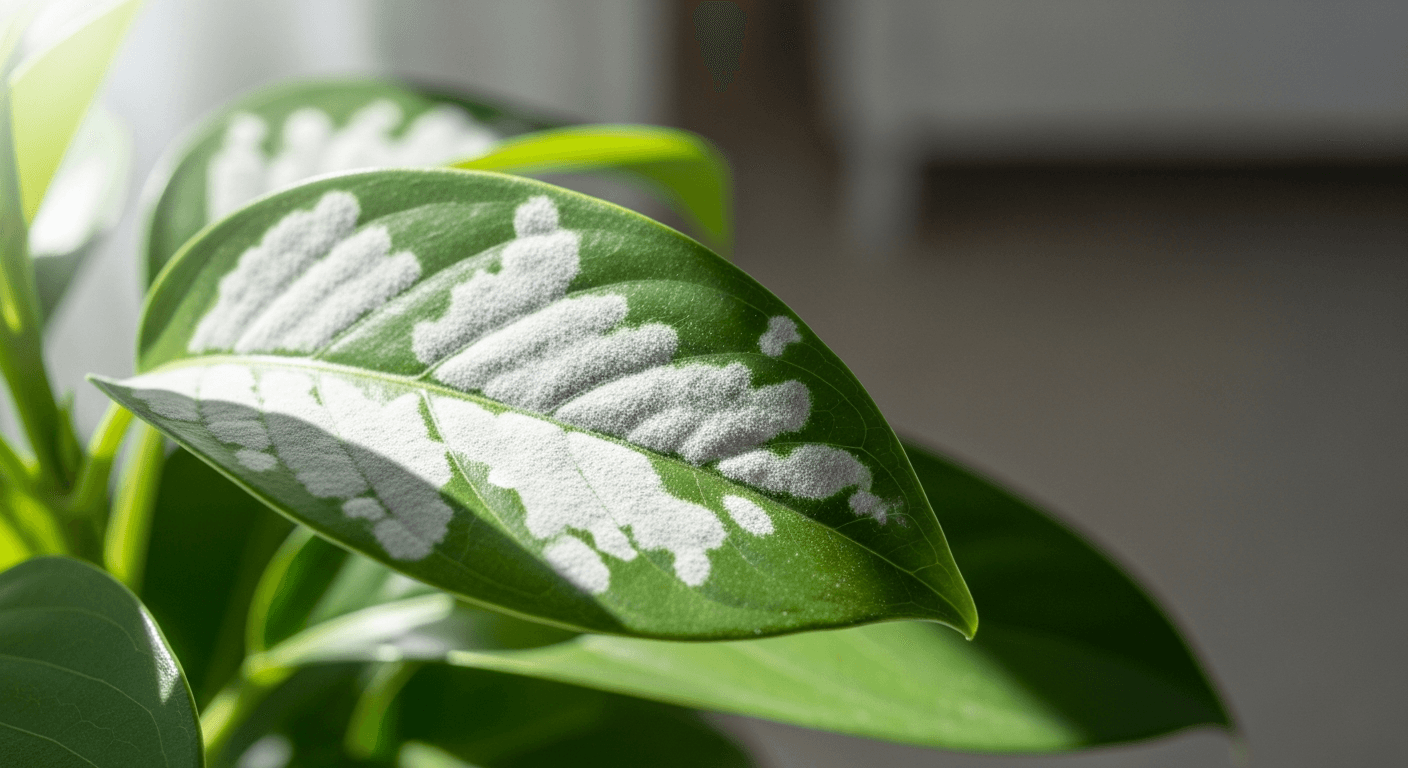
Powdery Mildew: The White Dust on Leaves and How to Remove It
Powdery mildew is that flour-like white dust on leaves. Learn to identify it, treat it with home and garden remedies, and prevent it with good airflow.
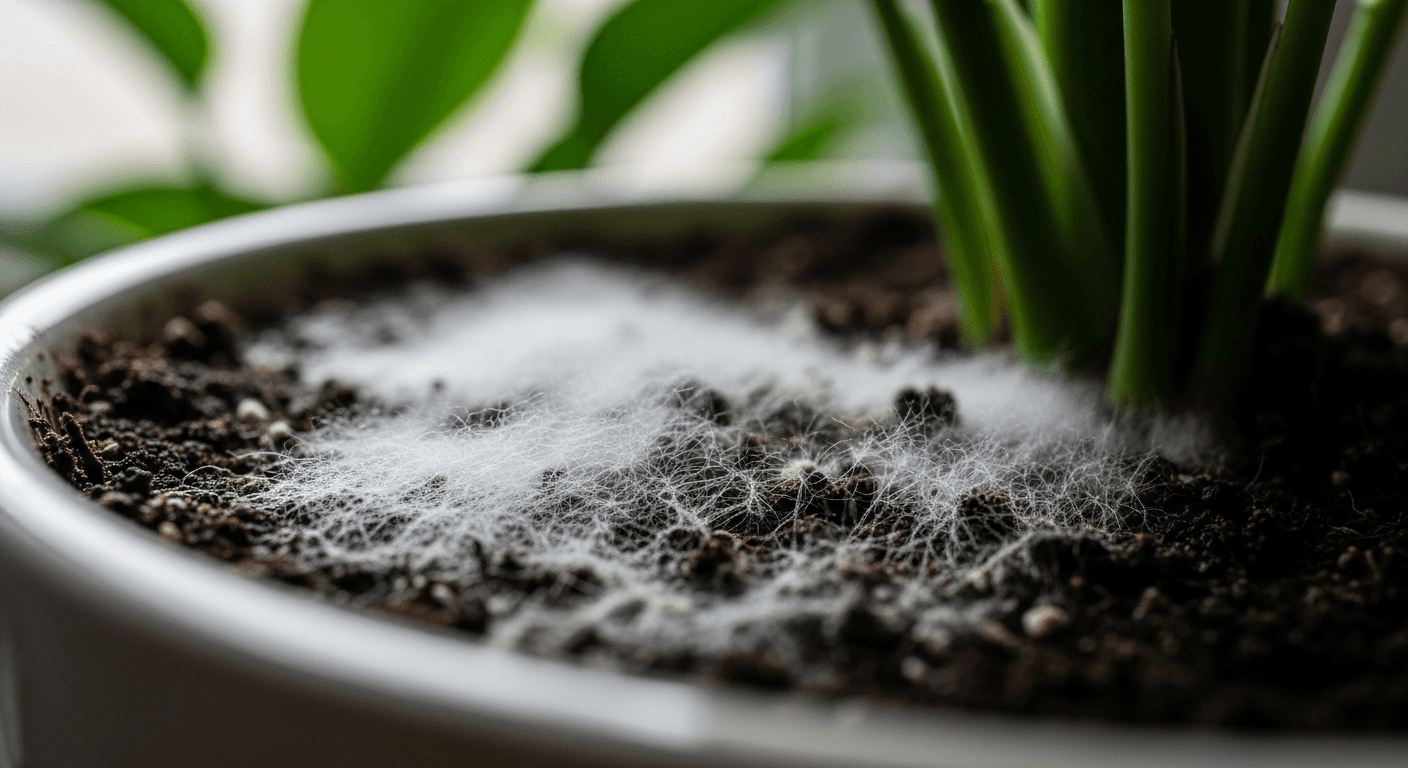
White Mold on Soil: Why It Appears and How to Remove It
That white, fuzzy mold on potting soil is a harmless fungus caused by moisture. Learn why it appears, how to remove it, and how to prevent it coming back.
Trouble with your plant?
AI diagnosis