White Fuzzy Layer on the Soil: What It Is and What to Do
That white, fuzzy mold on potting soil is a harmless fungus caused by moisture. Learn why it appears, how to remove it, and how to prevent it coming back.
In this article
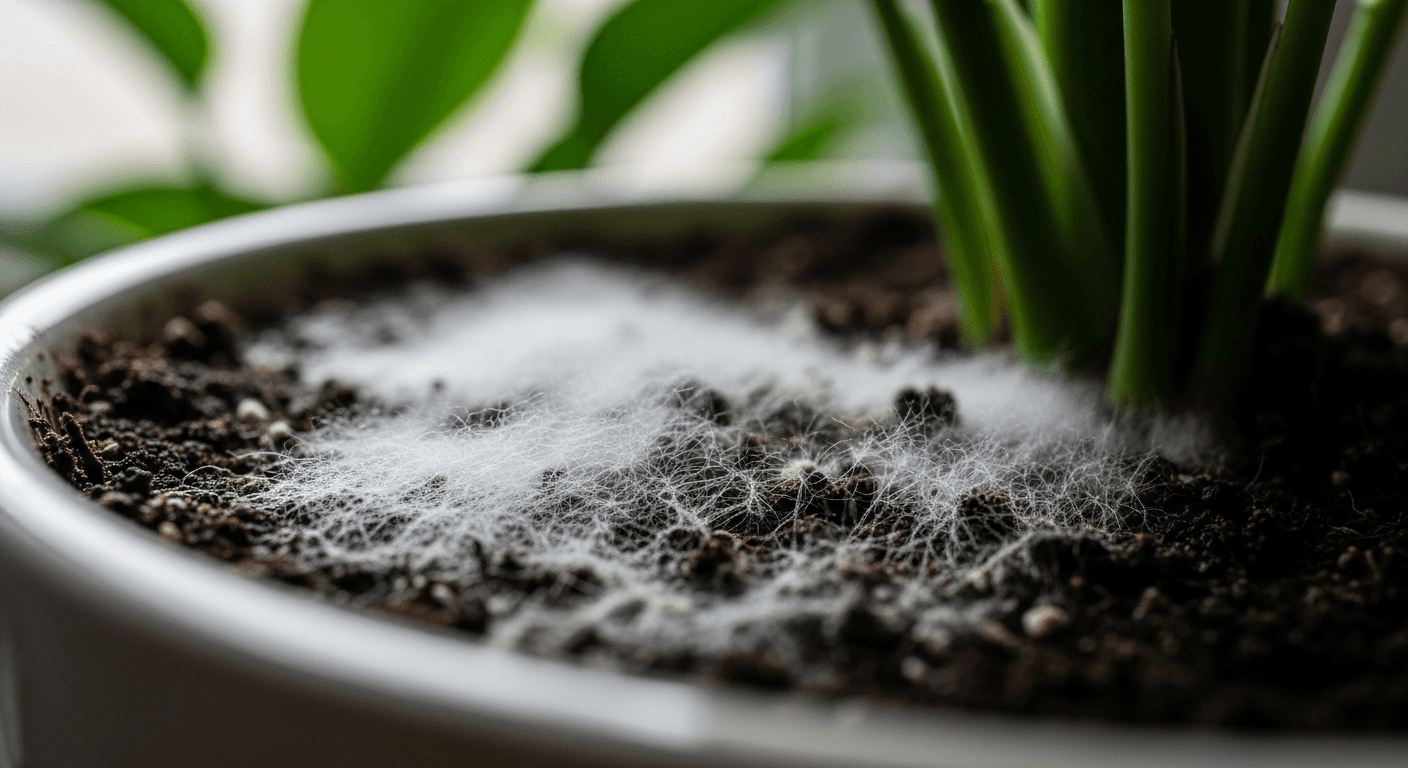
That white, fuzzy layer is a harmless saprophytic fungus: it feeds on decomposing organic matter, not on the roots or the leaves. There is no need to panic or bin the plant. What it does tell you is that the soil has been damp for too long and the pot needs more airflow. You clear it by scooping off the top inch of soil and fixing the watering.
What it actually is
That white mold is soil fungi feeding on decomposing organic matter (soil debris, coco coir, peat). It shows up when three conditions come together:
- Excess moisture on the soil surface.
- Poor airflow around the pot.
- Plenty of organic matter to feed on.
It doesn't attack the roots or healthy leaves. It's mostly a sign that the soil has been too wet for too long.
Is your plant looking off and you are not sure why?
Free AI diagnosisIs it dangerous?
For the plant, practically not. For most people, not either. Take some care if anyone at home is allergic or immunocompromised, since the spores disperse into the air. In that case, remove the mold with a mask on and outdoors.
White mold is a messenger, not a killer: it's telling you "you're overwatering or under-ventilating."
Removing it and keeping it away
How to remove it
- Scoop off the visible layer. With a spoon, lift the top inch of moldy soil and bin it (not back into the same pot).
- Let the surface dry. Don't water until the top inch or two is thoroughly dry.
- Add airflow and light. Move the plant somewhere brighter and breezier for a few days; gentle sun inhibits the fungus.
- If it returns, dust on a little ground cinnamon (a mild natural fungicide) or, in stubborn cases, replace the soil.
How to prevent it
The key is to break those three conditions:
- Water only when due. Check with your finger that the top inch is dry before watering again.
- Water from below occasionally so the surface stays drier.
- Improve airflow: don't crowd pots together and open windows often.
- Empty the saucer of excess water after watering.
- Use quality soil and add a thin layer of grit or sand on top so it dries faster.
It almost always turns up alongside two other symptoms of the same excess moisture: fungus gnats and, if it carries on, root rot. Spacing your watering with the method in the watering guide cuts all three off at the source.
Don't confuse it with other things
- Hard white crust, like salt: these are lime and mineral deposits from the water, not mold. Harmless.
- Round white balls: usually perlite in the soil, perfectly normal.
- Gray, hairy mold on leaves or stems: that one is a concern (botrytis); act fast.
If you're not sure whether it's mold, lime or a pest, upload a photo to our AI diagnosis and you'll identify it instantly.
White mold on soil is rarely serious. Adjust your watering, ventilate more and keep the surface dry: it will disappear and stay gone. And if you suspect the overwatering went further, read up on how to spot root rot.
Related articles
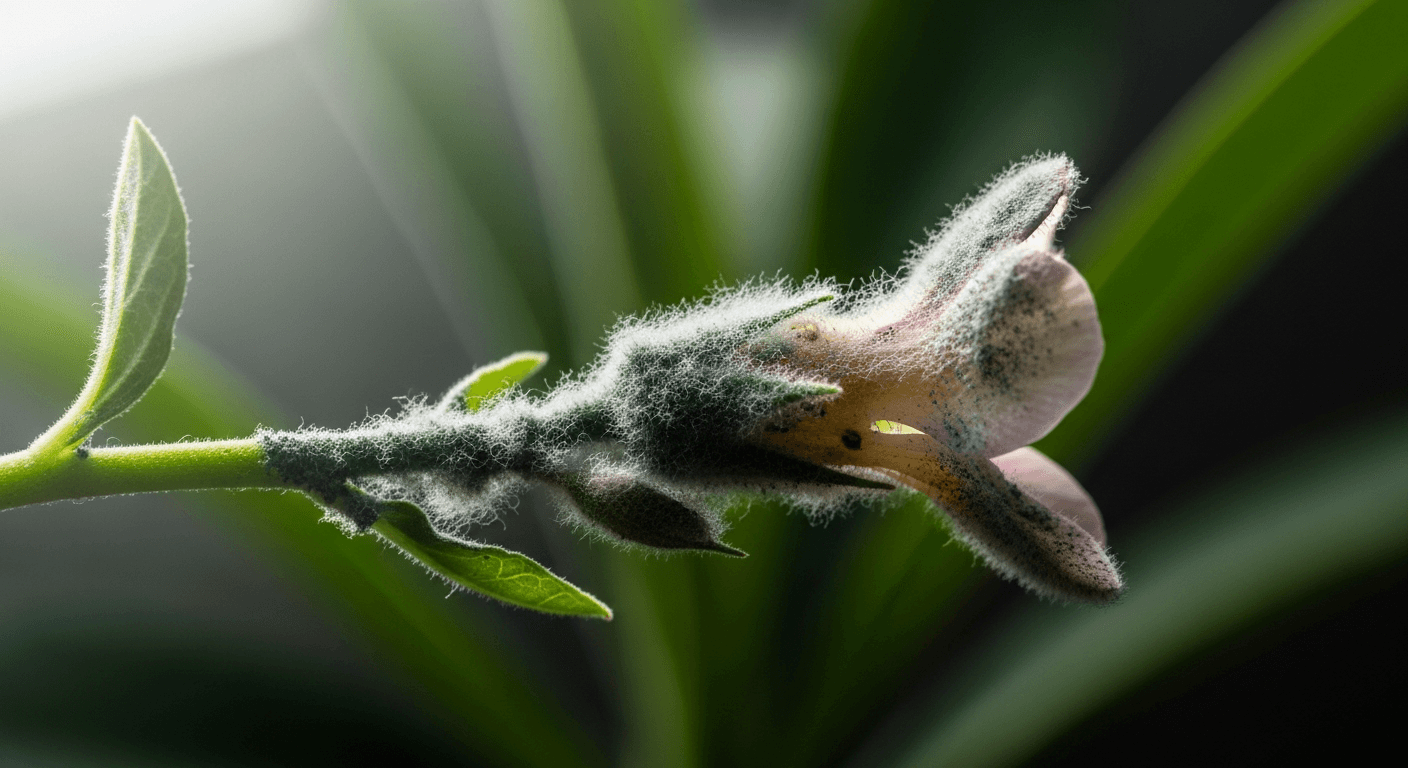
Gray Mold (Botrytis): How to Identify and Get Rid of It
Gray mold or botrytis is a fuzzy fungus that rots leaves, flowers and stems. Learn to identify it, remove the affected parts, treat it and prevent it.
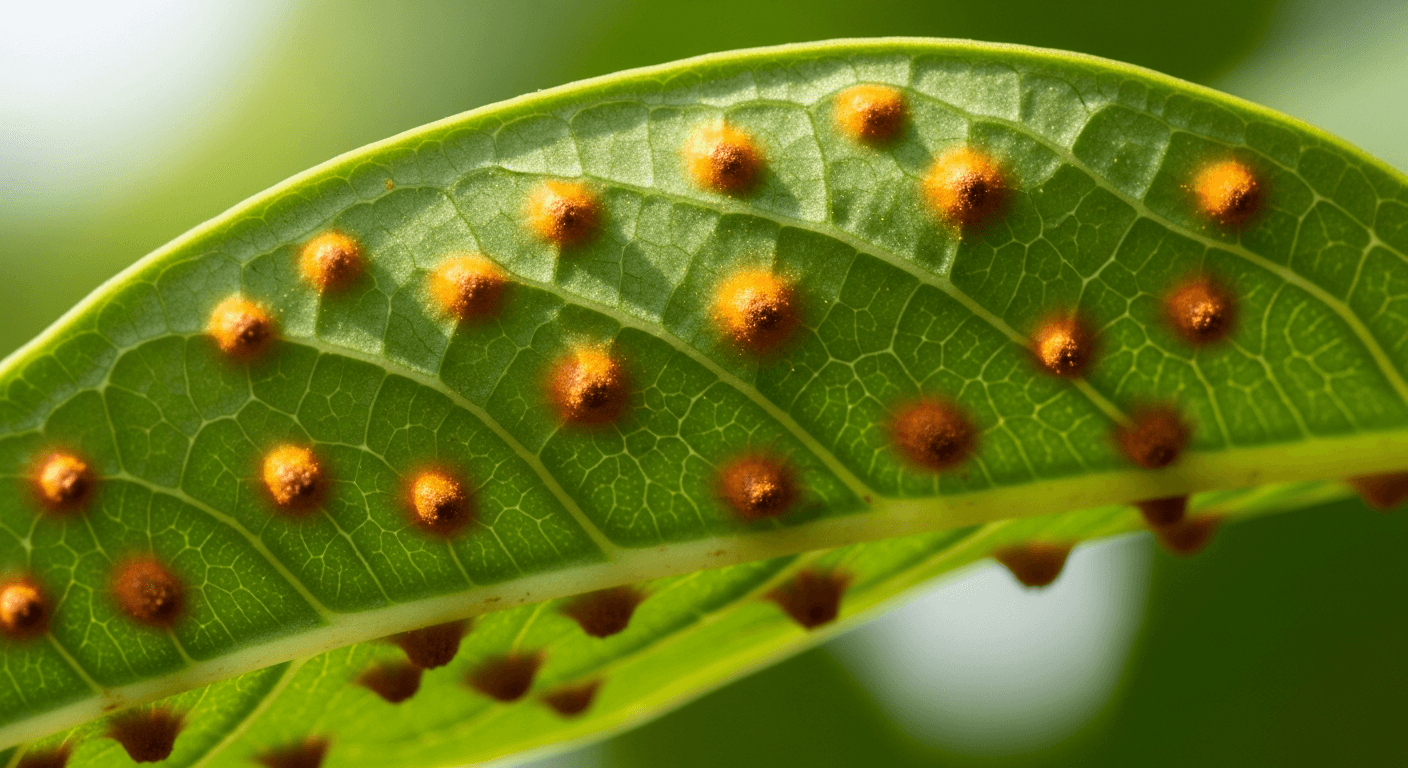
Rust Disease: The Orange Pustules on Leaves and How to Treat It
Rust is a fungus that forms orange or brown pustules on the undersides of leaves. Learn to identify it, remove affected parts, treat it and prevent it.
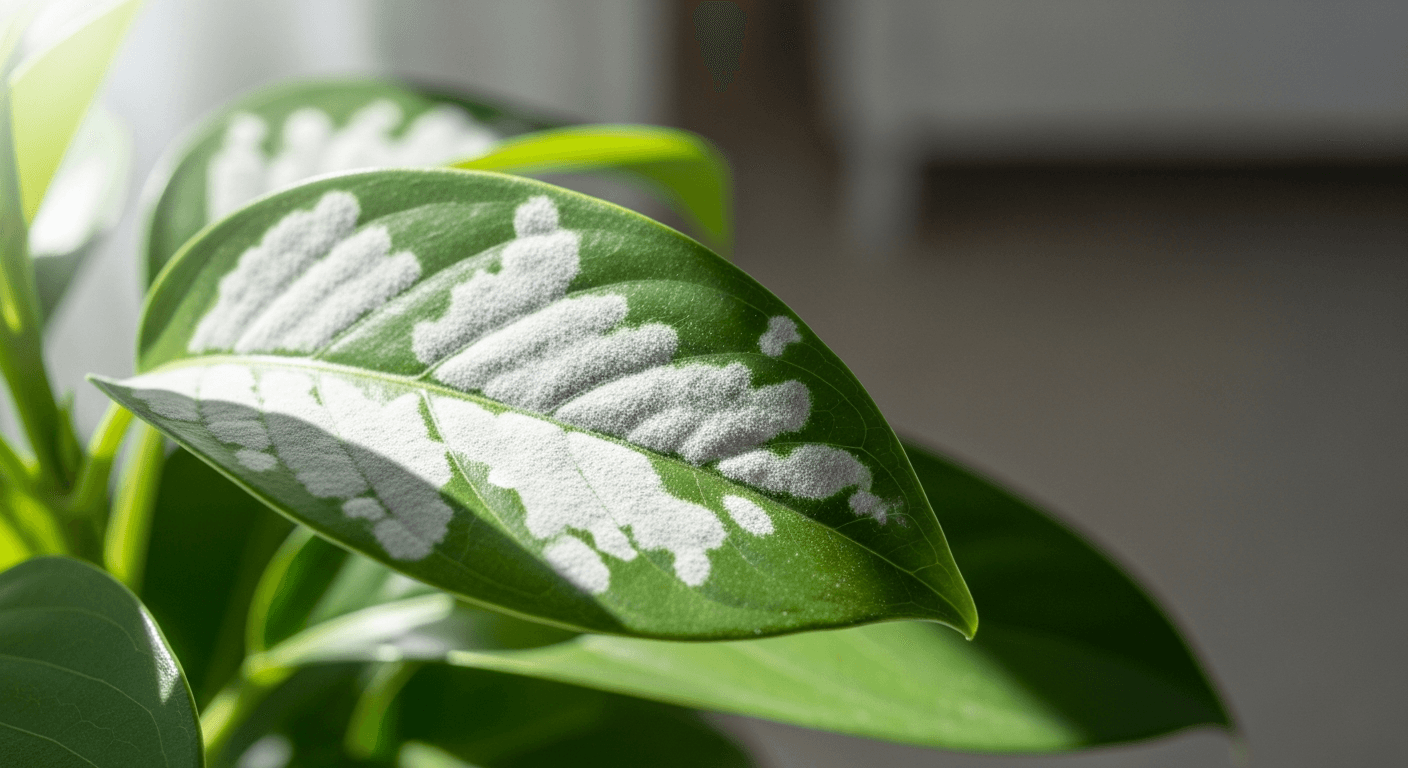
Powdery Mildew: The White Dust on Leaves and How to Remove It
Powdery mildew is that flour-like white dust on leaves. Learn to identify it, treat it with home and garden remedies, and prevent it with good airflow.
Trouble with your plant?
AI diagnosis