Soft Brown Roots: How to Save a Waterlogged Plant
Root rot is the #1 cause of dead houseplants. Learn to spot it in time, save the plant step by step, and prevent it from happening again.
In this article
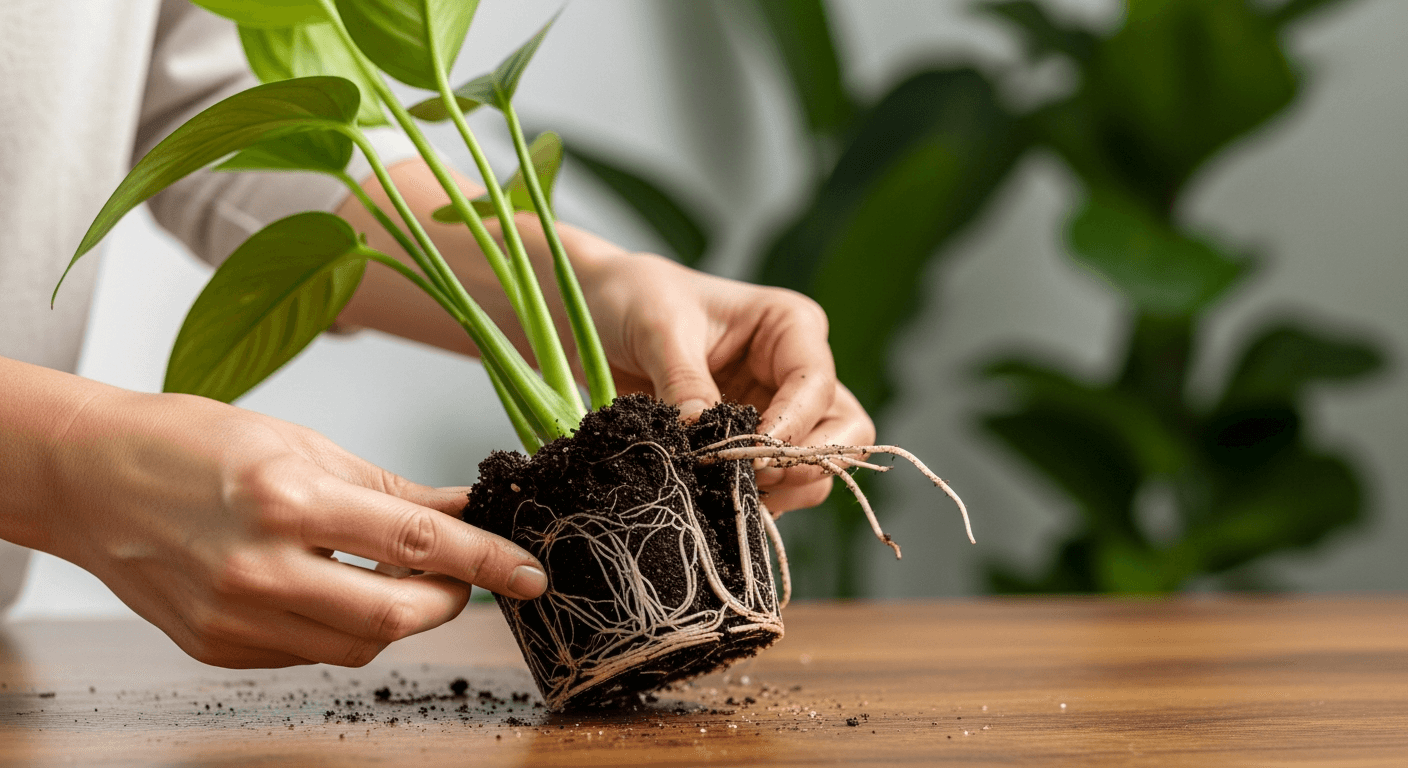
If the plant is wilting while the soil is damp and the stem base feels soft, it is root rot and you have to act the same day. The procedure is: lift the plant out of the pot, cut away every soft, dark root with clean scissors until you reach white, firm tissue, and replant in fresh, dry, free-draining soil. Healthy roots are white and firm; rotten ones are brown, mushy and smell bad.
Why it happens
Roots need oxygen, which lives in the air pockets of the soil. When you overwater or the pot won't drain, water pushes that air out and the roots suffocate. A weak, wet root is the perfect breeding ground for the fungi that rot it. That's why root rot is almost always a problem of watering and drainage, not bad luck.
Is your plant looking off and you are not sure why?
Free AI diagnosisWarning signs
| Sign | What it means |
|---|---|
| Yellow, soft leaves despite moist soil | Roots can't absorb water |
| Soil slow to dry and smelling rotten | Chronic waterlogging |
| Soft or dark base of the stem | The rot is climbing |
| Brown, mushy, smelly roots (when you lift it) | Rot confirmed |
| Fungus gnats | Constantly wet soil |
Healthy roots are white or pale and firm; rotten ones are brown, mushy and fall apart when touched.
How to save the plant
How to save it, step by step
- Remove the plant from the pot and gently clear the soil off the roots (you can rinse them under the tap).
- Cut away all rotten roots (brown/mushy) with clean, ideally disinfected scissors. Keep only healthy roots (white and firm). Don't be afraid to prune hard: a rotten root won't recover.
- If you removed a lot of roots, prune some leaves too to balance things (less root = less plant to support).
- Replant in fresh, airy soil, in a clean pot with drainage. Don't reuse the old soil, which is infected. See the right potting soil and how to choose a pot.
- Wait a few days to water, then water sparingly. Place it in indirect light (not full sun) while it recovers; more steps in reviving a dying plant.
If it's far gone: save a cutting
If the whole root system and stem base are rotten, the entire plant is very hard to save. But don't toss it yet: cut a healthy cutting from a firm upper part and root it in water or soil. Often you can start over with a healthy plant from that piece.
Do cinnamon or peroxide work?
- Cinnamon: a mild natural fungicide. Dusting it on the cuts after pruning the roots can help prevent reinfection. It won't "cure" an already-rotten root.
- Diluted hydrogen peroxide: some use it to aerate waterlogged soil briefly, but it's no substitute for cutting away the rot and improving drainage. The basics are always the same: less water, better drainage.
How to prevent a comeback
- Water by need, not by calendar: check moisture with your finger (see the watering guide). If you're unsure whether it's too much or too little, always check before watering.
- Always drainage: a pot with holes, and empty the saucer after watering.
- Airy soil: add perlite if it holds too much water.
- In winter, water much less: the plant barely drinks and soil dries slower.
Quick table
| Action | Key |
|---|---|
| Detect | Soft leaves + wet soil + brown roots |
| Save | Prune rotten roots, fresh soil, pot with drainage |
| Prevent | Water by dryness + drainage + perlite |
The key is acting fast the moment you suspect it: every extra day with the roots drowning lowers its chances. Not sure if it's rot? Upload a photo to the AI diagnosis tool.
Related articles
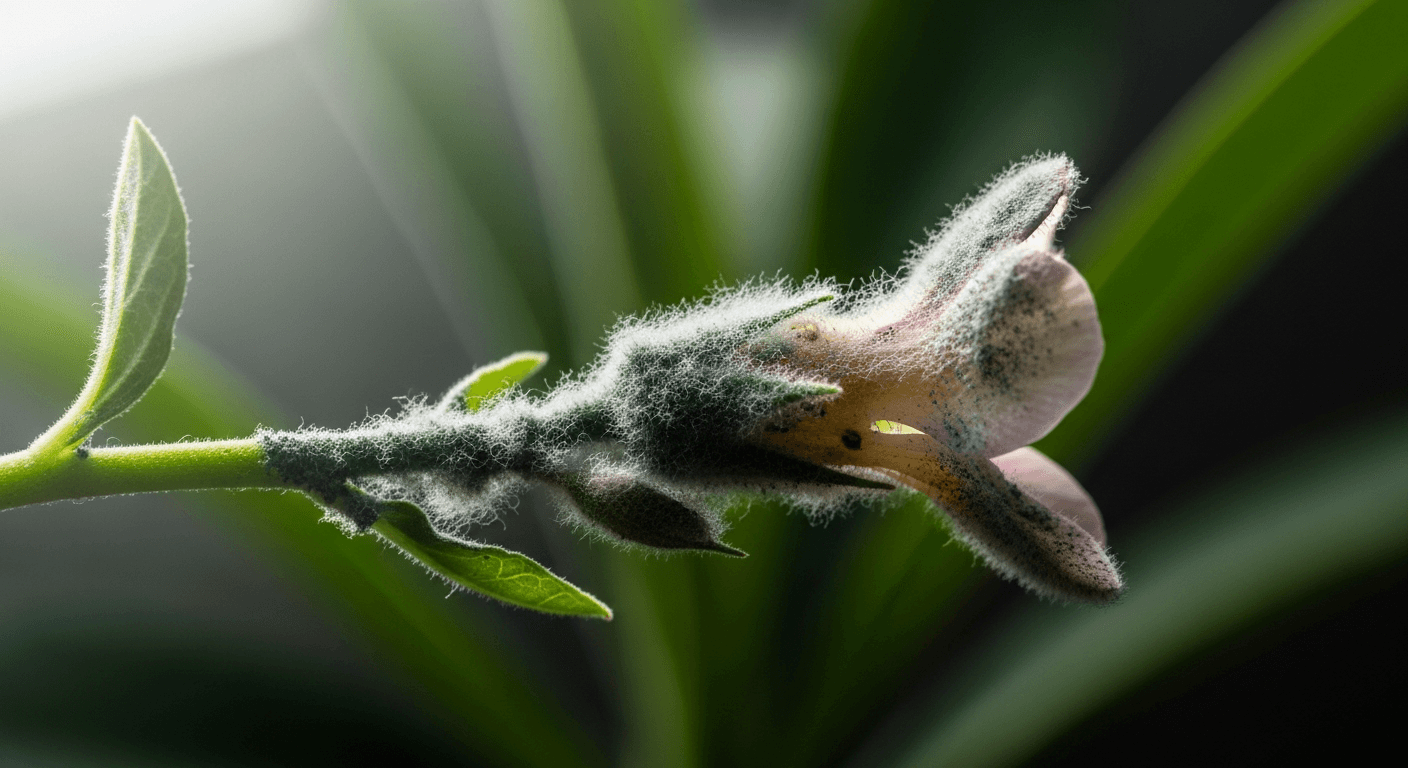
Gray Mold (Botrytis): How to Identify and Get Rid of It
Gray mold or botrytis is a fuzzy fungus that rots leaves, flowers and stems. Learn to identify it, remove the affected parts, treat it and prevent it.
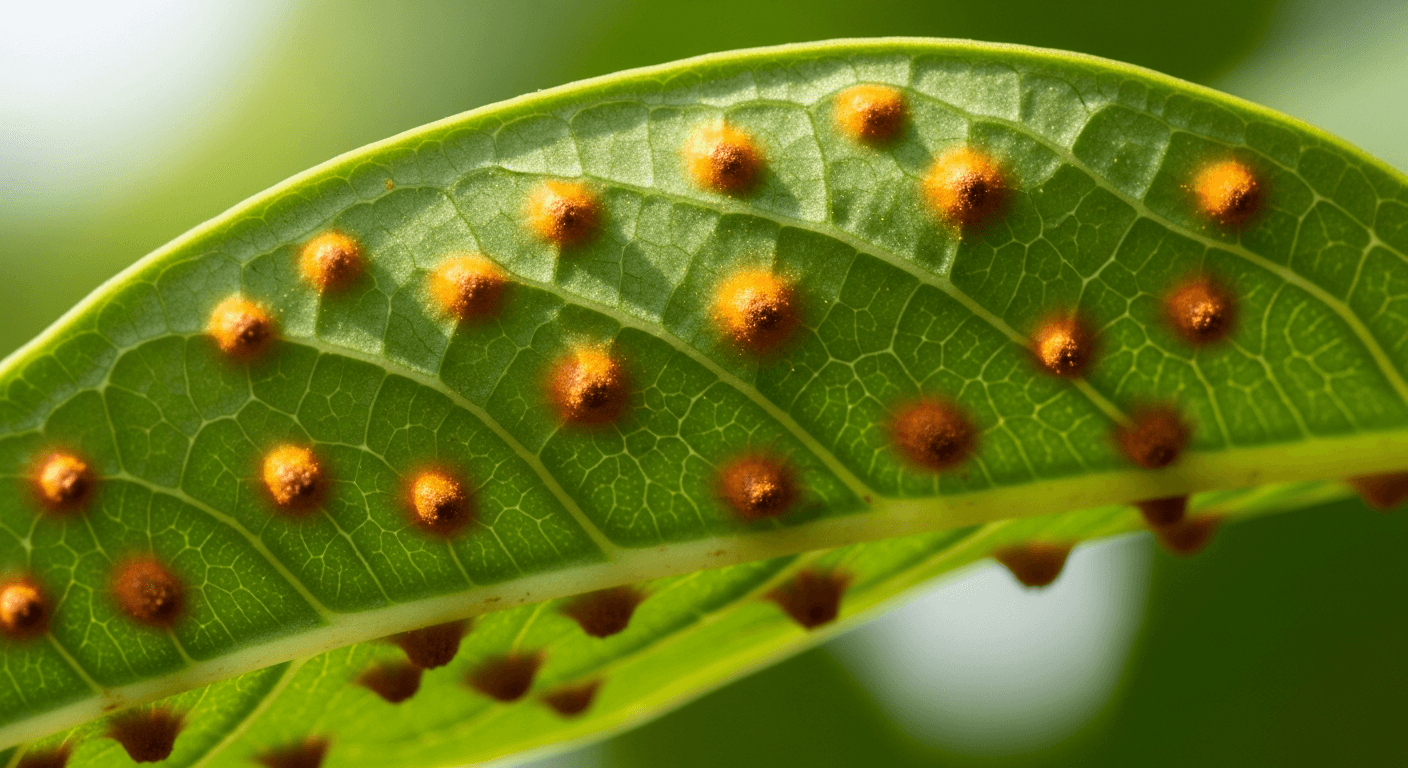
Rust Disease: The Orange Pustules on Leaves and How to Treat It
Rust is a fungus that forms orange or brown pustules on the undersides of leaves. Learn to identify it, remove affected parts, treat it and prevent it.
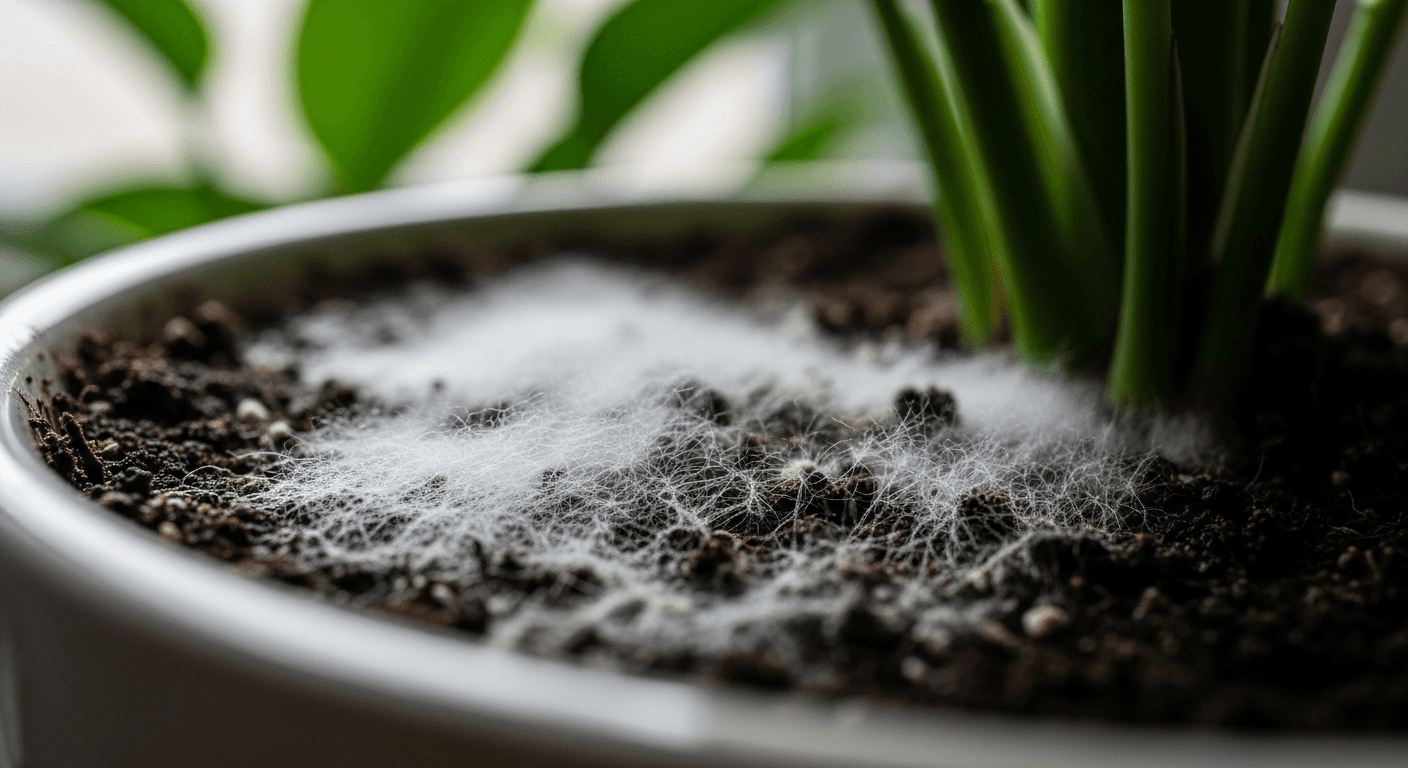
White Mold on Soil: Why It Appears and How to Remove It
That white, fuzzy mold on potting soil is a harmless fungus caused by moisture. Learn why it appears, how to remove it, and how to prevent it coming back.
Trouble with your plant?
AI diagnosis