Norfolk Island Pine: Not a Fir, and Not Cold-Hardy
Norfolk Island pine (Araucaria heterophylla) care: light, watering, humidity and why its branches turn brown and drop. The living indoor Christmas tree guide.
In this article
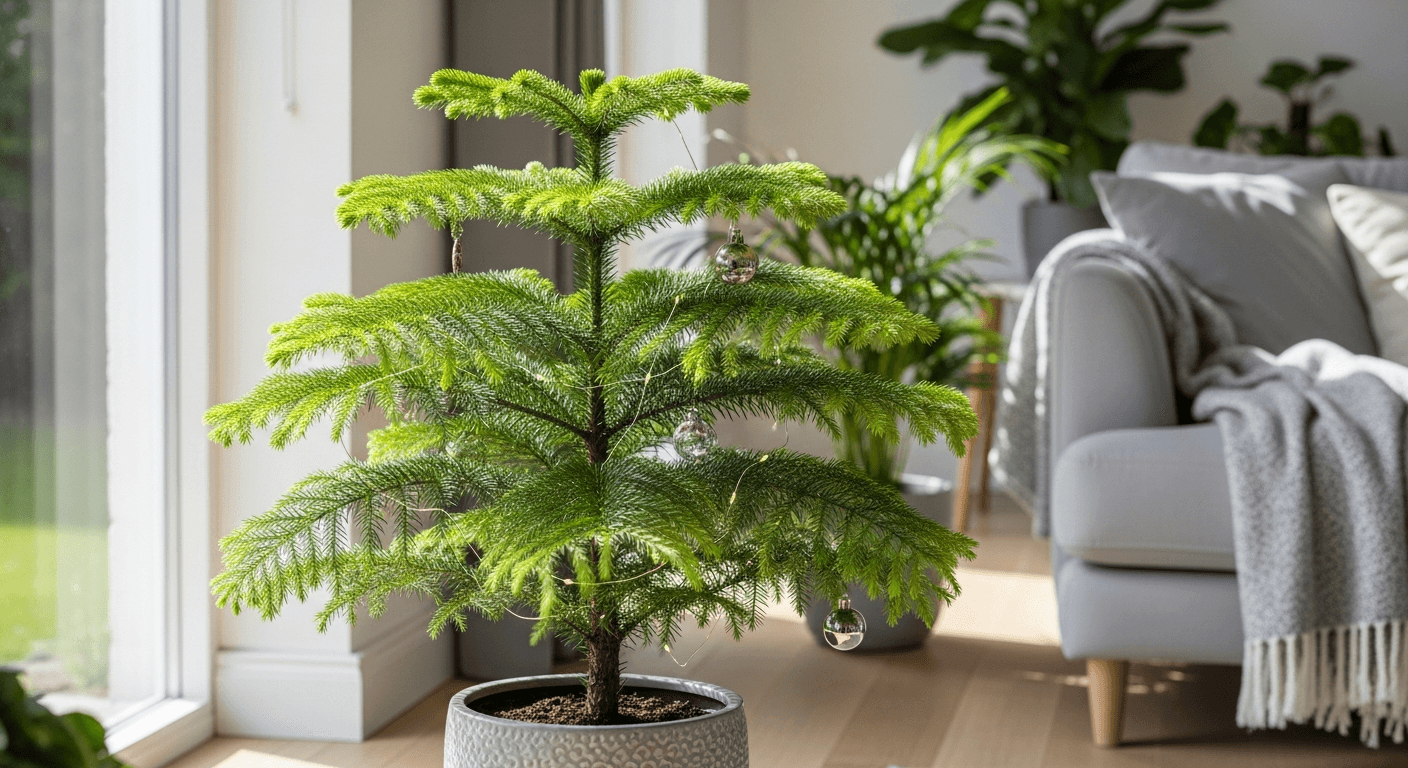
The Norfolk Island pine (Araucaria heterophylla) is that "indoor fir" with soft, symmetrical tiered branches that many people buy at Christmas as a living tree. It's neither a true pine nor a fir, but a tropical conifer native to Norfolk Island in the Pacific. Cared for well, it lives for many years and can grow huge, so it's worth understanding what it really wants.
Basic care, point by point
Light
This is the single most important thing for this plant:
- Ideal: very bright light, even a little gentle morning sun.
- Tolerates: strong indirect light right next to a large window.
- Avoid: dim corners, where it stretches, goes spindly and sheds its lower branches.
Turn the pot a quarter every week. The Norfolk pine grows toward the light and, if you don't rotate it, it warps and leans permanently to one side.
Is your plant looking off and you are not sure why?
Free AI diagnosisWatering
Water when the top inch of soil is dry, but never let the rootball dry out completely. It's a tropical conifer and dislikes both waterlogging and total drought.
- In spring and summer, that's usually once a week.
- In winter, water less often but don't abandon it.
- Always empty the saucer: waterlogged roots rot easily.
Rule of thumb: keep the soil like a wrung-out sponge — moist but never soaked.
Humidity and temperature
Here's the secret to stopping the branch tips from turning brown. Dry heated air is its great enemy, turning the needles brown and making them drop.
- Keep ambient humidity above 50%.
- Group plants together or run a humidifier in winter.
- Keep it away from radiators, heaters and hot drafts.
If keeping the air humid is a struggle, our humidity for indoor plants guide will help.
Ideal temperature: 60 to 75 °F. It tolerates cool rooms but never frost.
Soil and repotting
Use a light, free-draining mix: regular houseplant soil with a handful of perlite and a little sand. It grows slowly, so only repot every 2-3 years into a pot a couple of centimeters larger. It dislikes root disturbance, so do it carefully in spring.
Feeding
In spring and summer, feed every 3-4 weeks with a balanced fertilizer for green plants at half strength. In autumn and winter, stop feeding: the plant barely grows and excess salts will scorch the roots.
Quick care table
| Care | Norfolk pine |
|---|---|
| Light | Very bright; some morning sun |
| Water | Moist like a wrung-out sponge |
| Humidity | High (50%+) |
| Difficulty | Medium |
| Pets | Mildly toxic |
As a living alternative at Christmas it competes with the poinsettia and the christmas cactus, and it outlives both by years. Its weak point is dry air: when the needles brown and drop, check the humidity guide.
Common problems
- Branches drying and dropping (the lower ones first): almost always too little light or air that's too dry. Move it closer to the window and raise the humidity. Note: a branch that dries out completely does not regrow, so act early.
- Brown tips: dry air or hard, limy water.
- Leaning trunk: reaching for light; rotate the pot regularly.
- Yellow, soft branches: overwatering. Let it dry and check drainage.
Not sure whether it's water, light or a fungus? Upload a photo to our AI diagnosis tool to narrow down the cause before you act.
Does it work as a Christmas tree?
Yes, and it's a lovely alternative to a cut tree. Decorate it with cool LED lights (which don't get hot) and very light ornaments so the branches aren't weighed down. Just keep it away from the fireplace and heating, and return it to its bright spot as soon as the holidays are over.
Is it toxic?
The Norfolk Island pine is considered mildly toxic to dogs and cats if chewed, and can cause stomach upset. It's not among the most dangerous houseplants, but it's best kept out of their reach.
With plenty of light, steady watering and humid air, your Norfolk Island pine will become an elegant green column that grows with you for years.
Related articles
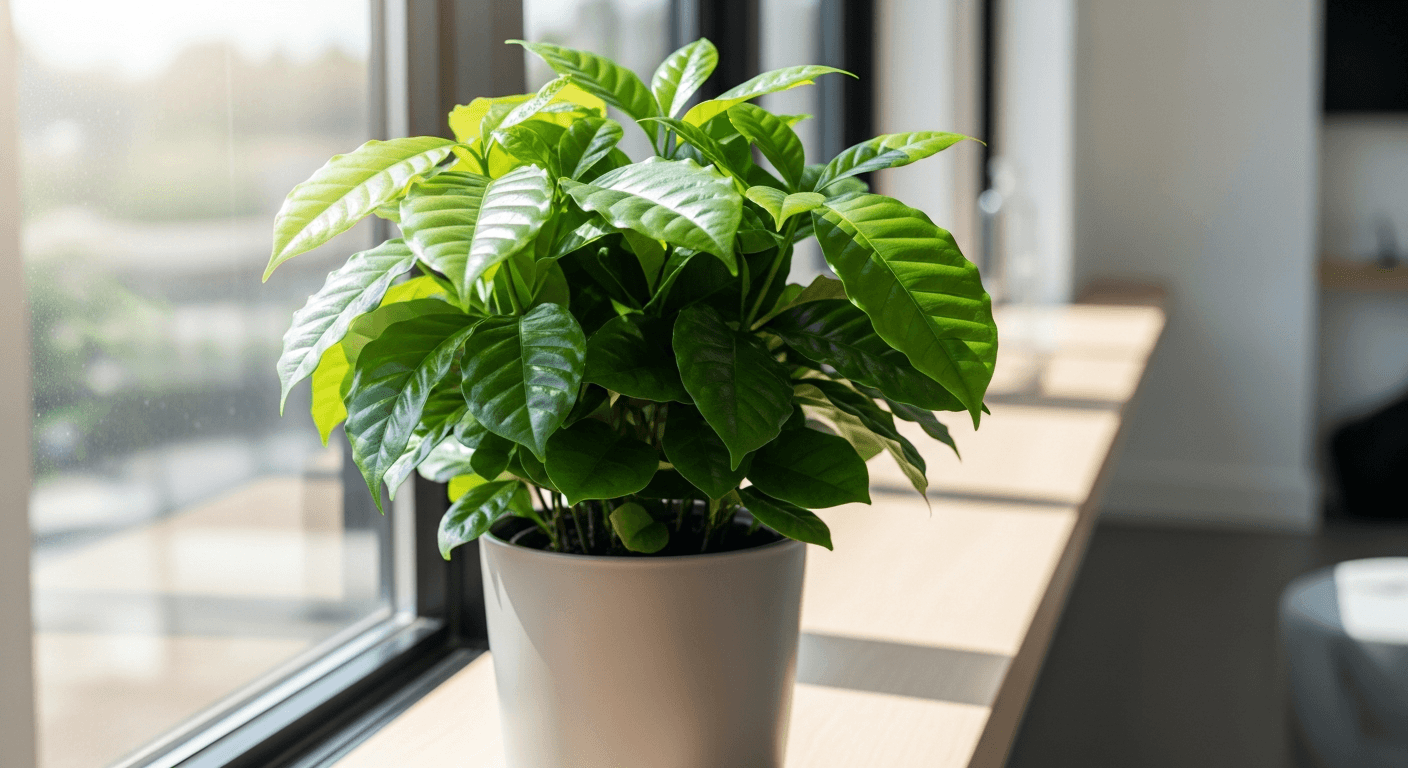
Coffee Plant Care: Growing Coffea at Home
Coffee plant (Coffea arabica) care as a houseplant: bright indirect light, humidity, watering, and whether you can really harvest your own coffee beans.
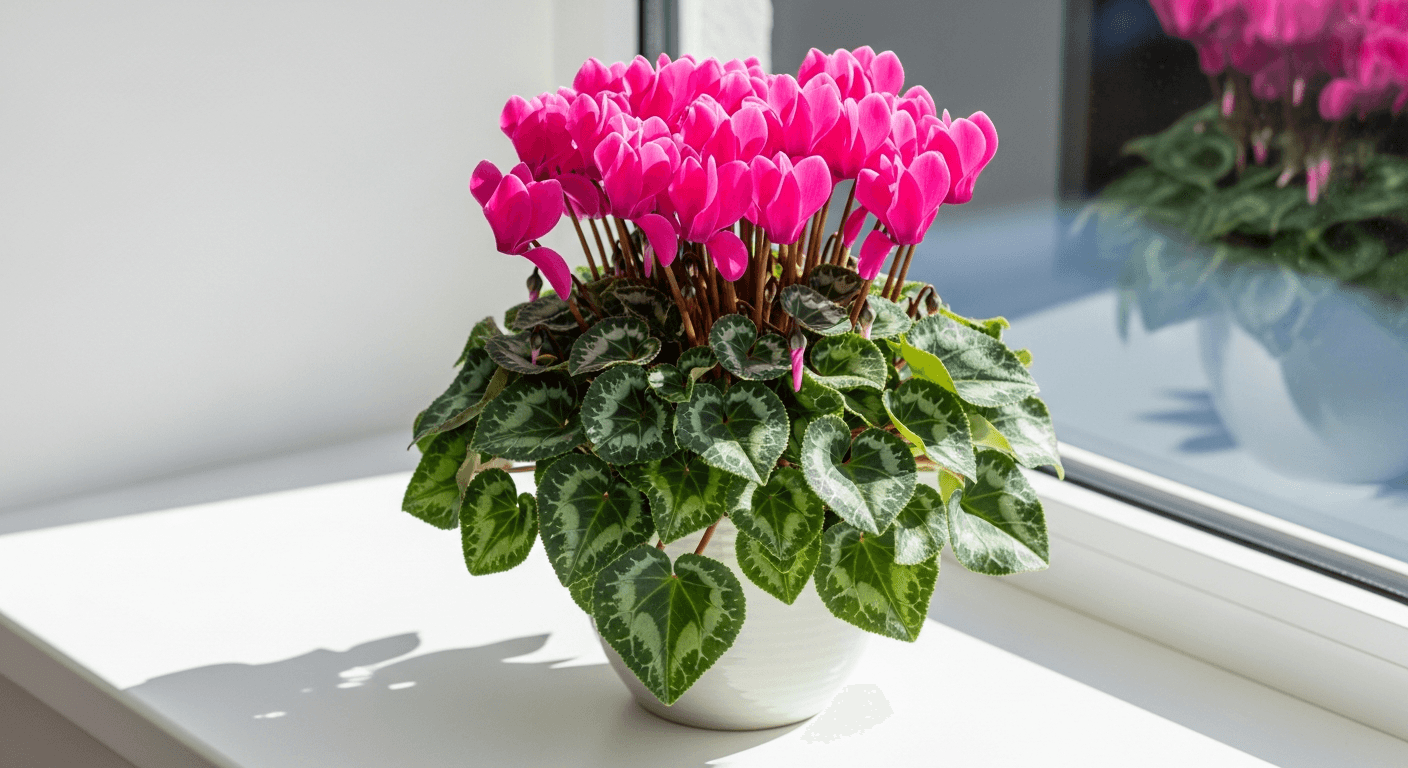
Cyclamen Care: Keep It Blooming All Winter
Cyclamen care so it blooms all winter: cool temperatures, light, watering from below to avoid crown rot, and how to handle its summer dormancy.
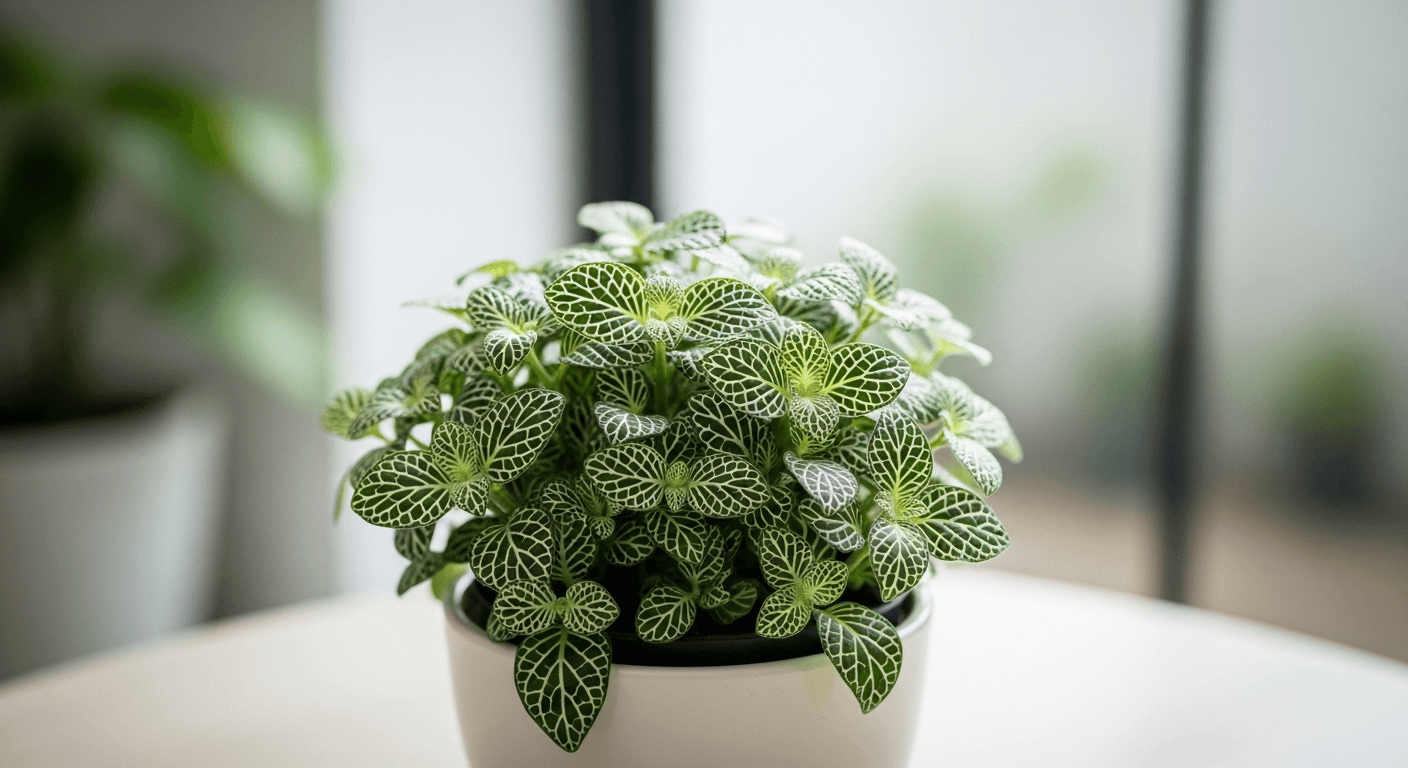
Fittonia (Nerve Plant): Care and Humidity Guide
Fittonia or nerve plant care: high humidity, indirect light, keeping it moist, and why it dramatically wilts and revives. Pet-safe. Complete guide.
Trouble with your plant?
AI diagnosis