Parlor Palm: Tropical, Pet-Safe and Low-Light Tolerant
Parlor palm (Chamaedorea) care: tolerates low light, watering, humidity, why the fronds brown at the tips, and why it's safe for pets. Full guide.
In this article
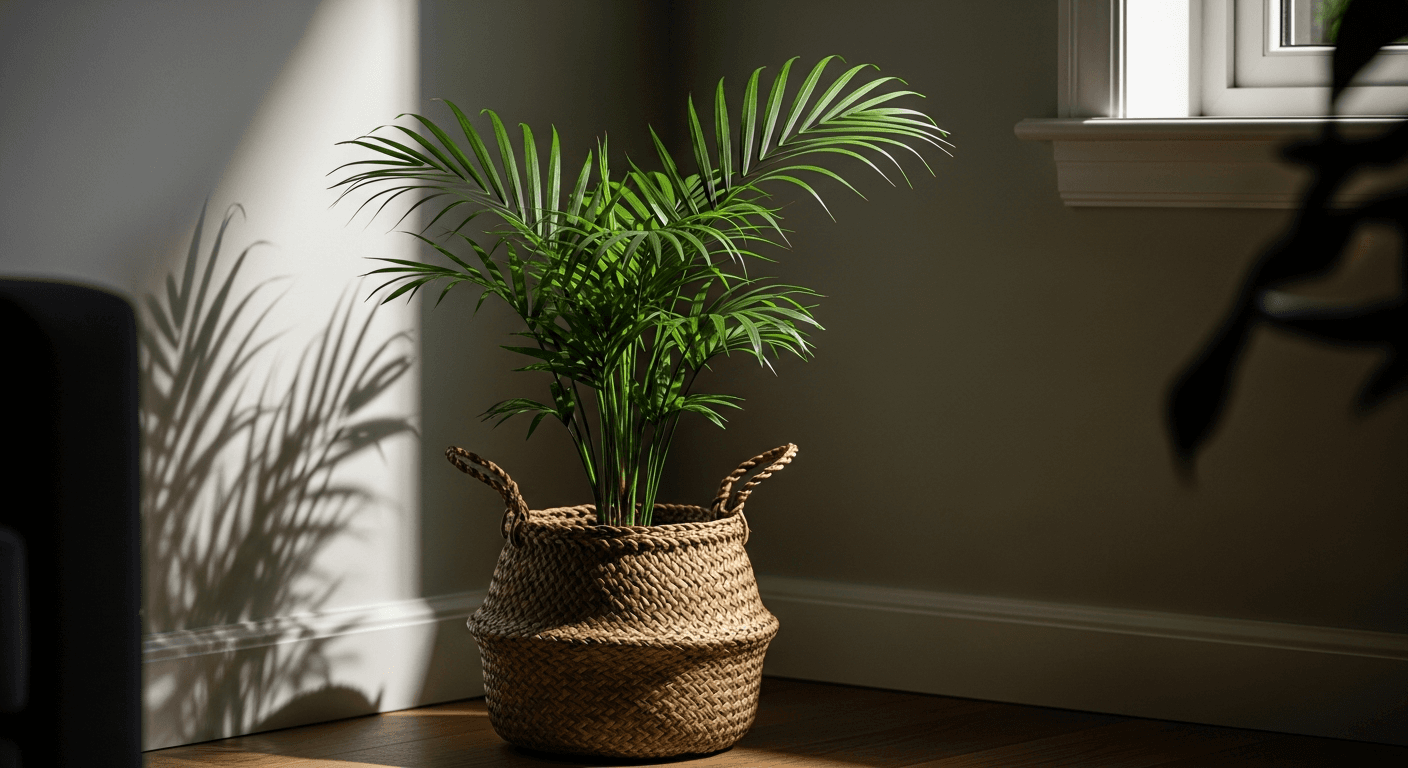
The parlor palm (Chamaedorea elegans) has been one of the most beloved houseplants for over a century, and for good reason: it brings an elegant, tropical feel, tolerates low light better than almost any palm, and is completely safe for dogs and cats. If you want greenery in a corner without direct sun, this is your plant.
| Care | Need |
|---|---|
| Light | Medium indirect; tolerates low light |
| Watering | When top inch of soil is dry |
| Humidity | Medium-high (prevents brown tips) |
| Temperature | 65-75 °F |
| Toxicity | Non-toxic, pet-safe |
Why it's so easy
Unlike fussier palms, the Chamaedorea grew up in the understory of Mexican jungles, in the shade of larger trees. That's why it adapts well to the filtered light of a living room and doesn't need the blazing sun other indoor palms demand.
Is your plant looking off and you are not sure why?
Free AI diagnosisBasic care, point by point
Light
- Ideal: medium to bright indirect light, no direct sun.
- Tolerates: low-light corners where other plants would struggle.
- Avoid: direct sun, which scorches and yellows the fronds.
If you want more options for darker spots, take a look at our guide to low-light plants.
Watering
Water when the top inch of soil is dry. It's sensitive both to waterlogging and to total drought.
- In spring and summer, that's usually once a week.
- In winter, space waterings out.
- Never leave it in a saucer of standing water: it's the fast track to root rot.
Golden rule: the parlor palm forgives a missed watering better than an extra one.
Humidity and why the tips brown
The most common issue is brown frond tips, almost always from air that's too dry (especially with heating) or hard, calcium-rich water. To avoid them:
- Raise humidity by grouping plants together or using a humidifier.
- Water with soft or left-out water.
- Trim only the dry part of the tip, following the leaf's natural shape.
Keep it between 65 and 75 °F and away from cold drafts.
Soil and pot
Use a standard, free-draining houseplant mix with a handful of perlite. It grows slowly and has fine roots, so it doesn't need frequent repotting: every 2-3 years, or when the roots fill the pot, is plenty. Handle the root ball gently, as the roots are delicate.
Maintenance
- Remove old yellowing fronds at the base.
- Wipe dust off the leaves with a damp cloth now and then.
- Feed lightly once a month in spring and summer.
Unlike other plants, don't cut the central stem to make it bushier: palms grow from a single point, and a cut at the top would stop that frond. For more fullness, the usual trick is to plant several together in the same pot.
Tiny flowers
A happy, mature parlor palm sometimes produces sprays of small yellow, bead-like flowers on thin stems. They're harmless and rather charming, though they don't amount to much. If you find the dried, spent flower stalks messy, just snip them off at the base. They're a sign your palm is content, not a problem to fix.
It's one of the very few palms that genuinely thrives in low-light corners, which is why it always turns up among the office plants. Its only serious pest is spider mites when the air gets very dry.
Common problems
- Brown tips: dry air or hard water.
- Yellow fronds: overwatering or too much direct light.
- Fine webbing and stippling: spider mites, encouraged by dry air.
Not sure if it's watering, dry air or a pest? Upload a photo to our AI diagnosis tool to pin down the cause.
Is it toxic?
No. The parlor palm is on the lists of pet-safe plants: it's non-toxic to dogs and cats, which makes it one of the best choices if you have animals at home.
With filtered light, careful watering and a bit of humidity to keep the tips from browning, the parlor palm will give you elegant greenery for many years with very little effort.
Related articles
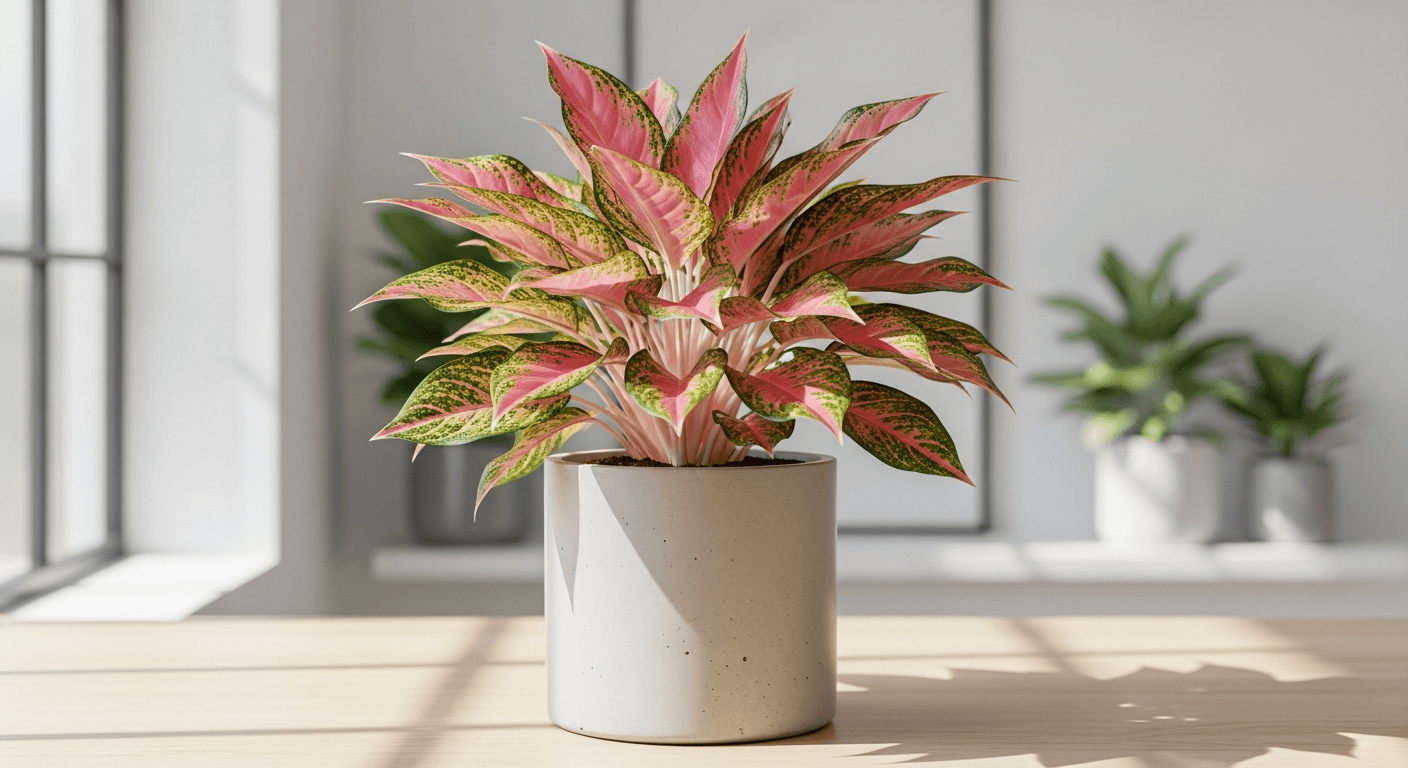
Aglaonema (Chinese Evergreen): The Complete Care Guide
Care guide for the Aglaonema or Chinese evergreen: light for the pink varieties, watering, humidity, propagation by division and its toxicity to pets.
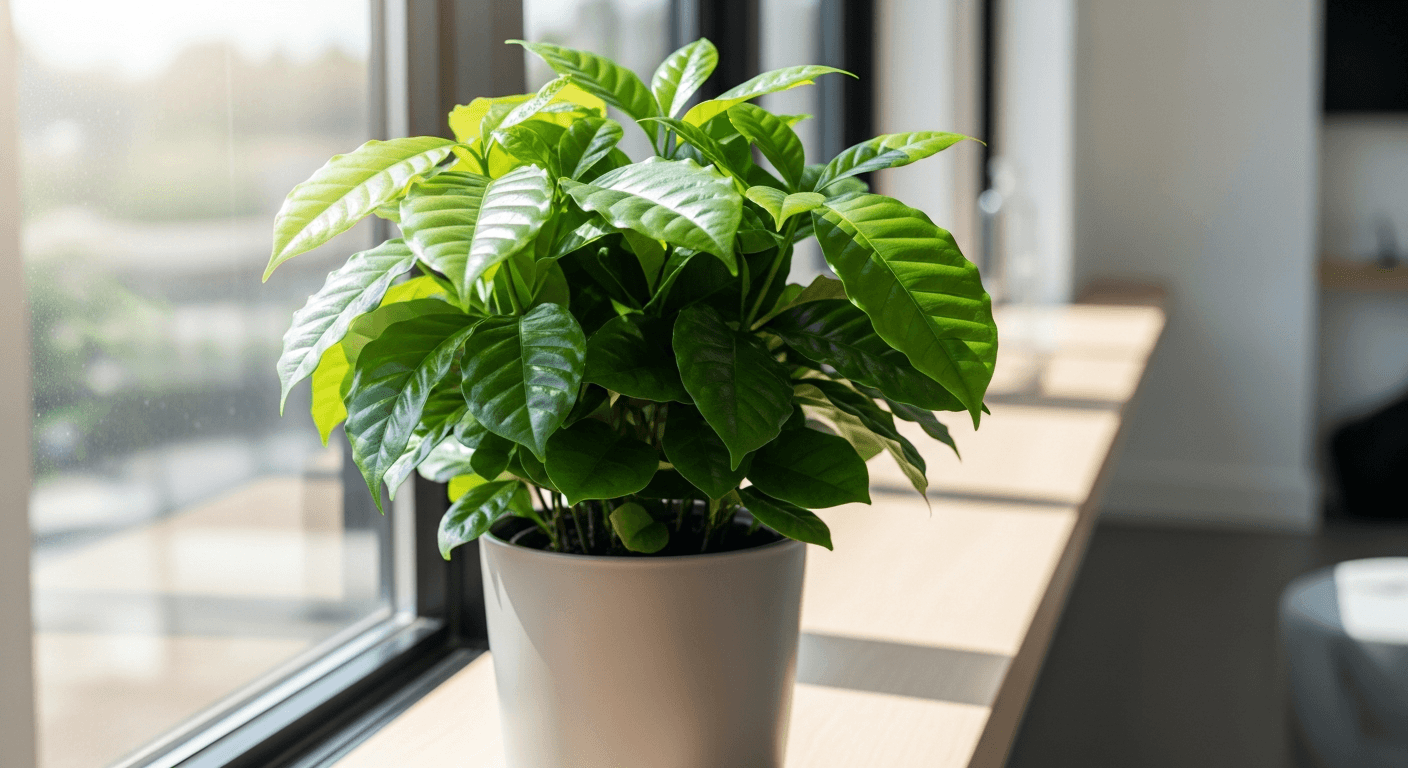
Coffee Plant Care: Growing Coffea at Home
Coffee plant (Coffea arabica) care as a houseplant: bright indirect light, humidity, watering, and whether you can really harvest your own coffee beans.
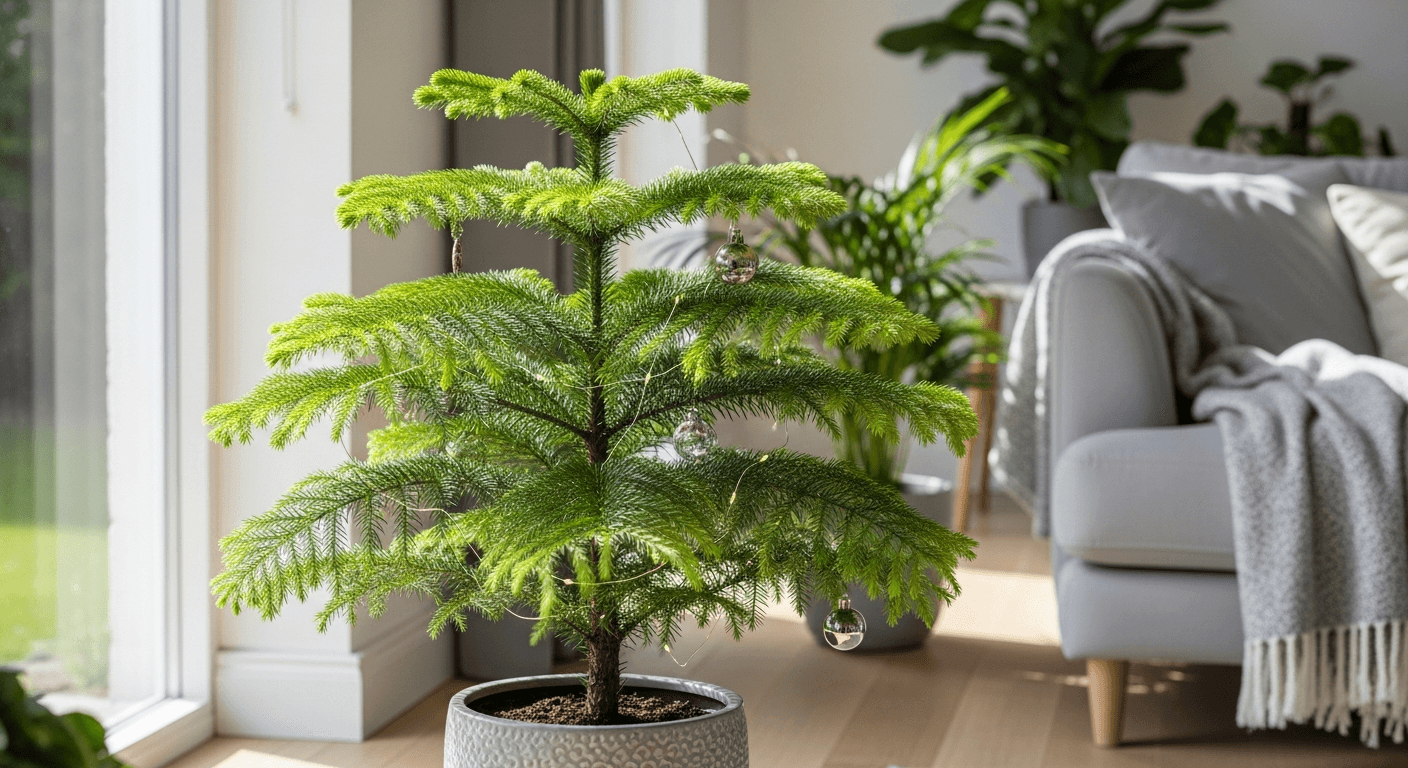
Norfolk Island Pine Care: The Living Christmas Tree
Norfolk Island pine (Araucaria heterophylla) care: light, watering, humidity and why its branches turn brown and drop. The living indoor Christmas tree guide.
Trouble with your plant?
AI diagnosis