Christmas Cactus: How to Force the Winter Bloom
Christmas cactus (Schlumbergera) care guide: it's a jungle cactus, not a desert one. Light, watering, soil and the cool-and-dark trick to make it flower.
In this article
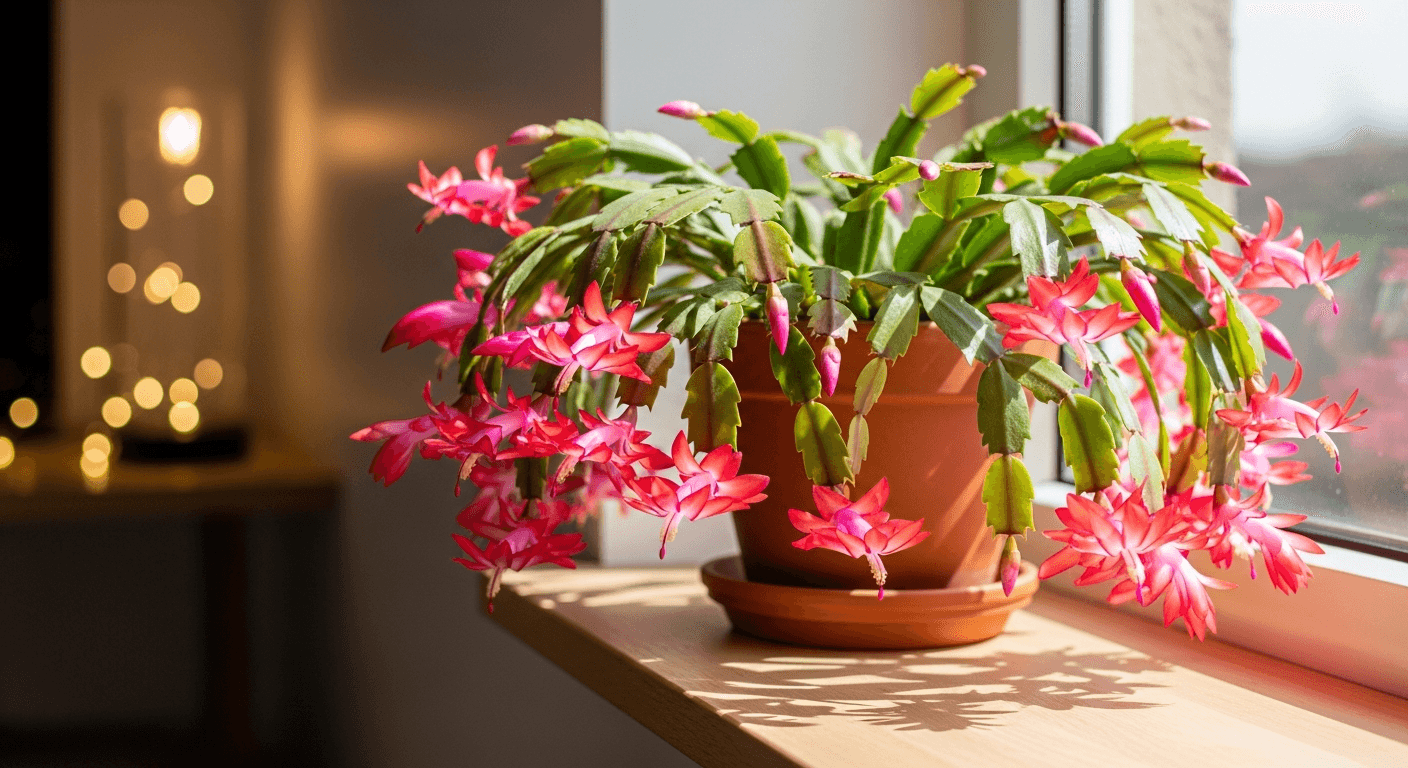
The Christmas cactus (Schlumbergera) is one of the few plants that decides to flower in the middle of winter, when almost everything else is resting. Its tubular blooms in pink, magenta or white dangle from flat, segmented stems that look nothing like a desert cactus. Understanding that difference is the key to keeping yours thriving and flowering year after year.
| Care | Need |
|---|---|
| Light | Bright indirect, no harsh direct sun |
| Watering | When top inch is dry; never soggy |
| Humidity | Medium-high, above 50% |
| Blooming | Long, cool nights in autumn |
| Toxicity | Non-toxic to dogs and cats |
It's not a desert cactus
Despite the name, Schlumbergera is an epiphyte from the Brazilian jungle, where it grows on tree branches in shade and humidity. That's why it doesn't want full sun or extreme drought: treat it like a classic cactus and it shrivels and won't bloom. Think tropical rainforest plant instead.
Is your plant looking off and you are not sure why?
Free AI diagnosisBasic care, point by point
Light
- Ideal: bright, indirect light near a window without harsh direct sun.
- Tolerates: some shade, though it'll flower less.
- Avoid: harsh midday sun, which reddens and scorches the segments.
Watering
Unlike desert cacti, it likes steady moisture without sitting wet:
- Water when the top inch or so of soil is dry.
- While blooming, keep the soil lightly and evenly moist.
- Ease off a little after flowering, during its rest.
Never leave it standing in a saucer of water — the roots rot easily.
Soil and pot
Use an airy, well-draining mix: an indoor potting mix with perlite and a little bark works beautifully. Being an epiphyte, it likes its roots a bit snug, so don't move it into a much larger pot; every 2-3 years is plenty.
Humidity and temperature
It appreciates medium-to-high humidity (above 50%), making a bright bathroom or a cluster of plants ideal. For its health, keep it between 65 and 72 °F during growth, away from radiators and drafts.
The trick to make it bloom
Here's the magic. The Christmas cactus sets buds in response to long, cool nights. Starting about 6-8 weeks before your target date (from October on):
- Give it long, dark nights: around 12-14 hours of total darkness each night, with no artificial light interrupting it.
- Keep it at cool temperatures, roughly 55-60 °F at night.
- Water less during this bud-setting period.
Once buds appear, return to normal care and don't move the plant — sudden shifts in light or temperature make it drop its buds.
Why it drops its buds
This is the most common complaint. It usually comes down to:
- Sudden changes in location, light or temperature.
- Erratic watering (too much or too little).
- Cold drafts or sitting near a heat source.
The fix is stability: once it has buds, leave it alone.
Propagation
It's wonderfully easy:
- Twist off a segment of 2-3 stem pieces.
- Let it air-dry for 1-2 days so the cut callouses over.
- Plant it in moist soil, burying one segment.
- In a few weeks it roots and you have a brand-new plant.
Is it toxic?
Good news: the Christmas cactus is non-toxic to dogs and cats, making it a safe choice for homes with pets. Even so, discourage chewing to avoid mild stomach upset.
It shares a season with the poinsettia, the other great Christmas plant, though their care has nothing in common: the Christmas cactus wants humidity and slightly moist soil, not the dry treatment we give cacti and succulents.
Common problems
- Wrinkled, limp segments: too little or too much water; check the soil.
- Reddish stems: too much direct sun or excessive cold.
- No flowers: it didn't get long, cool nights in autumn.
If you're unsure whether the poor look is watering, light or a pest, upload a photo to our AI diagnosis tool to narrow down the cause. And if you like tough succulent plants, take a look at our cactus care guide.
Related articles
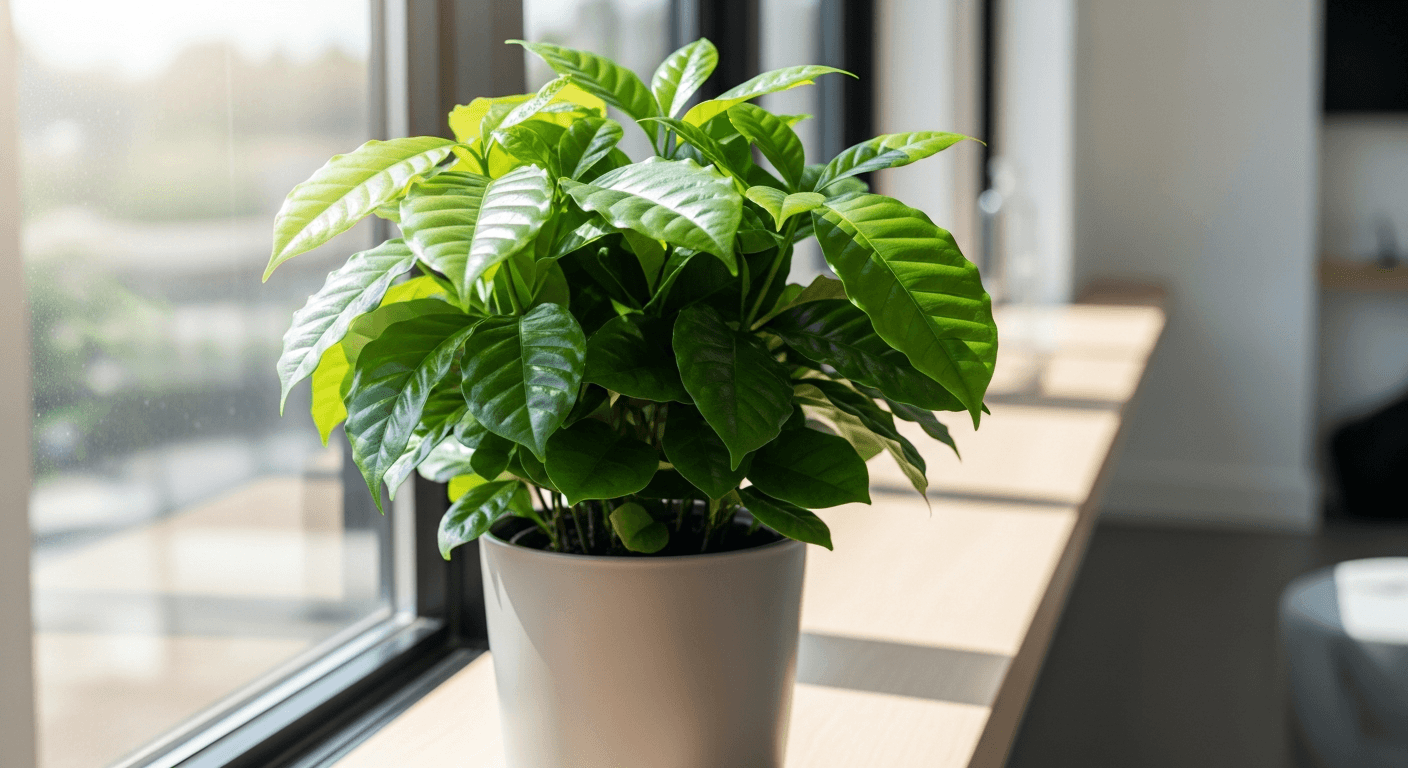
Coffee Plant Care: Growing Coffea at Home
Coffee plant (Coffea arabica) care as a houseplant: bright indirect light, humidity, watering, and whether you can really harvest your own coffee beans.
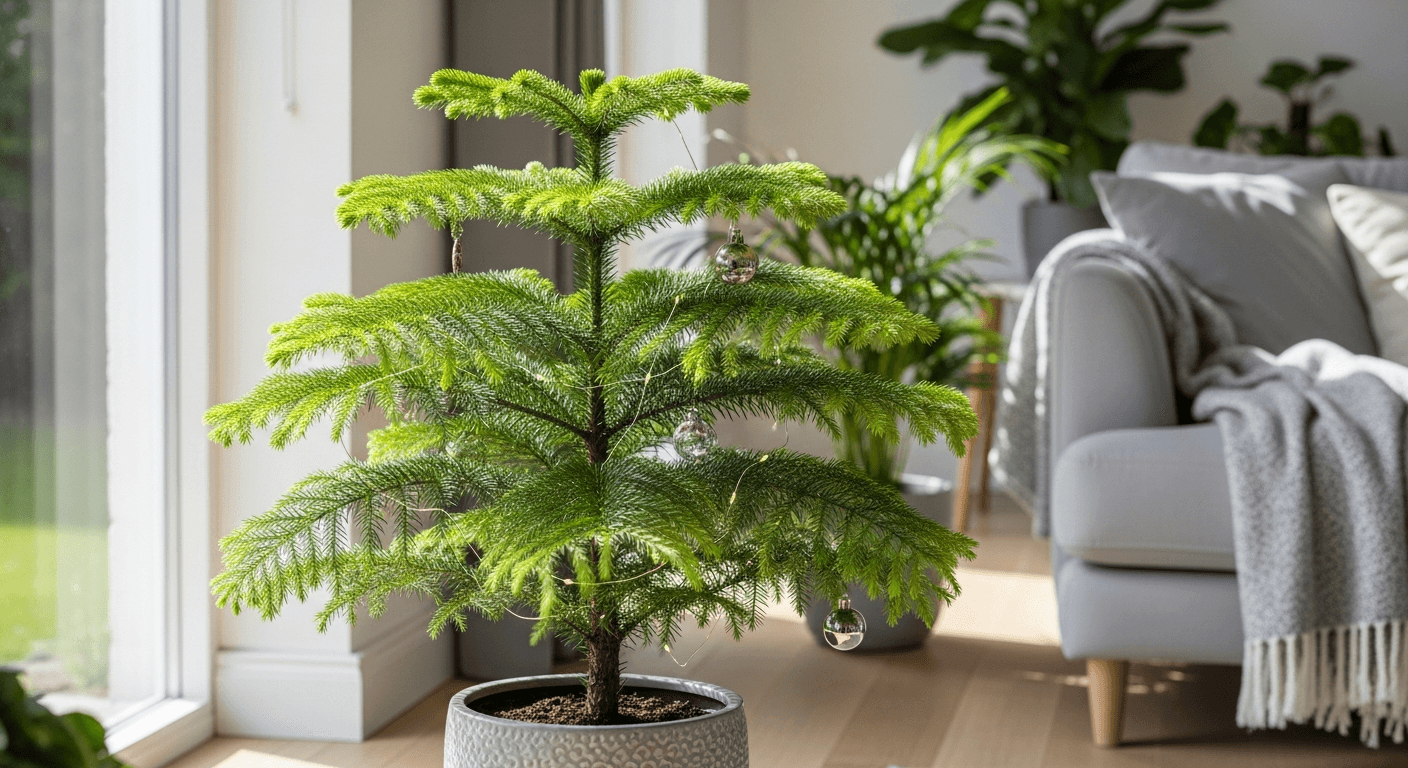
Norfolk Island Pine Care: The Living Christmas Tree
Norfolk Island pine (Araucaria heterophylla) care: light, watering, humidity and why its branches turn brown and drop. The living indoor Christmas tree guide.
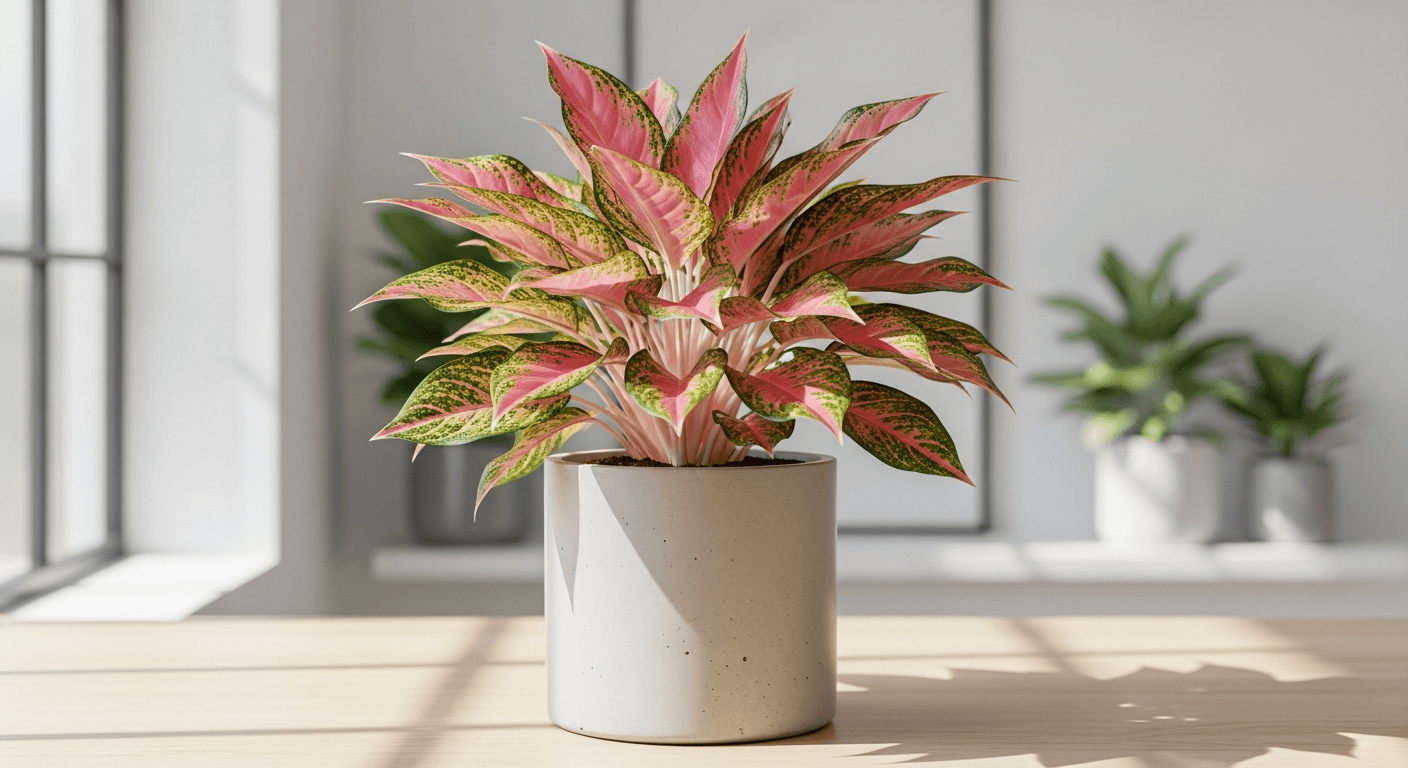
Aglaonema (Chinese Evergreen): The Complete Care Guide
Care guide for the Aglaonema or Chinese evergreen: light for the pink varieties, watering, humidity, propagation by division and its toxicity to pets.
Trouble with your plant?
AI diagnosis