Indoor Cacti: The Watering They Actually Need
Indoor cactus care: how much light and water it needs, which soil, the winter rest that triggers flowering, and the mistakes that rot it. Easy and tough.
In this article
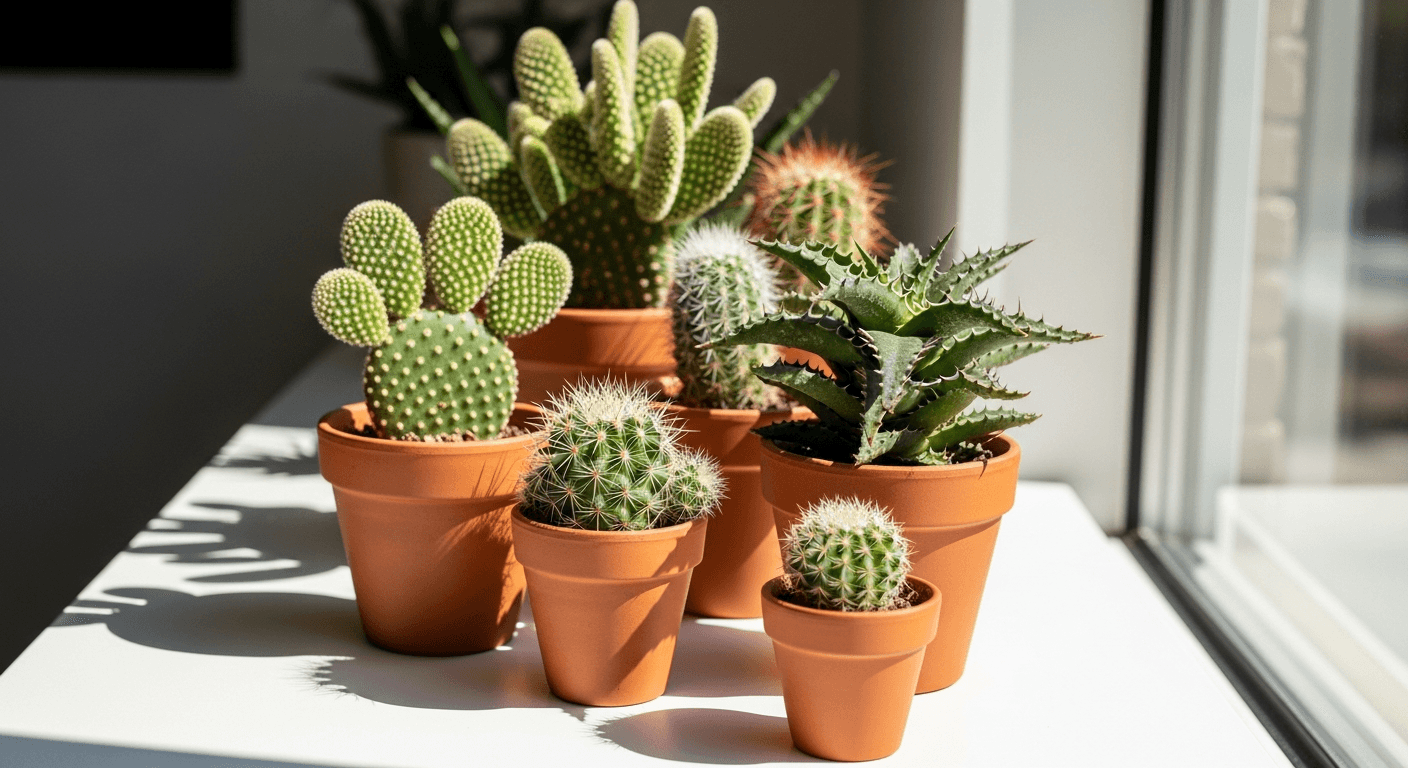
The cactus is the perfect plant for anyone who always forgets to water: it stores water in its body and withstands weeks of drought. Its only serious enemy is overwatering. With sun and little water it lives for years and, if you give it a proper winter rest, rewards you with spectacular flowers. Since I'm a sun-and-outdoors person, cacti are among my favorite plants for a bright windowsill. Here's the complete guide.
Basic care, point by point
Light
| Light level | Result |
|---|---|
| Lots of light / direct sun | Firm body, healthy color and blooms ✅ |
| Medium light | Survives; little growth |
| Low light | Stretches, pale and deformed |
It wants lots of light: a very bright south-facing sill or direct sun. In low light it grows stretched and thin toward the window (etiolation), and that deformity doesn't reverse (see leggy plants). If you put it outside in summer, acclimate it to the sun gradually so it doesn't scorch.
Is your plant looking off and you are not sure why?
Free AI diagnosisWatering: the cactus rule
Water thoroughly only when the soil is completely dry, and forget it between waterings:
- Spring-summer: every 1-2 weeks (in active growth).
- Fall-winter: barely any, every 4-6 weeks or less. At rest it doesn't drink and water rots it.
Let the water run out the drainage holes and never leave water in the saucer. A soft, yellowing or brown base = rot from overwatering, almost always irreversible once it reaches the base. The method is in the watering guide.
The winter rest: the secret to flowering
This is what almost no one does and it makes the difference. Many desert cacti bloom after a cool, dry winter: keep it in a very bright spot at 46-54 °F (8-12 °C) with almost no water from November to February. That rest (cool nights, no water) mimics its habitat and triggers flower buds in spring. Without it, a healthy cactus may never bloom indoors.
Soil and pot
A cactus-specific mix (very mineral, with coarse sand or pumice) and a terracotta pot with holes: terracotta breathes, dries faster and prevents rot. See how to choose a pot and the right potting soil.
Cactus vs. succulent: what's the difference?
All cacti are succulents, but not the other way around. What defines a cactus are the areoles: those little cushions from which spines, flowers and shoots emerge. If it has areoles, it's a cactus. Care is almost identical to succulents: lots of light, little water, fast-draining soil.
Common types
- Mammillaria: globular, bloom with crowns of small flowers; very easy.
- Echinopsis: huge, spectacular flowers (often nocturnal).
- Opuntia (prickly pear): grow fast; watch the glochids (fine spines).
- Column cacti (Cereus): vertical, architectural.
Note: the Christmas cactus is not a desert cactus but a tropical jungle one, and it's watered and cared for differently.
How to propagate it
- Offsets: many cacti push out "babies" at the base; separate them, let them callus 2-3 days and plant.
- Cuttings: cut a segment (opuntias, columnar types), let it callus a week and plant in dry soil.
Mind the spines
Handle it with thick leather gloves or a strip of newspaper rolled into a handle. The fine spines (glochids) of opuntias embed easily and are hard to remove; never touch them with bare hands.
Quick care table
| Care | Cactus (desert) |
|---|---|
| Light | Lots; direct sun |
| Water | Only when dry; almost none in winter |
| Soil | Mineral/very free-draining |
| Difficulty | Very easy (with light) |
| Blooming | Needs a cool, dry winter rest |
Common problems
| Symptom | Likely cause | Fix |
|---|---|---|
| Stretching and paling | Too little light | More sun; stretched part won't revert |
| Soft, brown base | Overwatering/rot | Cut above healthy tissue and re-root |
| Brown "corky" patches | Sunburn or aging | Acclimate to sun; age corking is normal |
| Wrinkled and soft | Prolonged thirst (rare) | Water thoroughly once |
| Never blooms | No winter rest | Cool, dry winter |
Give it sun, free-draining soil and a winter rest, and your cactus will thrive for years with minimal effort, and one day surprise you with flowers.
Yours looking off? Try the AI diagnosis tool or check the aloe vera, cared for in a similar way.
Related articles
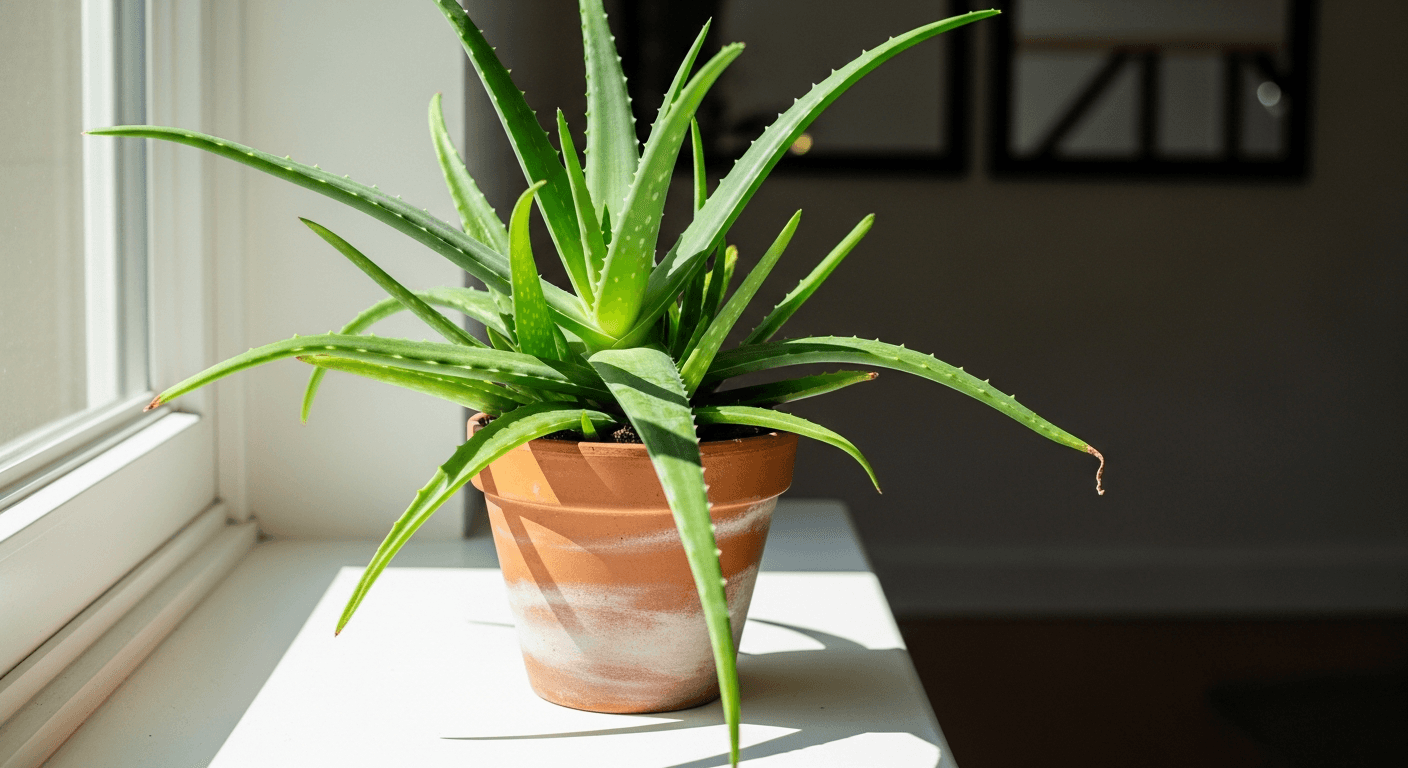
Aloe Vera: Care, Watering and How to Use Its Gel at Home
Aloe vera care: how much light and water it needs, which pot and soil, how to propagate it from pups and how to extract its gel. The most useful succulent.
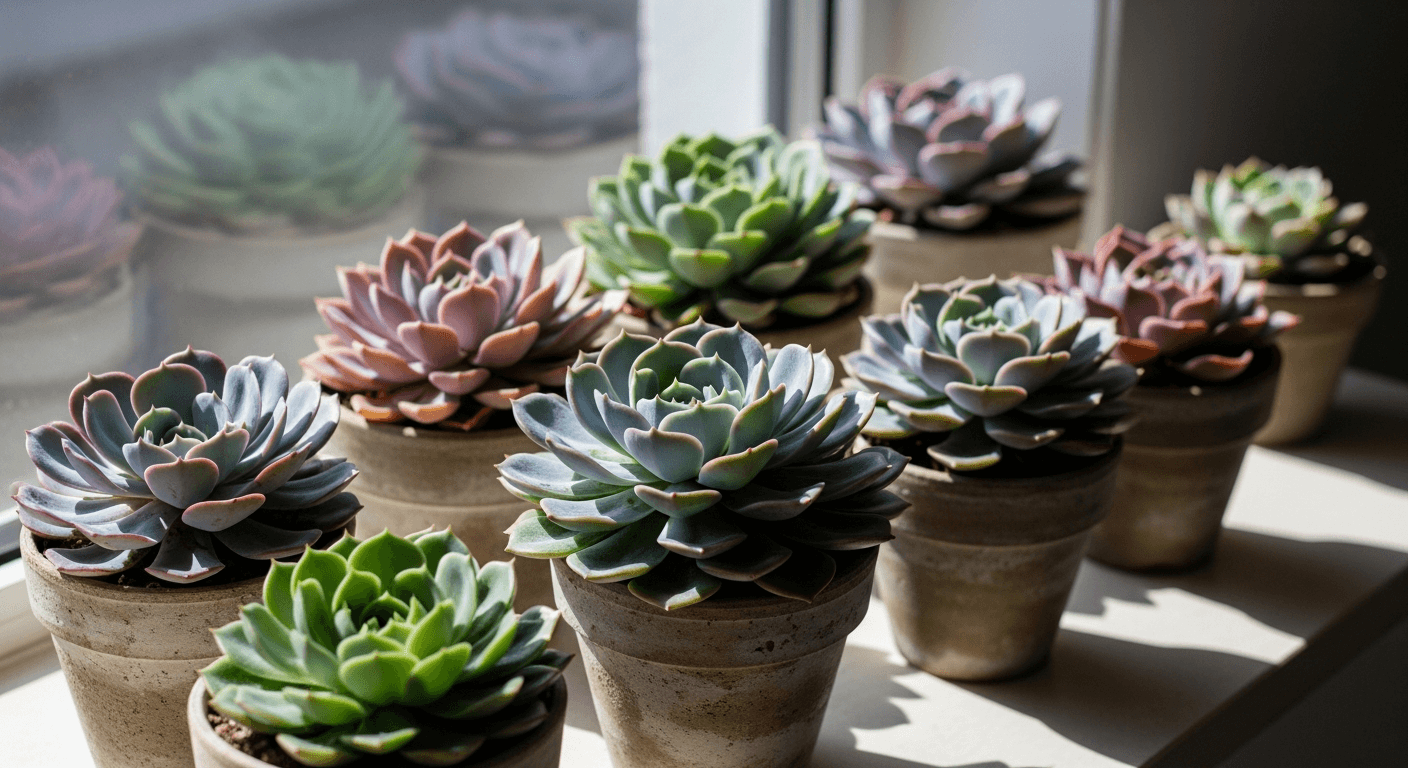
Succulents: Care So They Don't Stretch or Rot
Succulent care: how much light and water they need, which soil and pot, how to propagate from leaves, and why they stretch. The guide to keep them pretty.
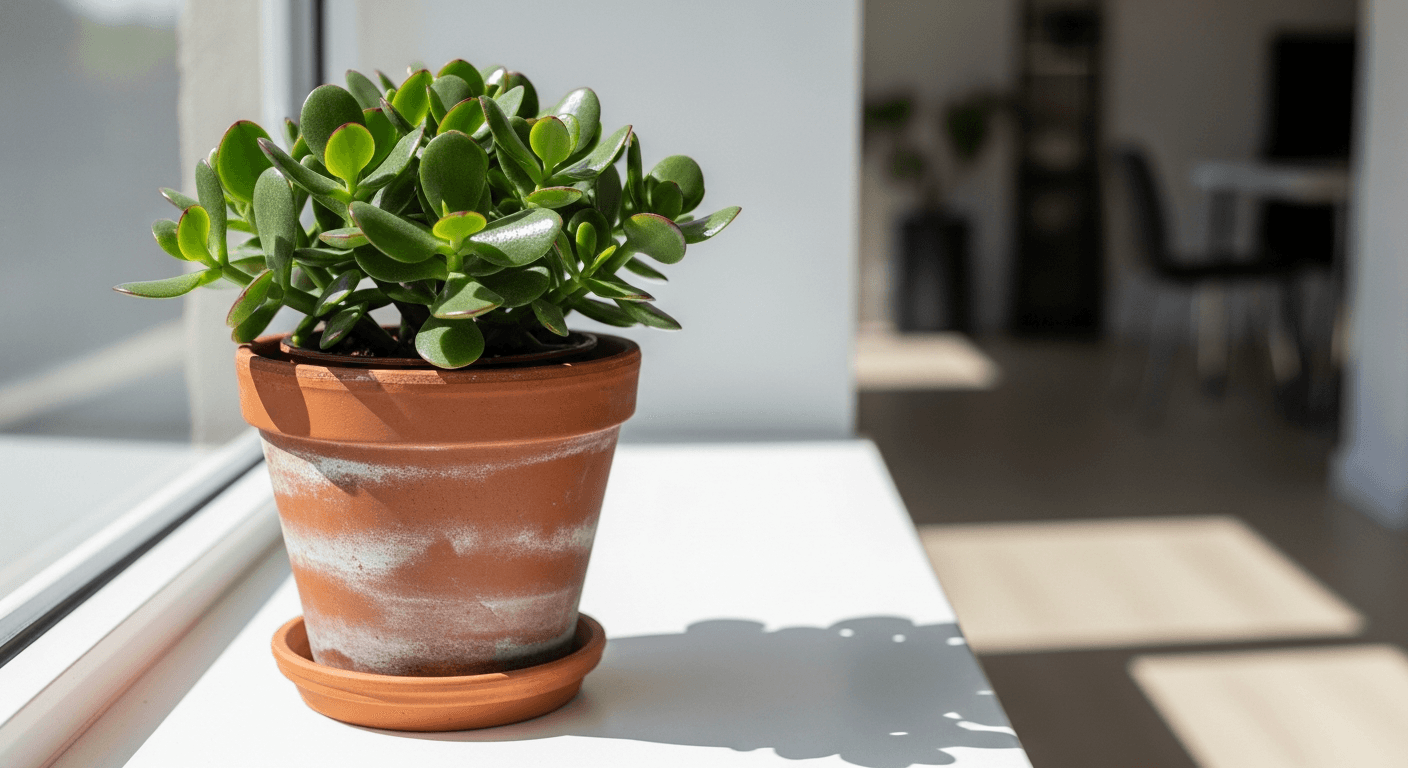
Jade Plant (Crassula ovata): Care Guide
How to care for the jade plant (Crassula ovata): lots of light, soak-and-dry watering, succulent soil, easy leaf and stem propagation, and toxicity to pets.
Trouble with your plant?
AI diagnosis