Lucky Bamboo: Not Bamboo, and Water Is Everything
Lucky bamboo (Dracaena sanderiana) care in water and soil: water quality (no chlorine), light, why it yellows, and how to arrange the stalks. Full guide.
In this article
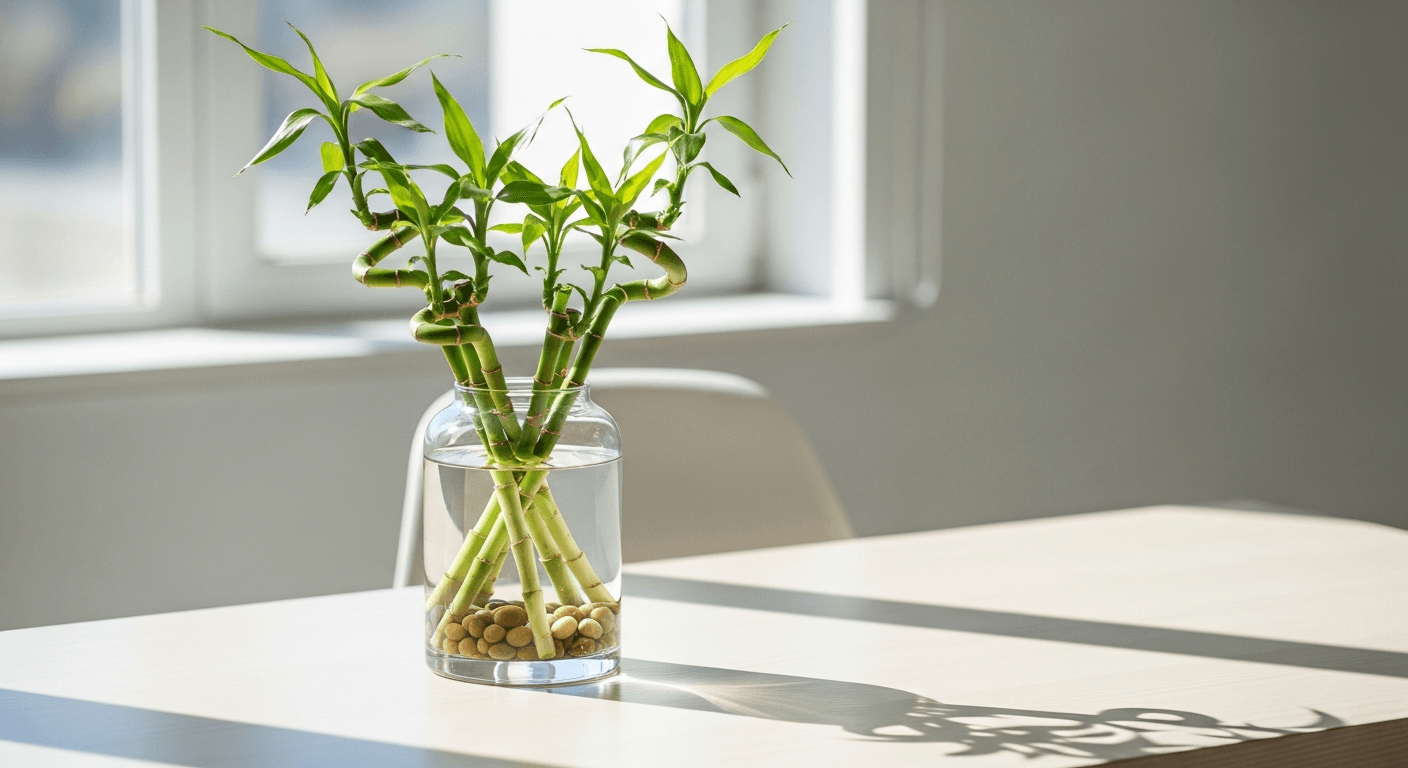
Lucky bamboo is one of the most popular green gifts, but it hides a little secret: it isn't bamboo at all. It's Dracaena sanderiana, a tropical plant grown with stripped stalks so they look like bamboo canes. Knowing this changes everything, because its care is that of a dracaena, not a grass. It's incredibly easy and can live in water for years.
| Care | Need |
|---|---|
| Light | Bright indirect, no direct sun |
| Water | Chlorine-free; change every 1-2 weeks |
| Temperature | 65-75 °F |
| Feeding | Very dilute drop in spring-summer |
| Toxicity | Mildly toxic to dogs and cats |
In water or in soil
You can keep it two ways:
- In water: the classic look, with the stalks standing on pebbles in a vase. Decorative and very easy.
- In soil: it grows more vigorously and lasts longer in a free-draining mix.
If you decide to move it to soil, do it carefully so you don't damage the roots, and keep the mix lightly moist.
Is your plant looking off and you are not sure why?
Free AI diagnosisThe key in water: water quality
This is almost the whole secret. Dracaena sanderiana is sensitive to the chlorine and fluoride in tap water, which scorch its leaf tips.
- Use filtered water, rainwater, or tap water left out for 24 hours (so the chlorine evaporates).
- Change the water every 1-2 weeks so it doesn't cloud over or grow algae.
- Always keep the roots covered: 1-2 inches of water is enough.
Basic care, point by point
Light
It wants bright, indirect light. Direct sun scorches its leaves and bleaches the stalks.
- Too much shade: it grows stretched, pale and weak.
- Direct sun: scorched tips and leaves.
A bright spot out of direct sun, such as near a curtained window, is ideal.
Temperature
Keep it in a warm, stable environment between 65 and 75 °F, away from cold drafts and the direct blast of heating or air conditioning.
Feeding
In water, the plant gets no nutrients from soil, so it appreciates a drop of very dilute liquid fertilizer (a quarter of the dose) every few weeks in spring and summer. Without feeding it will slowly yellow.
Arranging and curving the stalks
The spirals you see in shops are not natural: they're made by growing the stalk toward the light and rotating it little by little, a long, manual process. At home you can group several stalks and tie them with ribbon or wire to make arrangements, but don't expect them to curl on their own.
Propagation
You can make more plants from a healthy stalk. Cut a section that includes at least one node (the ring where leaves emerge), remove the lowest leaves, and stand it in clean water in bright, indirect light. Roots usually appear within a few weeks. Once they're a couple of inches long, you can keep it in water or pot it up in soil. Note that a cut top won't regrow from the same point, but the parent stalk will often push out a new side shoot below the cut.
The meaning of the stalks
Much of its popularity comes from feng shui, where the number of stalks is linked to different wishes. The most common are:
- 3 stalks: happiness, wealth and long life.
- 5 stalks: balance across the different areas of life.
- 8 stalks: prosperity and growth.
Symbolism aside, grouping several stalks simply looks great. Whatever the number, the care is exactly the same.
It isn't a real bamboo but a dracaena, and that explains much of its care. If the tips turn brown, it's almost always the fluoride and chlorine in tap water, the same problem the spider plant suffers; water left to stand overnight, or rainwater, solves it.
Common problems
- Brown tips: chlorine or fluoride in tap water, or very dry air. Switch to left-out or filtered water.
- Yellow stalks or leaves: too much sun, overfeeding, or stagnant, dirty water. If a whole stalk yellows from the base, it's usually a goner.
- Cloudy or smelly water: not enough water changes; clean it out and refresh.
Not sure whether the yellowing is from water, light or feeding? Upload a photo to our AI diagnosis tool to narrow down the cause. And since it's really a dracaena, our Dracaena care guide will come in handy.
Is it toxic?
Yes, mildly so for dogs and cats: like all dracaenas, it can cause vomiting and drooling if chewed. Keep it out of their reach.
With chlorine-free water, indirect light and the occasional dilute feed, lucky bamboo will be with you for years with minimal upkeep.
Related articles
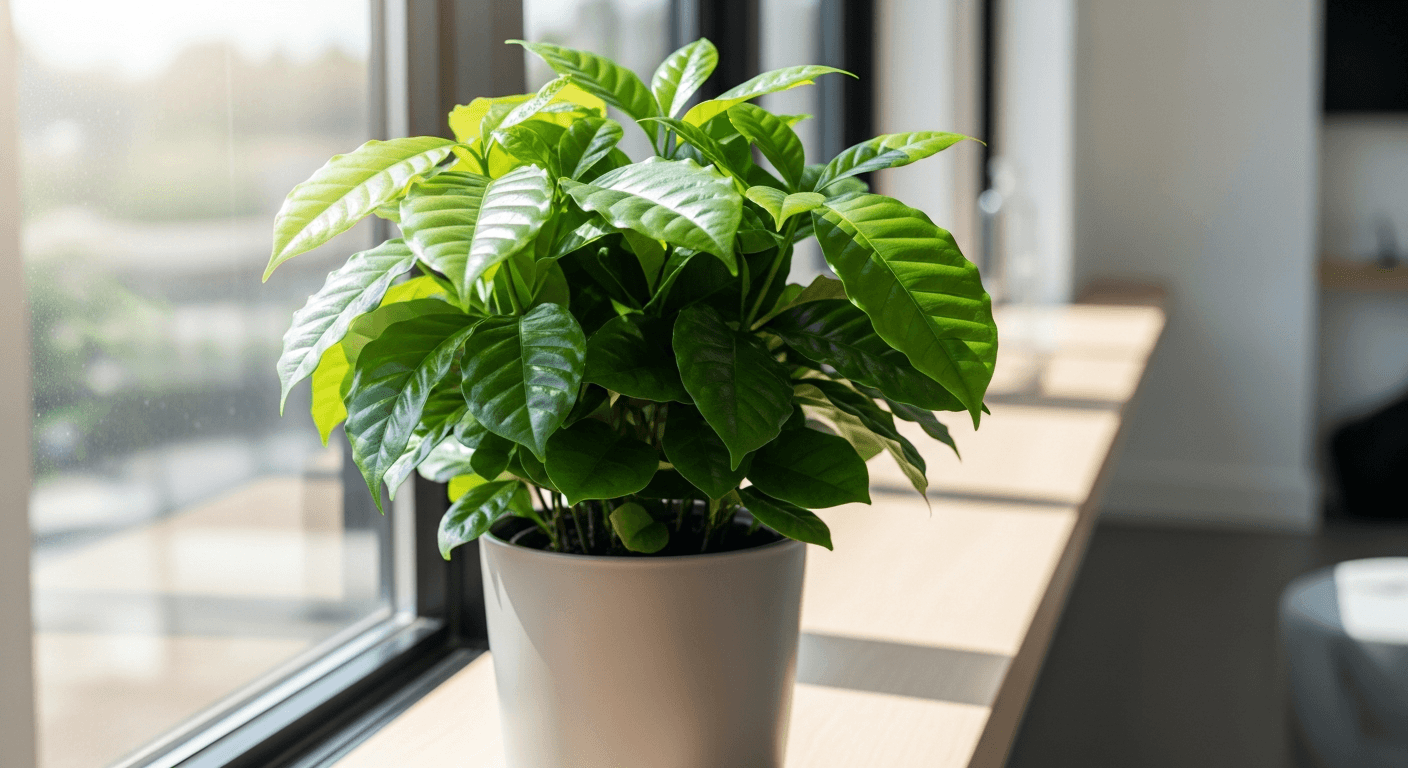
Coffee Plant Care: Growing Coffea at Home
Coffee plant (Coffea arabica) care as a houseplant: bright indirect light, humidity, watering, and whether you can really harvest your own coffee beans.
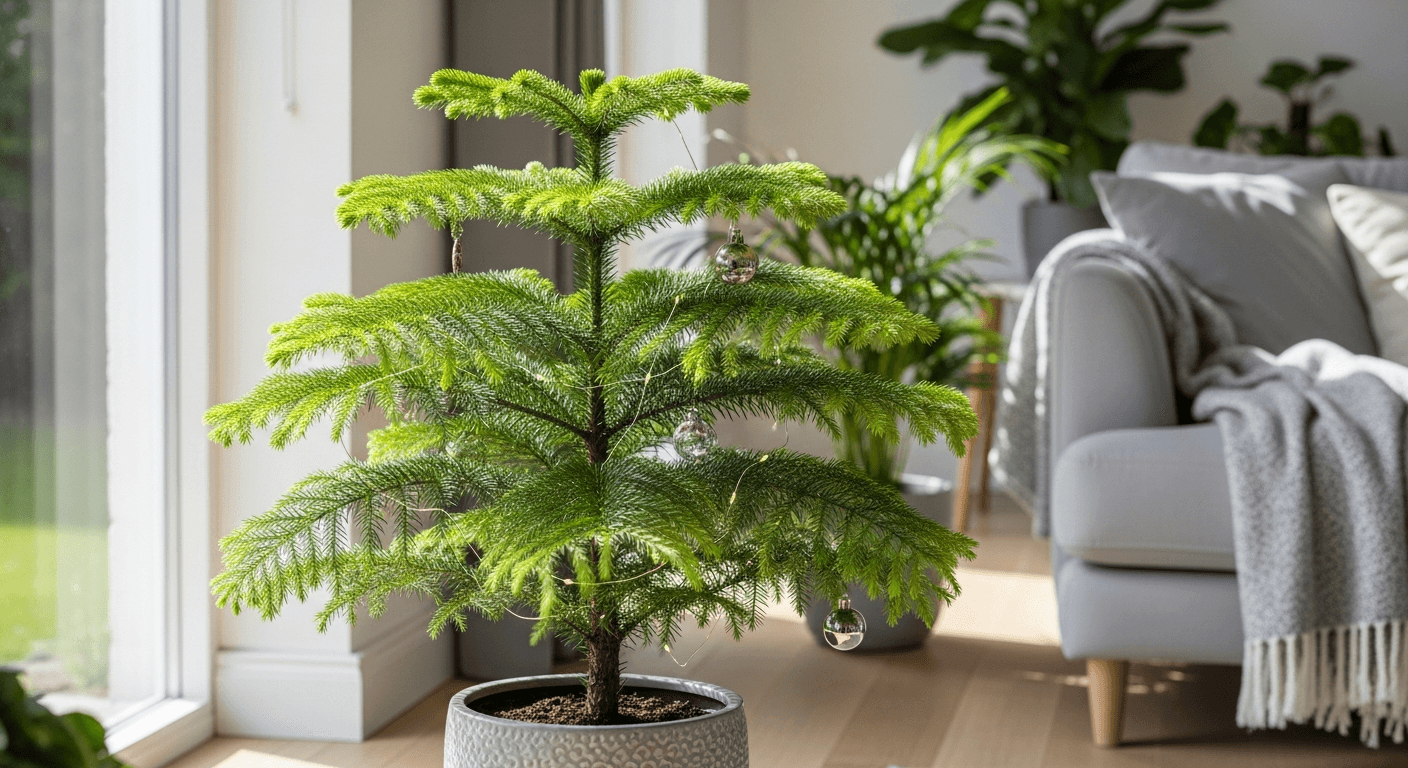
Norfolk Island Pine Care: The Living Christmas Tree
Norfolk Island pine (Araucaria heterophylla) care: light, watering, humidity and why its branches turn brown and drop. The living indoor Christmas tree guide.
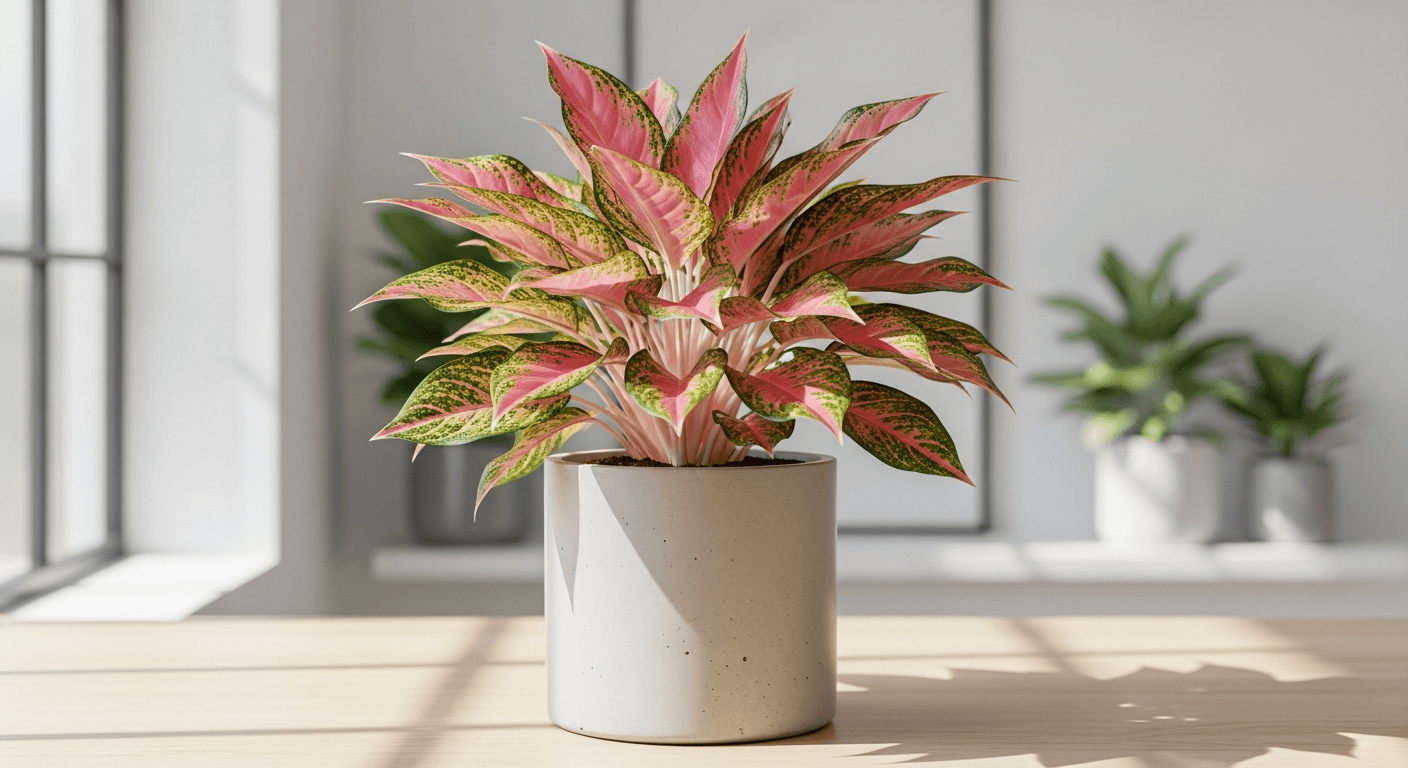
Aglaonema (Chinese Evergreen): The Complete Care Guide
Care guide for the Aglaonema or Chinese evergreen: light for the pink varieties, watering, humidity, propagation by division and its toxicity to pets.
Trouble with your plant?
AI diagnosis