Arugula in Pots: Peppery Leaves Ready in Three Weeks
Grow arugula (rocket) in pots: easy sowing, part shade, watering, cut-and-come-again harvest, and why it gets bitter in heat. Fresh peppery leaves in weeks.
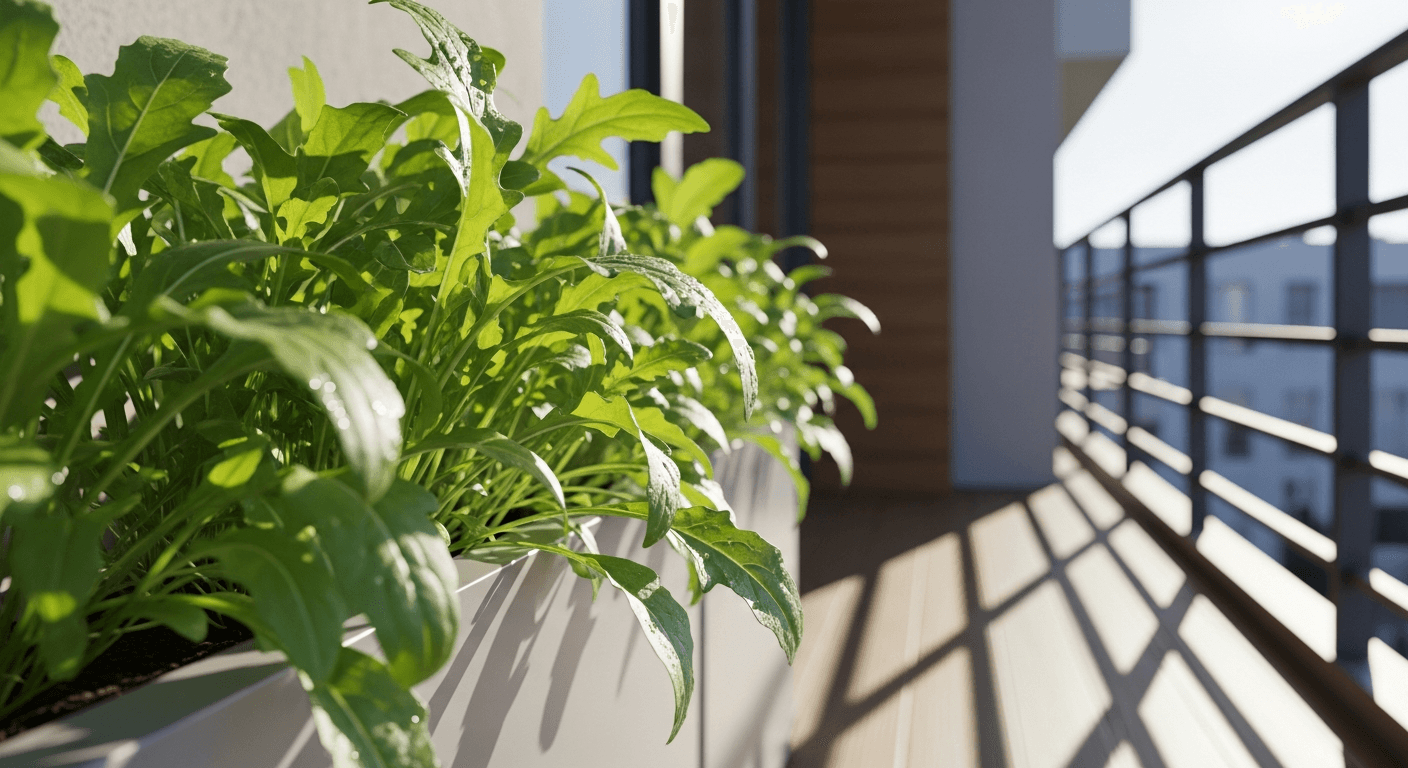
In this article
Arugula (rocket) is one of the most rewarding vegetables for starting a balcony garden: it germinates in days, grows fast and, if you cut it right, regrows several times. Its peppery, nutty flavor transforms any salad. Here's how to grow it in pots.
| Fact | Arugula in pots |
|---|---|
| Pot depth | 6-8 inches |
| Sowing | Direct, 1/4 inch, succession |
| Light | Part shade; afternoon shade in summer |
| Temperature | 50-68 °F |
| Harvest | 3-4 weeks; 2-3 cuts |
| Weak point | Turns bitter and bolts in heat |
A fast leafy crop
Arugula is a short-cycle leafy vegetable: from sowing to the first harvest can be just 3-4 weeks. That makes it perfect for pots and for learning, because you see results right away. Like lettuce, it prefers the cool weather of spring and autumn.
Is your plant looking off and you are not sure why?
Free AI diagnosisTwo kinds of arugula
In the shop you'll find seeds of two kinds, and it helps to know which you're buying:
- Cultivated arugula (Eruca sativa): broad leaves, fast growth and a milder flavor. It's the most common and the best to start with.
- Wild arugula (Diplotaxis): finer, more jagged leaves, slightly slower growth and a much stronger, peppery flavor. It handles heat better.
For a fast first harvest in pots, the cultivated type gives you more leaf and sooner; wild arugula is ideal if you want a punchy flavor and tougher plants.
How to grow it, point by point
Pot and soil
- Depth: 6-8 inches is plenty; its roots are shallow. A long planter box yields a lot.
- Soil: all-purpose mix with some compost; it appreciates soil rich in organic matter.
- Drainage: drainage holes in the base are essential.
Sowing step by step
- Sow directly, broadcast or in rows, covering the seeds with barely a quarter inch of soil.
- Water with a mister or fine-rose can so you don't wash them out.
- Germinates in 5-10 days.
- Thin the seedlings, leaving about 4-6 inches between those you keep for large leaves (or leave it dense for baby leaf).
- Successive sowing: a fresh handful every 2-3 weeks for a continuous harvest, so you never run out of fresh leaves.
Light, water and temperature
- Light: it tolerates part shade; in fact, in summer it appreciates afternoon shade. In full sun and heat it bolts quickly.
- Water: keep the soil consistently moist. If it dries out, the leaves come out tougher and more peppery.
- Temperature: ideal between 50 and 68 °F. Above 77 °F it tends to flower and turn bitter.
Cut-and-come-again harvest
This is the magic of arugula:
- Start harvesting when the leaves are 3-4 inches long.
- Cut the outer leaves with scissors, leaving the center intact, or shear the whole clump to 1-1.5 inches above the soil.
- In 1-2 weeks it regrows and you harvest again. It usually gives 2-3 cuts before it's spent.
- Pick in the morning, when the leaves are most turgid and tender.
Why it gets bitter and bolts
Arugula's great enemy is heat. When temperatures climb or it runs short of water, the plant bolts (sends up a flower stalk) and the leaves turn very peppery and bitter. To delay it:
- Give it shade during the hottest midday hours of summer.
- Water regularly, never letting it dry out.
- Harvest often: the more you cut, the longer it takes to flower.
The white flowers are edible, so when it bolts, enjoy them in a salad before pulling the plant.
Arugula slots into the same rotation as the rest of the cool-season greens: sow spinach and swiss chard at the same time and you'll get a varied salad from the same balcony for months, with different textures and flavors in every cut.
Common problems
- Holes in the leaves: usually the flea beetle; a fine mesh keeps it at bay.
- Slugs and snails in humid climates: check at night.
- Yellow leaves: overwatering or a nutrient shortage.
Enjoyed how easy it is? Step up to another cool-season green with our lettuce in pots guide. And if your leaves look off, upload a photo to the AI diagnosis.
Related articles
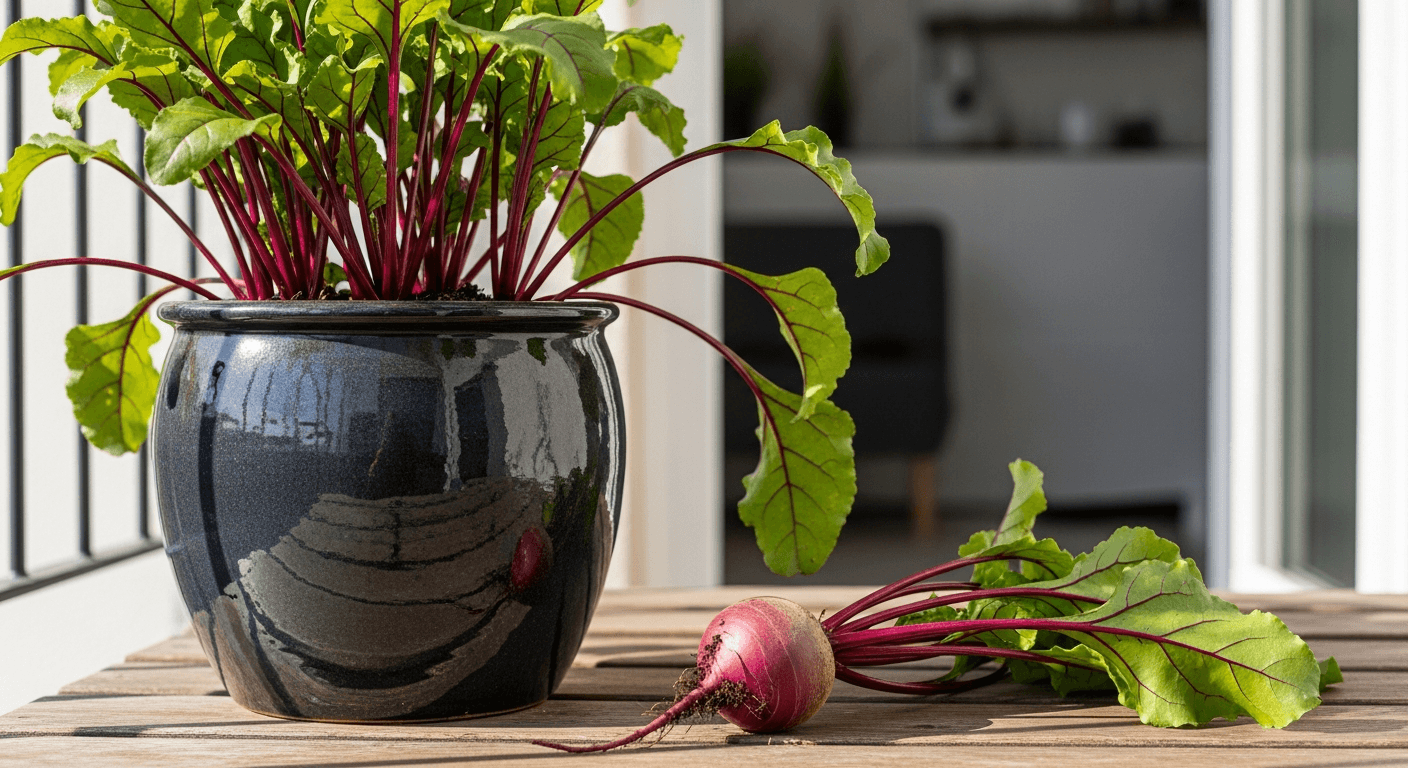
How to Grow Beets in Pots (Roots and Leaves)
Grow beetroot in pots: pot depth, thinning seedlings, steady watering and harvest. Discover that the leaves are edible too and absolutely delicious.
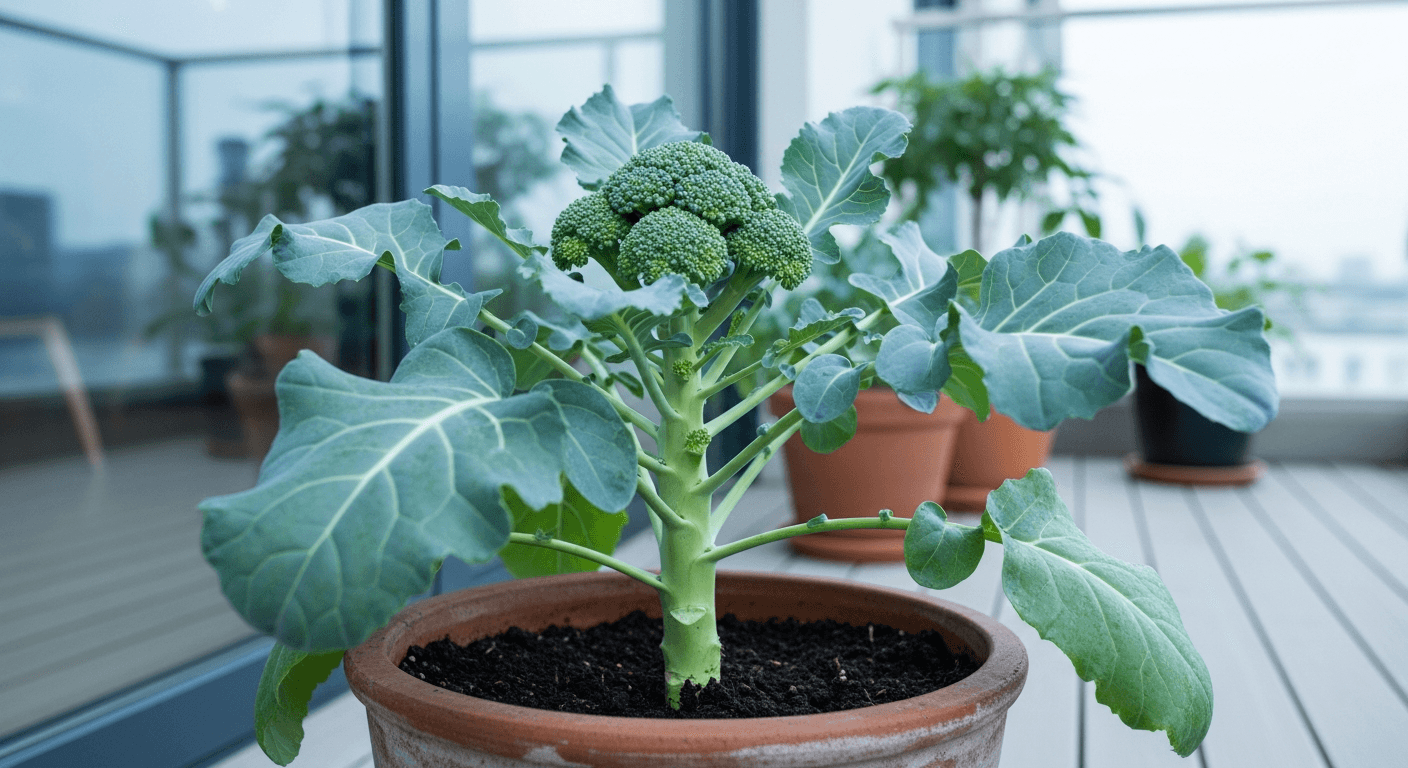
How to Grow Broccoli in Pots Step by Step
Grow broccoli in pots: a cool-season crop, a deep pot, sun, watering and harvesting the central head plus side shoots. Avoid the common pests and mistakes.
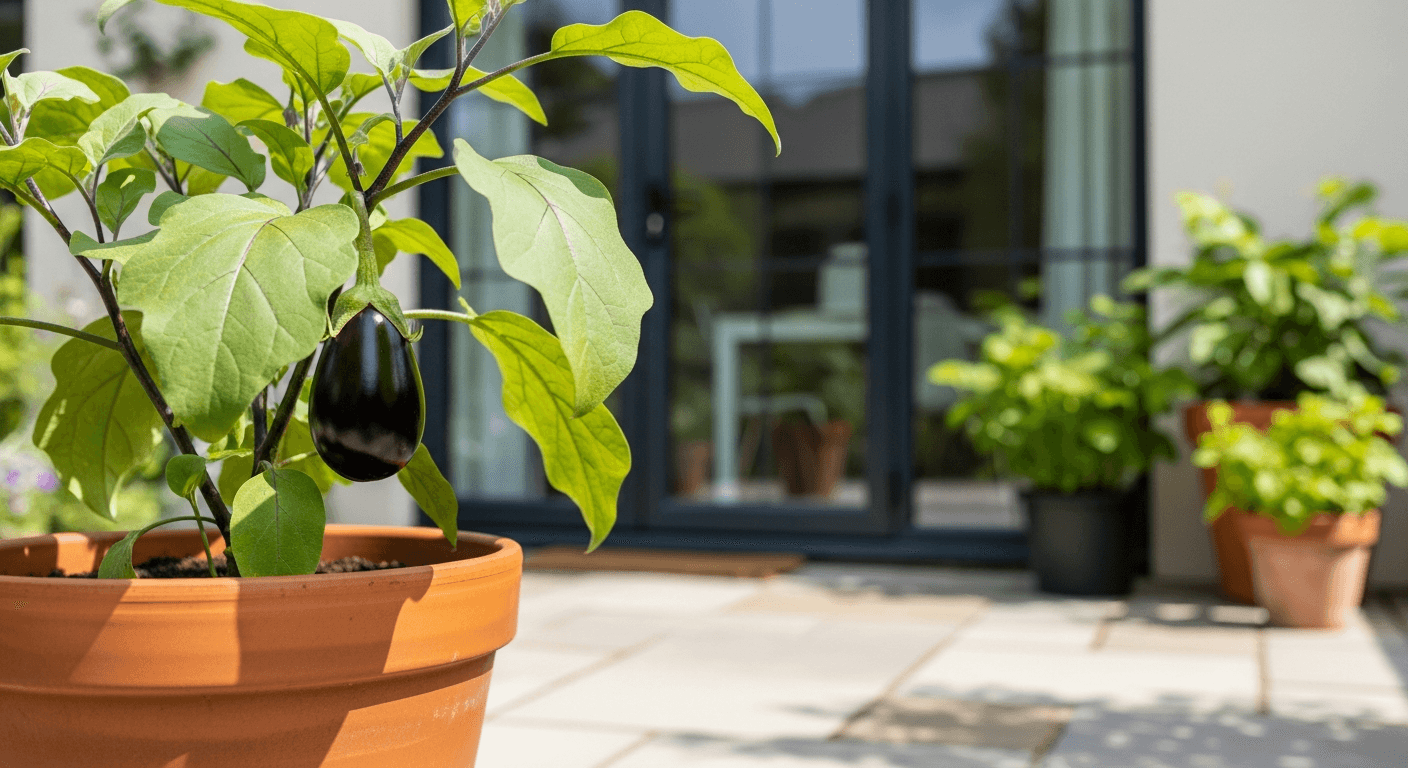
How to Grow Eggplant in Pots Step by Step
A guide to growing eggplant (aubergine) in pots: pot size, warmth and sun, staking, watering, feeding and when to harvest the glossy fruit. Great for balconies.
Trouble with your plant?
AI diagnosis