Jasmine: A Cool Winter Is What Makes It Flower
Indoor jasmine care: lots of bright light, a support to climb, watering, and the tricks to get those fragrant white blooms. Full houseplant guide.
In this article
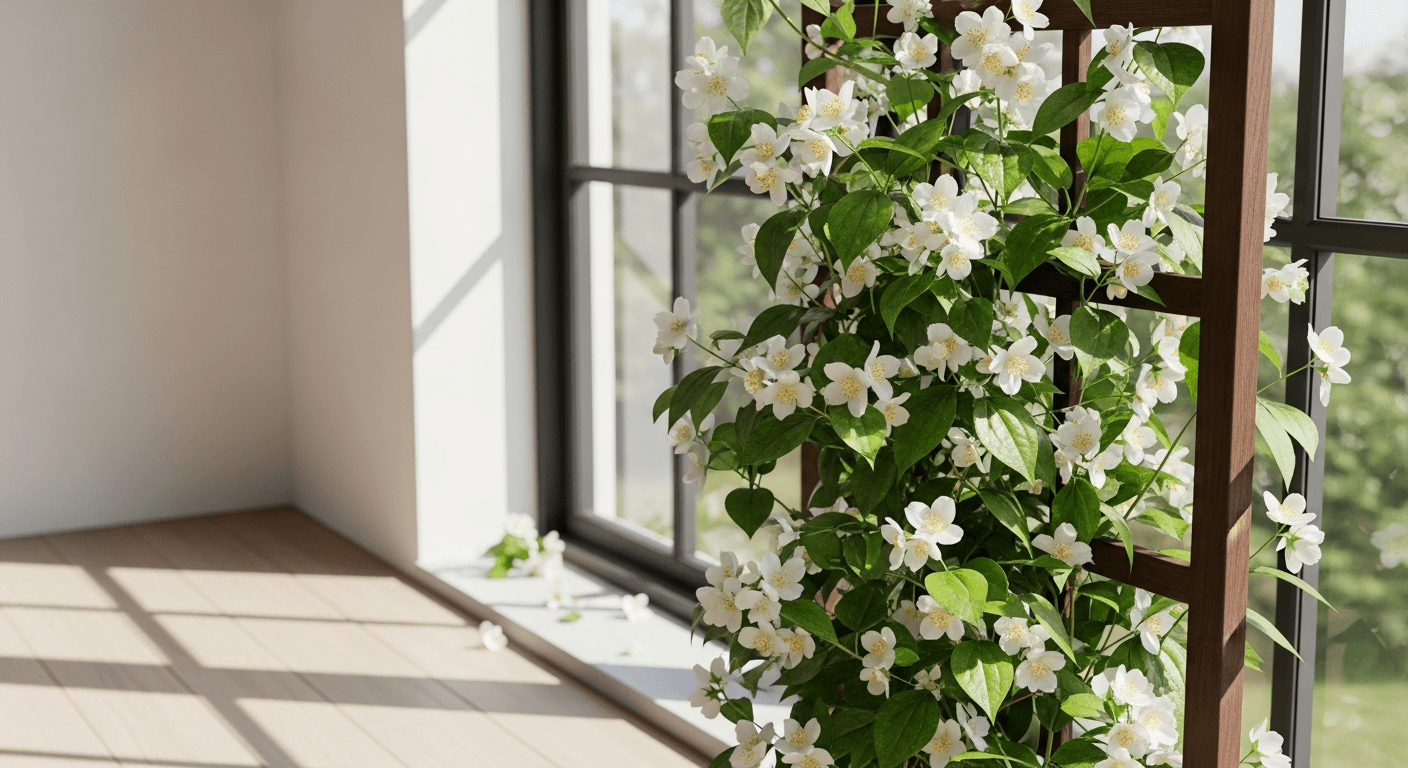
Few plants perfume a home or balcony like jasmine. Its small, star-shaped white flowers give off a sweet, unmistakable scent, especially at dusk. Several species go by the name "jasmine": the classic Jasminum officinale, Jasminum polyanthum (very common in pots), and star jasmine (Trachelospermum). They all share the same basic care.
Light: essential for flowering
Jasmine needs lots of light to bloom:
- Ideal: full sun or very bright light; a little gentle morning sun is perfect.
- Tolerates: strong indirect light next to a south- or east-facing window.
- Avoid: dim corners, where it grows but won't flower.
If your jasmine is leafy but flowerless, it most likely needs more light. To get a better feel for how much light each spot in your home gets, our indoor plant light guide will help.
Is your plant looking off and you are not sure why?
Free AI diagnosisA support to climb
Jasmine is a climber: it needs something to cling to. Put a trellis, hoop or some canes in the pot and train the stems as they grow. This keeps it tidy, encourages more abundant flowering and improves airflow through the plant.
Basic care, point by point
Watering
Keep the soil lightly moist during the growing season, without waterlogging:
- In spring and summer, water when the top inch is dry.
- In winter, water less, but don't let the rootball dry out completely.
- Always empty the saucer to keep the roots from rotting.
Humidity and temperature
It appreciates moderate-to-high humidity. If heating dries the air out, group plants together or use a humidifier. Most indoor jasmines prefer temperatures between 60 and 75 °F.
Key trick: many jasmines, like polyanthum, need a few weeks of cool autumn nights (50-60 °F) to set flower buds. Without that drop in temperature, they struggle to bloom in winter.
Feeding
In spring and summer, feed every 2-3 weeks with a potassium-rich fertilizer to encourage flowering. Stop feeding in winter, when the plant rests.
Pruning
The best time to prune is right after flowering. Trim the stems to shape the plant, remove dead growth and encourage new shoots, which will carry next season's flowers. Prune at the wrong time and you can lose the blooms.
Soil and repotting
Use a fertile, free-draining mix. Repot every 1-2 years in spring into a slightly larger pot when you see roots coming out of the drainage holes.
How to propagate it
Jasmine roots from cuttings in spring or summer:
- Cut a stem tip about 4 inches long, just below a node.
- Strip the lower leaves and keep two or three at the top.
- Plant it in a moist mix and keep it warm, with indirect light and good humidity (you can cover it with a clear bag).
- In a few weeks it will root and you can move it to its final pot.
This way you can have several plants for different spots, or give one to anyone who loves that scent.
Quick care table
| Care | Jasmine |
|---|---|
| Light | Full sun / very bright |
| Water | Lightly moist soil |
| Support | Yes (it's a climber) |
| Difficulty | Medium |
| Pets | Non-toxic (Jasminum) ✅ |
It shares a balcony and a hunger for sun with lavender and the geranium, the other two Mediterranean outdoor classics. If yours won't flower, the cause is almost always light: go over the light guide and find it the sunniest spot you have.
Common problems
- No flowers: not enough light, no cool autumn spell, or too much nitrogen.
- Yellow leaves: usually overwatering or hard, limy water.
- Sticky leaves or cottony tufts: aphids or mealybugs; check the undersides.
- Dry tips: air that's too dry.
Not sure if it's water, a pest or light? Upload a photo to our AI diagnosis tool to identify the cause before you treat it.
Is it toxic?
True jasmine (Jasminum) is non-toxic to dogs and cats, making it a safe choice. A word of caution: "night-blooming jasmine" (Cestrum nocturnum) is a different plant and is toxic, so make sure of the species you're buying.
With plenty of light, a good support and a cool autumn rest, your jasmine will fill the home with white flowers and that unmistakable perfume. Yours looking off? Try the AI diagnosis tool.
Related articles
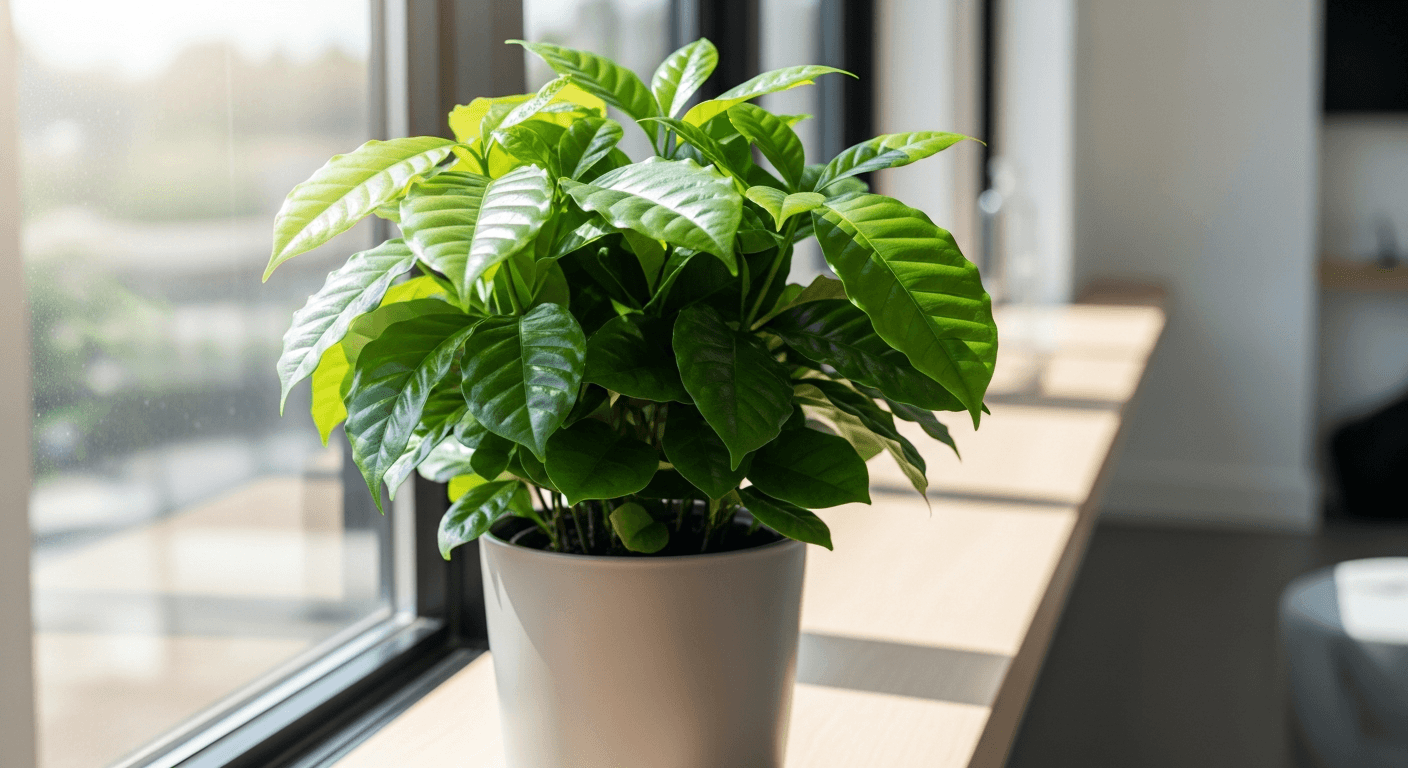
Coffee Plant Care: Growing Coffea at Home
Coffee plant (Coffea arabica) care as a houseplant: bright indirect light, humidity, watering, and whether you can really harvest your own coffee beans.
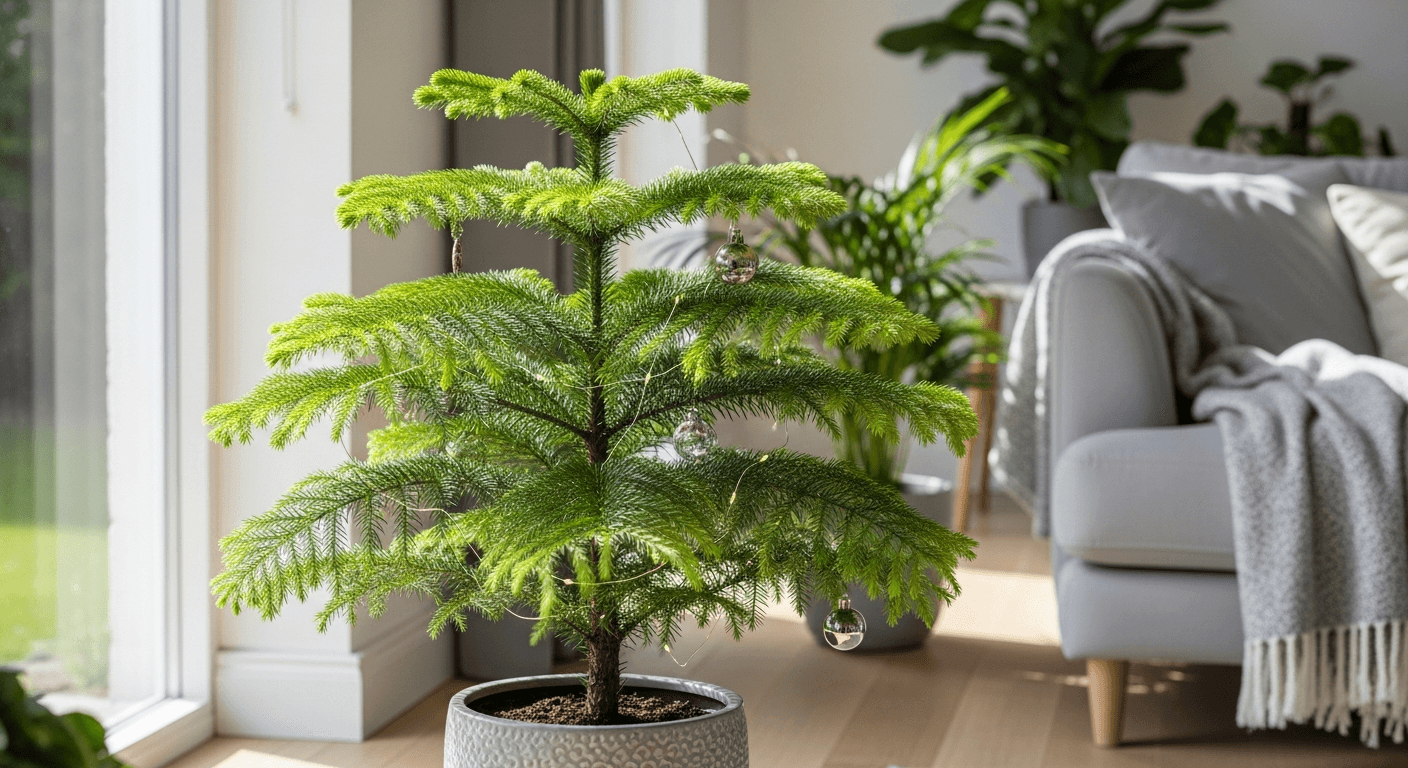
Norfolk Island Pine Care: The Living Christmas Tree
Norfolk Island pine (Araucaria heterophylla) care: light, watering, humidity and why its branches turn brown and drop. The living indoor Christmas tree guide.
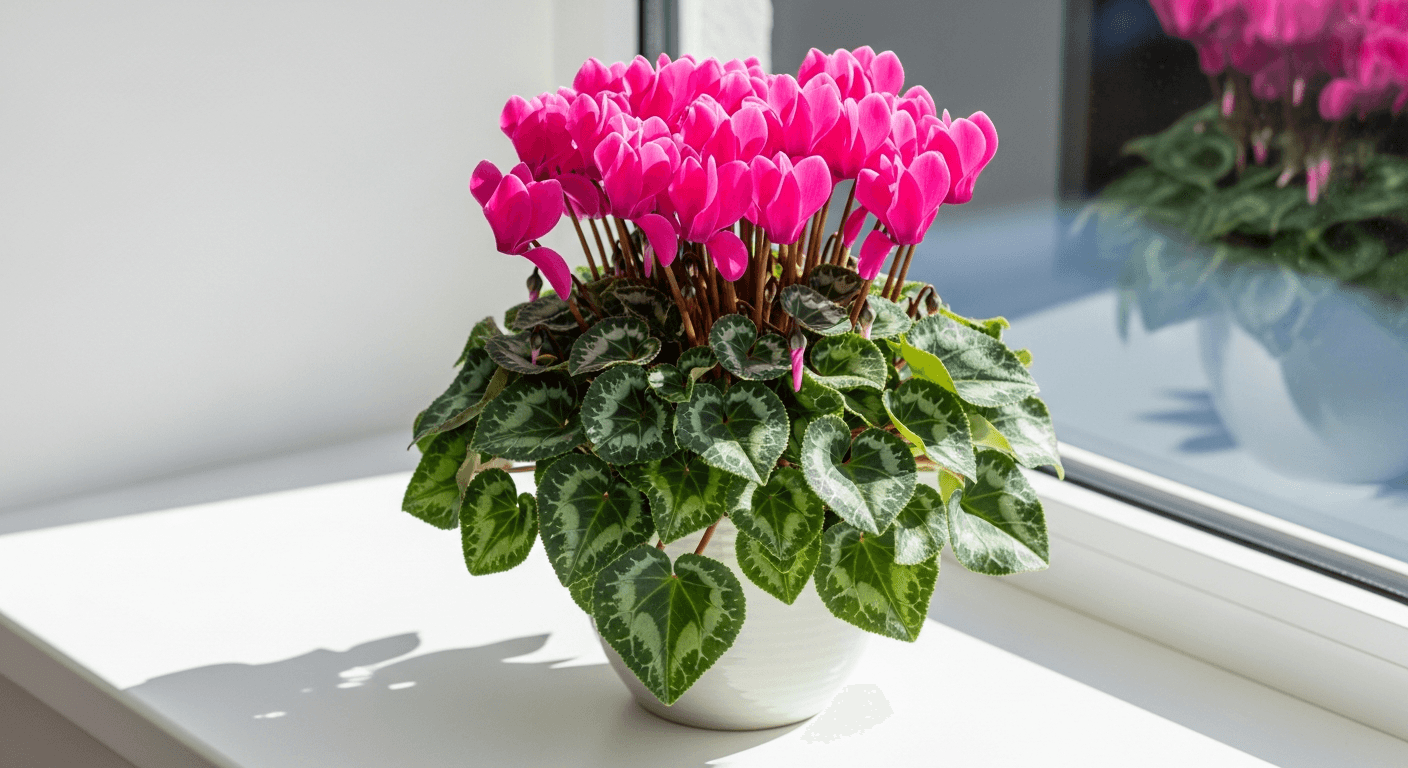
Cyclamen Care: Keep It Blooming All Winter
Cyclamen care so it blooms all winter: cool temperatures, light, watering from below to avoid crown rot, and how to handle its summer dormancy.
Trouble with your plant?
AI diagnosis