Alocasia: Dramatic Leaves and a Dormancy That Alarms
How to care for alocasia (elephant ear, Polly): bright indirect light, consistent watering, high humidity, winter dormancy, pests, and toxicity to pets.
In this article
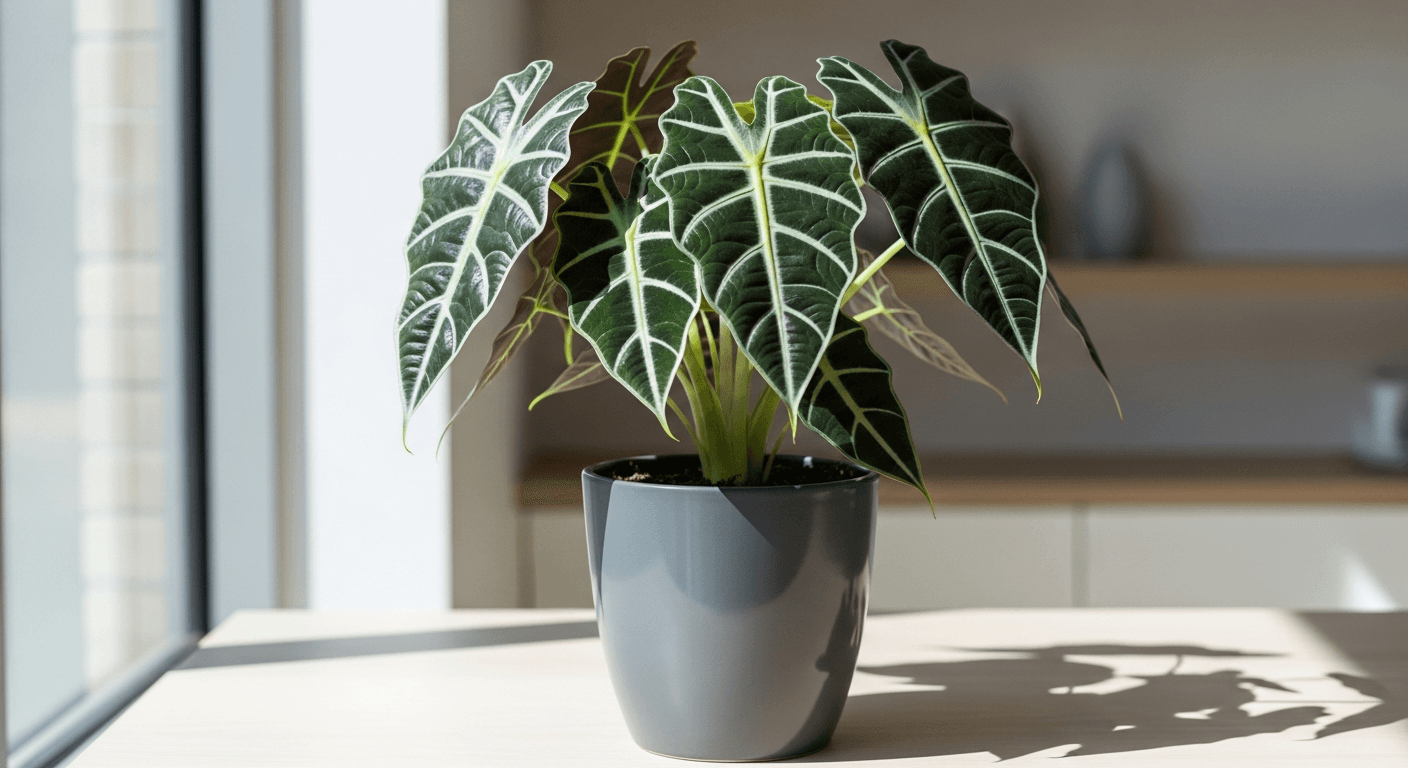
Alocasia, the plant we lump together as "elephant ear," produces some of the most architectural foliage you can grow indoors: large, arrow- or shield-shaped leaves held on upright stems, with bold veins and a finish that ranges from velvety matte to high gloss. The famous Alocasia 'Polly' (often sold as amazonica) has near-black leaves carved by silvery-white veins. It is genuinely spectacular, and it is also the plant I get the most panicked messages about. The good news: once you understand why alocasia behaves the way it does, the care stops feeling like guesswork and starts feeling like a recipe.
I grow several alocasias in my collection alongside the carnivorous plants, and the thing I want you to internalize first is this: an alocasia that drops a leaf is not dying. It is a jungle tuber that sheds and regrows foliage constantly in response to its environment. Your job is to keep more leaves coming up than are coming down. Let me walk you through exactly how.
Why alocasia is "demanding" — the biology behind it
Alocasia grows from a fleshy underground rhizome or corm and comes from the warm, humid understory of Southeast Asian rainforests. That single fact explains almost everything about its care. In the wild it sits in dappled light, in air that rarely drops below 60% humidity, in warm soil that is consistently moist but never stagnant, because rainforest substrate drains fast.
Indoors, we routinely break three of those conditions at once: our air is dry (especially with heating or air conditioning running), our light is dimmer than we think, and our potting mix holds water far longer than leaf litter on a forest floor. The plant responds the only way it can — by sacrificing leaves to conserve resources. So when you read "demanding," translate it as intolerant of inconsistency. Nail the consistency and an alocasia is honestly not that hard.
Is your plant looking off and you are not sure why?
Free AI diagnosisBasic care, point by point
Light
Alocasias want bright, indirect light — the brightest spot in the room that does not put harsh midday sun directly on the leaves.
- Ideal: right beside an east-facing window, or a few feet back from a south/west window with a sheer curtain. Aim for several hours of bright, filtered light a day.
- Tolerates: medium light, but growth slows dramatically and new leaves come in smaller and farther apart.
- Avoid: harsh, direct afternoon sun, which scorches the thin leaves and bleaches the color (especially on dark-leaved varieties like 'Polly' or 'Black Velvet').
A reliable sign you are too dark: long, stretched petioles (leaf stems) that lean hard toward the window and new leaves that are noticeably smaller than the old ones. Rotate the pot a quarter-turn each time you water so it grows evenly instead of lopsided. If your home is genuinely dim, a basic LED grow light for 10-12 hours a day transforms these plants. For a deeper look at reading light levels in your own rooms, see our guide on indoor plant light.
Watering
This is where I see the most damage, almost always from overwatering. Alocasia wants the mix evenly moist during active growth, but the corm rots with frightening speed if it sits in soggy substrate.
A simple, repeatable routine:
- Push a finger into the soil. When the top 1-1.5 inches (2-4 cm) have dried, water.
- Water thoroughly until it runs from the drainage holes, so the whole root ball is moistened.
- Empty the saucer within 15-20 minutes. Standing water against the roots is the single fastest route to rot.
- Never let the mix dry out completely either — the corm survives a brief drought, but the leaves wilt fast and may not recover.
Water needs swing wildly with the season. In summer a thirsty, fast-growing alocasia in good light might need water twice a week; in winter the same plant might go ten days or more. Follow the soil, not the calendar. A cheap moisture meter or just your finger beats any fixed schedule.
One more thing: alocasias are sensitive to chlorine, chloramine and hard water, which can contribute to brown leaf edges. If your tap water is heavily treated, use filtered or rainwater, or leave tap water out overnight before using it.
The mental model that fixed alocasias for me: keep it moist but breathing. The mix should feel like a wrung-out sponge, with air pockets, never like wet clay.
Humidity is non-negotiable
If there is one variable that separates a thriving alocasia from a sad stick, it is humidity. These plants want 60% or higher, and they tell you immediately when air is too dry: crispy brown leaf tips and edges, and a magnet-like attraction for spider mites.
Practical ways to raise it, roughly in order of effectiveness:
- A humidifier is the gold standard. Run it near the plant during the day. Nothing else comes close for consistency.
- Group plants together. A cluster of foliage creates its own moister microclimate.
- A pebble tray (a shallow tray of water and stones the pot sits on top of, not in) gives a modest local boost.
- Choose a naturally humid room — many people have the best luck with alocasias in a bright bathroom or kitchen.
Misting is the popular suggestion, and honestly it does very little — the effect evaporates in minutes and lingering water on leaves can encourage fungal spots. Skip it in favor of a humidifier. For the full toolkit, our humidity for plants guide goes deep on getting numbers up reliably.
And keep it warm: ideally 65-80 °F (18-27 °C). Below about 60 °F (15 °C) the plant stalls; cold drafts and chilly windowsills in winter are a common cause of sudden leaf loss.
Soil and pot
Alocasia needs a chunky, fast-draining but moisture-retentive mix — the seeming contradiction is the whole point. You want a substrate that holds water on the surfaces of its particles but lets excess drain away instantly, leaving air around the corm.
A mix I use and recommend:
- ~40% coco coir or quality peat-based potting soil (holds moisture)
- ~30% perlite or pumice (drainage and air)
- ~20% orchid bark (structure and air pockets)
- ~10% worm castings or compost (gentle nutrition)
Plain bagged potting soil straight from the store stays too wet for these — amend it. More on building the right blend in our potting soil guide.
For the pot, drainage holes are mandatory, and resist the urge to size up generously. Alocasia likes to be a little snug; a pot only 1-2 inches wider than the root ball means the corm isn't surrounded by a reservoir of unused, perpetually wet soil. If you love a decorative pot without holes, use it as a cachepot with a draining nursery pot inside. Our choosing a pot article covers material and sizing trade-offs.
Light, water and humidity at a glance
| Need | Target | What "wrong" looks like |
|---|---|---|
| Light | Bright indirect; sheer-filtered sun | Stretched stems, small new leaves (too dark); bleached/scorched patches (too much sun) |
| Water | Top 1-1.5 in dries, then soak; empty saucer | Yellow, mushy lower leaves (too wet); fast wilting, dry corm (too dry) |
| Humidity | 60%+ | Crispy brown tips and edges; spider mites |
| Temperature | 65-80 °F (18-27 °C) | Stalled growth, sudden leaf drop below 60 °F |
| Soil | Chunky, fast-draining, airy | Slow drainage, sour smell, rot |
Winter dormancy — it is not dead
This catches almost everyone the first year. As days shorten and temperatures fall, many alocasias go dormant: they drop leaf after leaf and can end up as nothing but a bare corm in the pot. People panic and throw out a perfectly healthy plant.
Here is the test: gently squeeze the corm. If it is firm, the plant is alive and resting. If it is soft, brown and mushy, that is rot, and that is a different story (see below).
To carry a dormant alocasia through winter:
- Cut watering way back — just enough to keep the corm from shriveling, perhaps a small drink every couple of weeks.
- Keep it warm and bright; do not banish it to a cold corner.
- Stop fertilizing entirely.
- Be patient. When light and warmth return in spring, it will push new growth, often more vigorously than before.
Not every alocasia goes fully dormant — in a warm, bright, humid home with grow lights, many keep their leaves year-round. Our winter plant care guide has the broader seasonal playbook for tropicals.
Feeding and repotting
During the growing season (spring and summer), alocasias are hungry. Feed every 2-3 weeks with a balanced liquid fertilizer diluted to half strength. Always feed onto already-moist soil, never bone-dry roots, to avoid burning them. As light and temperature drop in autumn, stop feeding — fertilizing a dormant or resting plant just builds up salts that scorch the roots.
Repot in spring, every 1-2 years, stepping up only one pot size. Spring repotting is also the moment to propagate, because alocasia multiplies by producing small offset corms (sometimes called "pups" or "bulbils") around the parent.
To divide:
- Unpot and gently tease the soil away from the corm so you can see the offsets.
- Find the firm little side corms with their own roots, and separate them by hand, or cut cleanly if needed.
- Pot each offset into its own small container of the airy mix above.
- Keep them warm, humid and barely moist — even a clear bag or propagation box helps maintain humidity while they establish. New leaves can take several weeks, so don't give up early.
You can also pot up loose, rootless corms; they look dead but will frequently sprout if kept warm and lightly moist.
Pests
A stressed, dry-air alocasia is a beacon for spider mites — by far the most common pest these plants get. Fine pale stippling on the leaves and delicate webbing in the leaf joints are the tell. Because mites explode in dry warmth, raising humidity is both prevention and part of the cure. Catch them early; our spider mites guide walks through treatment step by step.
The other regular offenders are mealybugs (white cottony tufts where leaf meets stem) and scale. Inspect the undersides of leaves and the leaf axils every week or two while you water — early detection makes all of these trivial to handle. Wiping leaves down also keeps stomata clear and lets you spot trouble; see cleaning leaves.
Troubleshooting: symptom, cause, fix
| Symptom | Likely cause | Fix |
|---|---|---|
| Brown crispy tips and edges | Low humidity (or hard/chlorinated water) | Raise humidity to 60%+, switch to filtered water |
| Lower leaves yellowing and going soft | Overwatering / soggy mix | Let the top dry more, check drainage, inspect corm for rot |
| Several leaves yellow and drop in autumn | Natural dormancy | Cut back water, keep warm and bright, wait for spring |
| Whole plant wilts, soil bone-dry | Underwatering | Soak thoroughly; bottom-water if the mix has gone hydrophobic |
| Pale stippling and fine webbing | Spider mites | Treat early, raise humidity |
| Soft, brown, mushy corm | Root/corm rot | Unpot, cut away rot, repot the firm tissue in fresh airy mix |
| New leaves small, stems stretching | Too little light | Move brighter or add a grow light |
If you are staring at a struggling plant and genuinely cannot tell whether it is water, humidity, dormancy or a pest, that is the perfect job for our AI photo-diagnosis tool — snap a clear shot of the affected leaves and it will help narrow the cause.
A couple of behaviors that look like problems but are not: guttation, those little water droplets on leaf edges in the morning, is completely normal and simply means the plant is well-hydrated. And dark mineral-y residue where droplets dried is just that — wipe it off.
Is alocasia toxic?
Yes, meaningfully so. Like its relatives dieffenbachia and anthurium, alocasia is loaded with insoluble calcium oxalate crystals. Chewing any part releases them, causing intense burning and irritation of the mouth, lips, tongue and throat, drooling, and possible swelling — in pets and curious children alike. It is rarely life-threatening but genuinely painful. Keep these plants out of reach of cats, dogs and toddlers, and wash your hands after handling cut tissue or sap.
In short
Bright filtered light, a chunky mix kept moist but airy, water that follows the soil rather than the calendar, warmth, and above all plenty of ambient humidity. Respect the winter rest instead of fearing it, keep an eye out for spider mites, and an alocasia will reward you with foliage no other houseplant can touch. Treat the dropped leaf as feedback, not failure, and you will find this "difficult" plant is really just a creature of habit.
Related articles
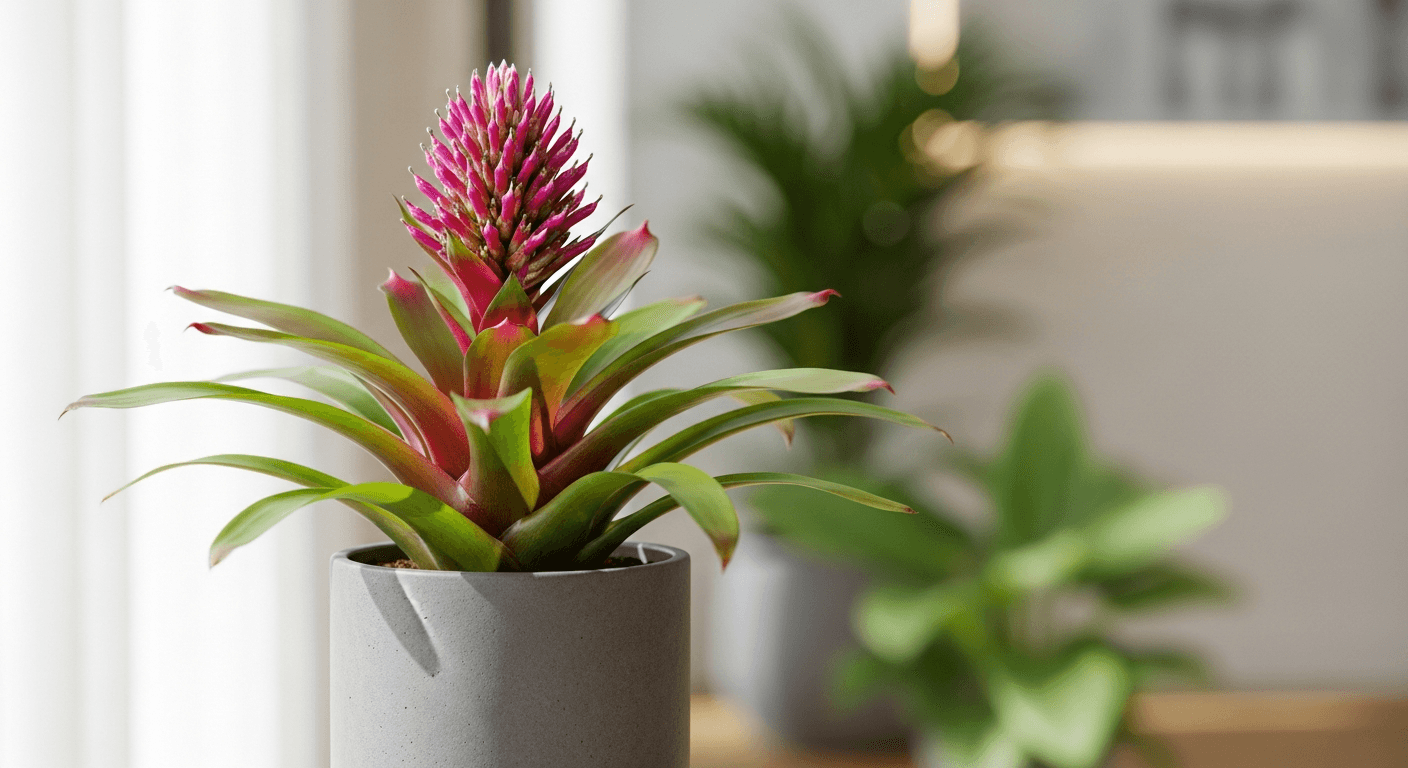
Bromeliad Care: Watering the Central Cup and Pups
Bromeliad care: watering the central cup, bright indirect light, humidity and what to do with the pups when the plant flowers and dies. Full guide.
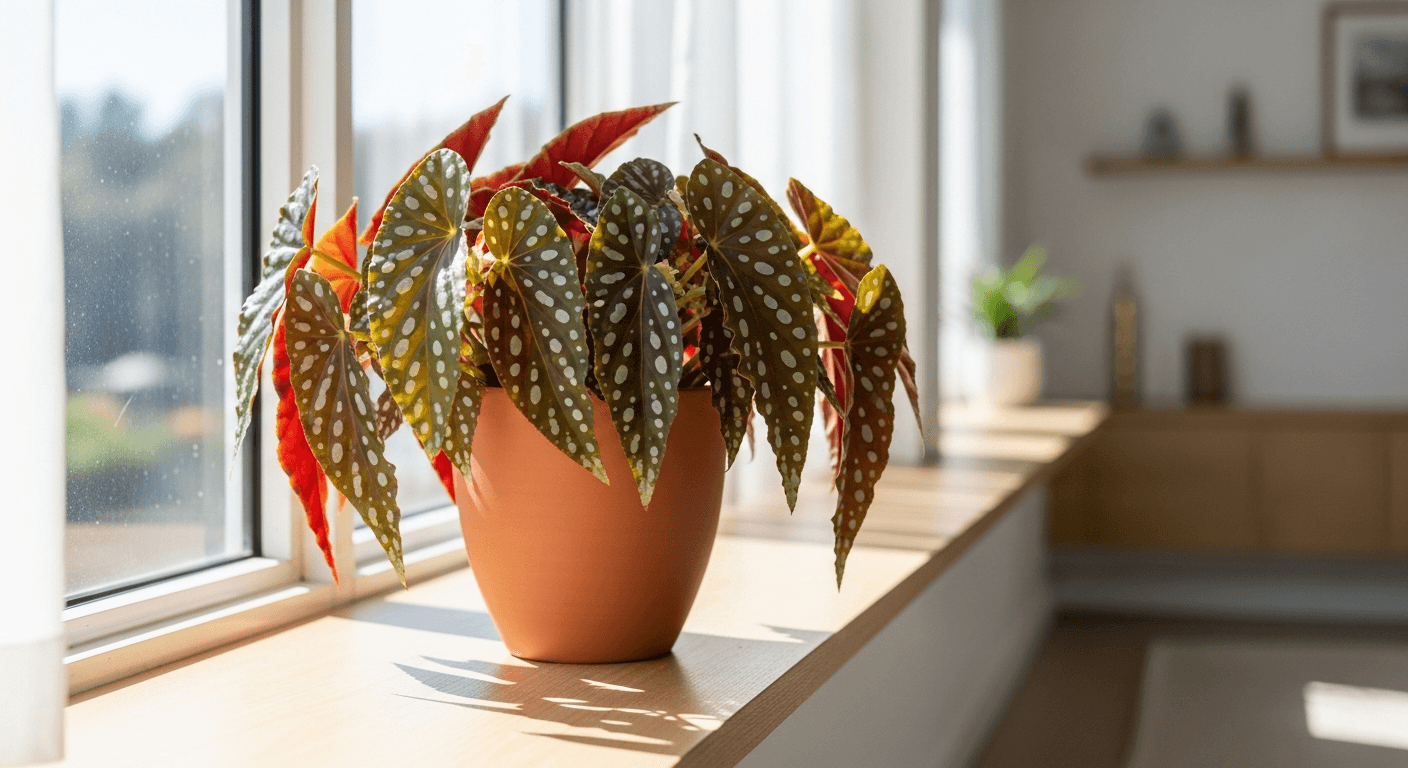
Begonia Care: Rex and Maculata (Polka Dot) Begonias
Begonia rex and maculata care: bright indirect light, watering without wetting the leaves, humidity, propagation and why it's toxic to pets. Full guide.
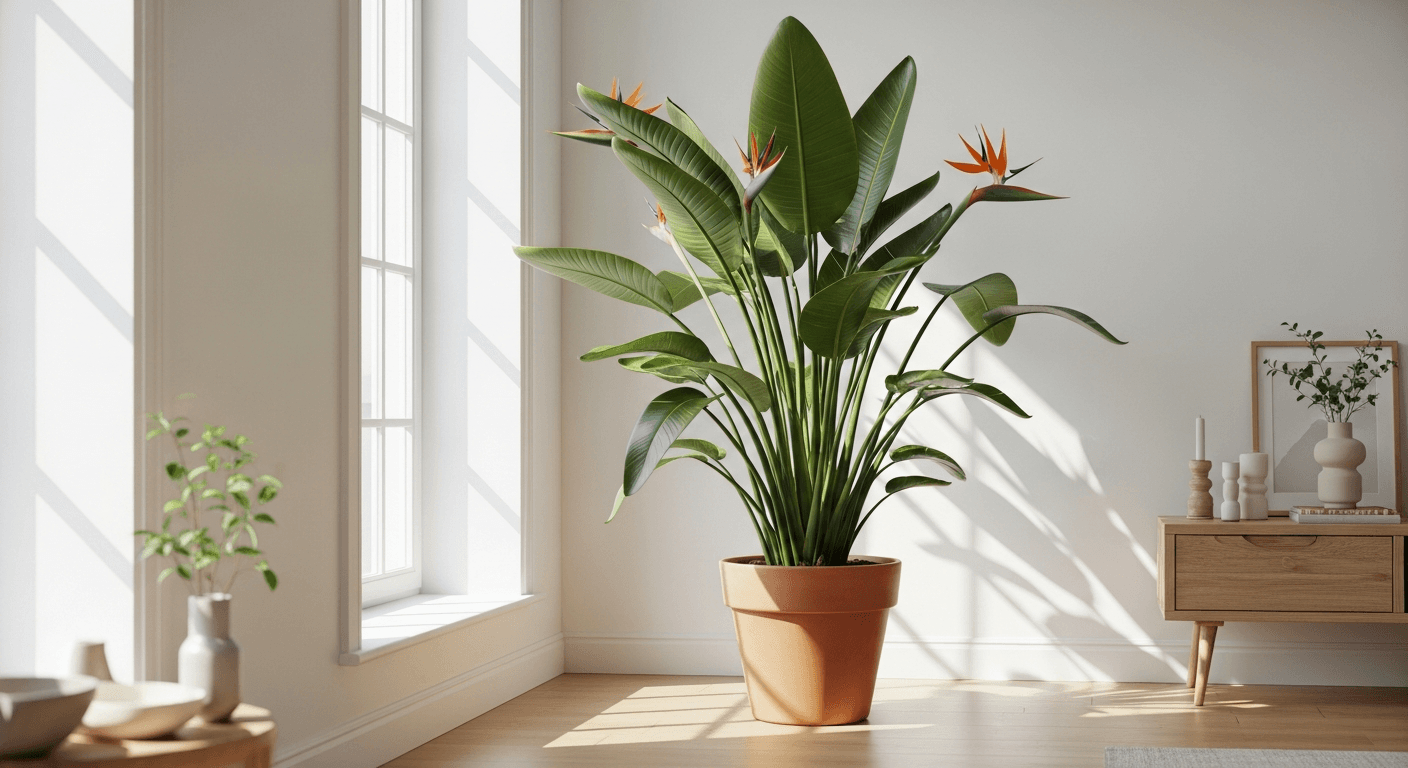
Bird of Paradise (Strelitzia): Care, Light and How It Blooms
Strelitzia (bird of paradise) care: lots of bright light, watering, why the leaves split naturally, and how to get it to bloom indoors. Full guide.
Trouble with your plant?
AI diagnosis