Boston Fern: Humidity, or Brown Fronds
Boston fern care: humidity is the key, watering, indirect light, why fronds turn brown and crispy, and the fact that it's safe for pets.
In this article
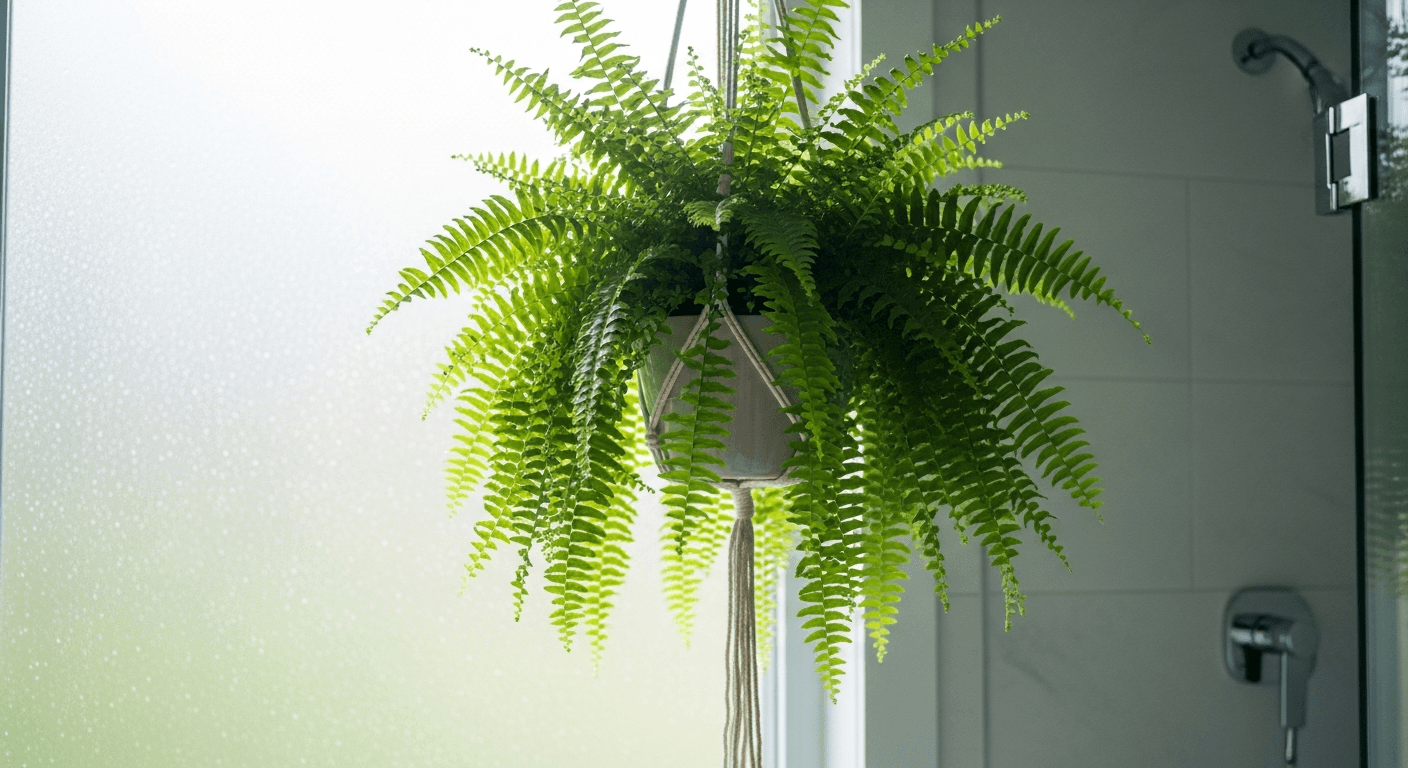
The Boston fern (Nephrolepis exaltata) is the most popular indoor fern, and for good reason: its green, arching, feathery fronds bring a jungle freshness to any corner. It has a reputation for being fussy, but it all comes down to one word: humidity.
| Care | Need |
|---|---|
| Light | Bright to medium indirect |
| Watering | Soil kept slightly moist at all times |
| Humidity | High, above 50-60% |
| Temperature | 60-75 °F |
| Toxicity | Safe for dogs and cats |
Why humidity is everything
In the wild it lives in damp, shady forests. Indoors, dry air — especially with heating on — is its greatest enemy and the number-one cause of brown fronds. Master humidity and you master the fern.
Is your plant looking off and you are not sure why?
Free AI diagnosisBasic care, point by point
Humidity: the key
It needs high ambient humidity, above 50-60%. To achieve it:
- Place it in a bathroom or kitchen with good light.
- Group it with other plants.
- Use a humidifier (the most effective option).
- Set it on a tray of pebbles and water, with the pot above the water line.
Misting helps only briefly and momentarily; it's no substitute for genuine humidity. To dig deeper, read our guide to humidity for plants.
Watering
The soil should stay slightly moist at all times — never soggy and never bone dry.
- Water when the surface starts to dry, usually 2-3 times a week in summer.
- In winter, water less often but don't let the root ball dry out completely.
- If the soil dries fully, the fronds quickly turn brown.
Light
- Ideal: bright to medium indirect light.
- Tolerates: some shade.
- Avoid: direct sun, which scorches and dries the fronds instantly.
Temperature
It prefers mild temperatures, between 60 and 75 °F. Keep it away from radiators, heaters and hot or cold drafts, which dry out the air around it.
Soil and repotting
Use a mix that holds moisture but drains excess: all-purpose soil with coco coir and a little perlite. Repot in spring when roots fill the pot, into one only slightly larger.
Upkeep
- Trim brown or dry fronds at the base to encourage fresh growth.
- Feed every 4 weeks in spring and summer with diluted liquid fertilizer.
- Every few years you can divide the plant to propagate it.
If the air in your home is dry, the fern will notice before any other plant: go over the humidity guide and consider the bathroom, the most humid room in the house and the star of our bathroom plants list. Dry air also invites spider mites.
Common problems
- Brown, crispy fronds: air too dry or not enough water. The most common issue by far.
- Pale, yellow fronds: too much light or a lack of nutrients.
- Massive leaflet drop: heat shock or extremely dry air.
Looking unhappy? Try yours in the AI diagnosis tool to identify the cause.
Is it toxic?
No. The Boston fern is safe for dogs and cats, which makes it an ideal choice if you have pets at home.
With high humidity, soil kept slightly moist, and indirect light, the Boston fern will stay lush and green all year long.
Related articles
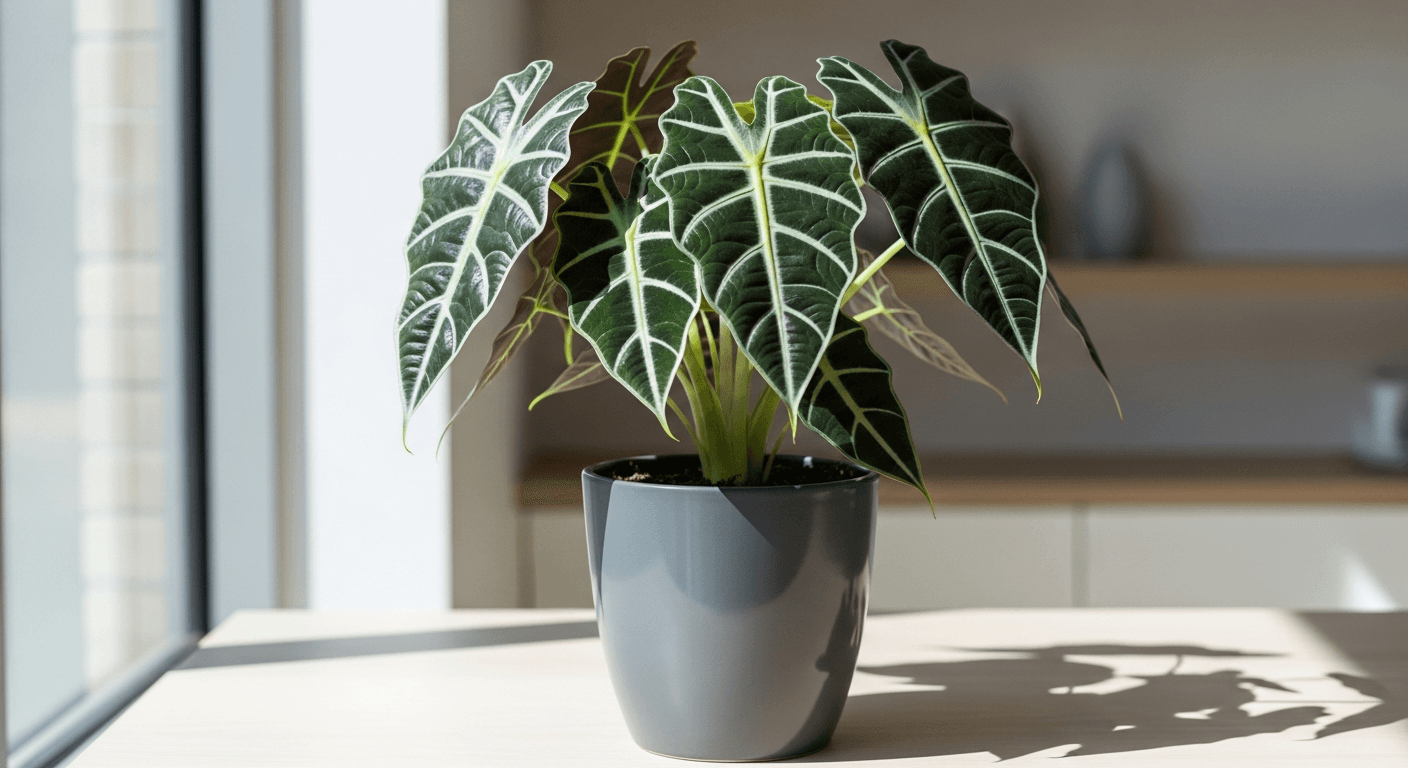
Alocasia (Elephant Ear): Care Guide
How to care for alocasia (elephant ear, Polly): bright indirect light, consistent watering, high humidity, winter dormancy, pests, and toxicity to pets.
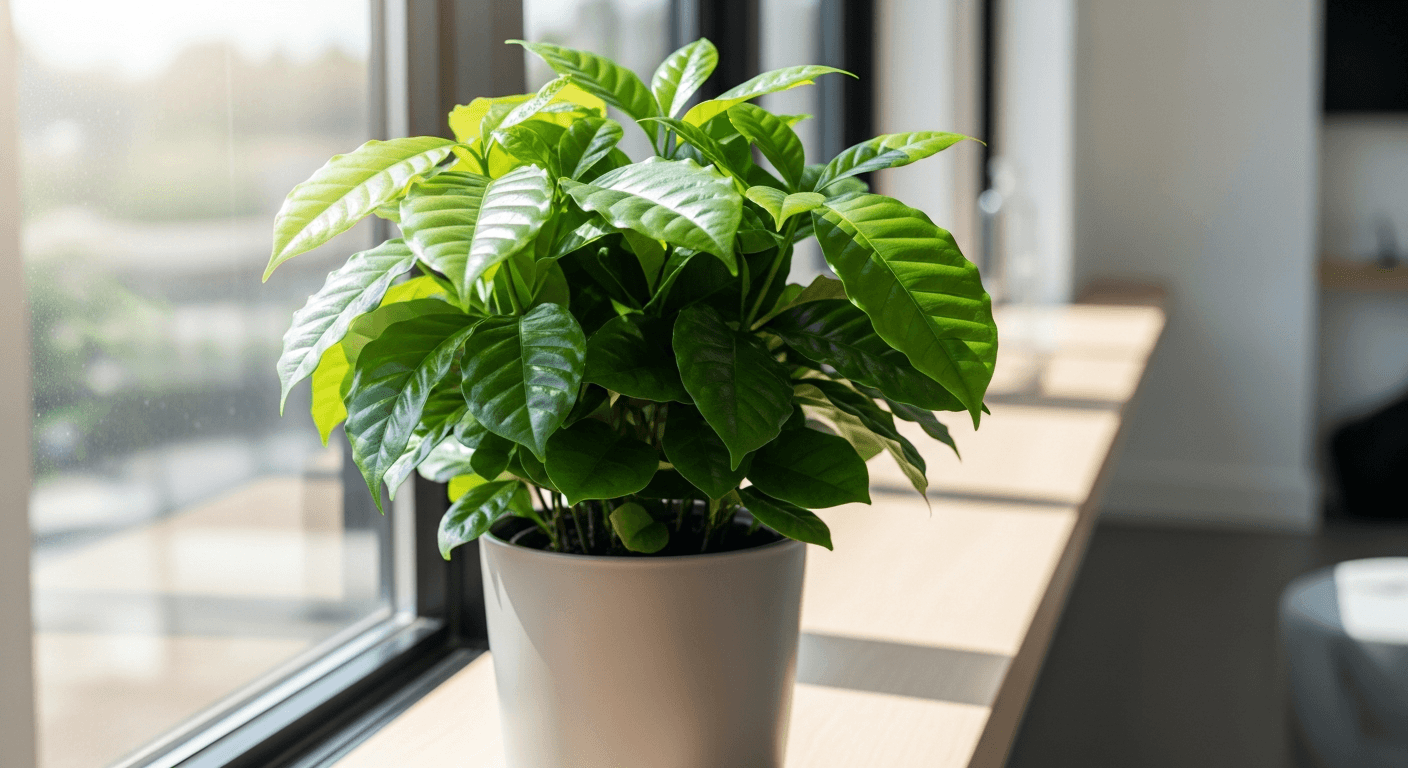
Coffee Plant Care: Growing Coffea at Home
Coffee plant (Coffea arabica) care as a houseplant: bright indirect light, humidity, watering, and whether you can really harvest your own coffee beans.
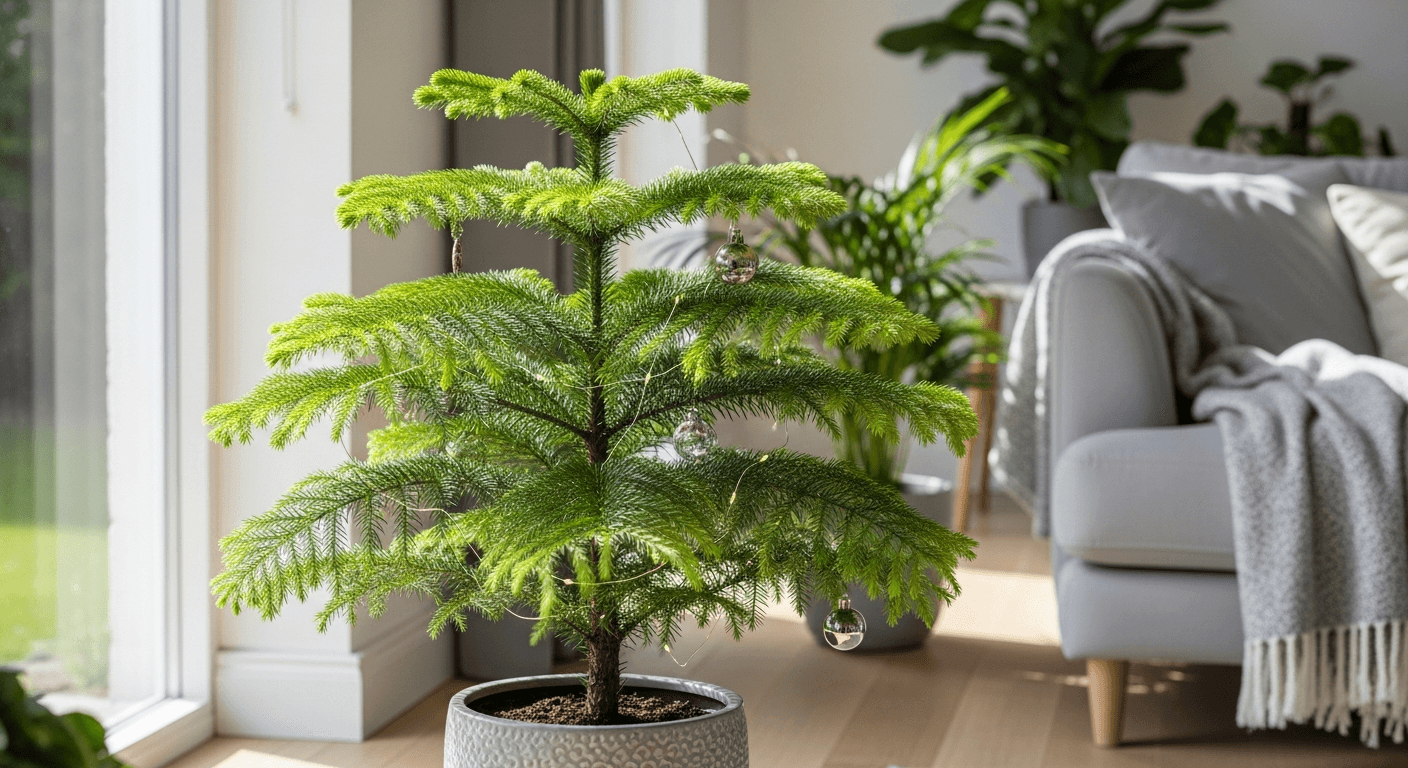
Norfolk Island Pine Care: The Living Christmas Tree
Norfolk Island pine (Araucaria heterophylla) care: light, watering, humidity and why its branches turn brown and drop. The living indoor Christmas tree guide.
Trouble with your plant?
AI diagnosis