Calathea: High Humidity and Soft Water, or Brown Tips
Calathea care: why it gets brown tips, which water to use, humidity, light and watering. The plant with stunning leaves that move at dusk. Pet-friendly too.
In this article
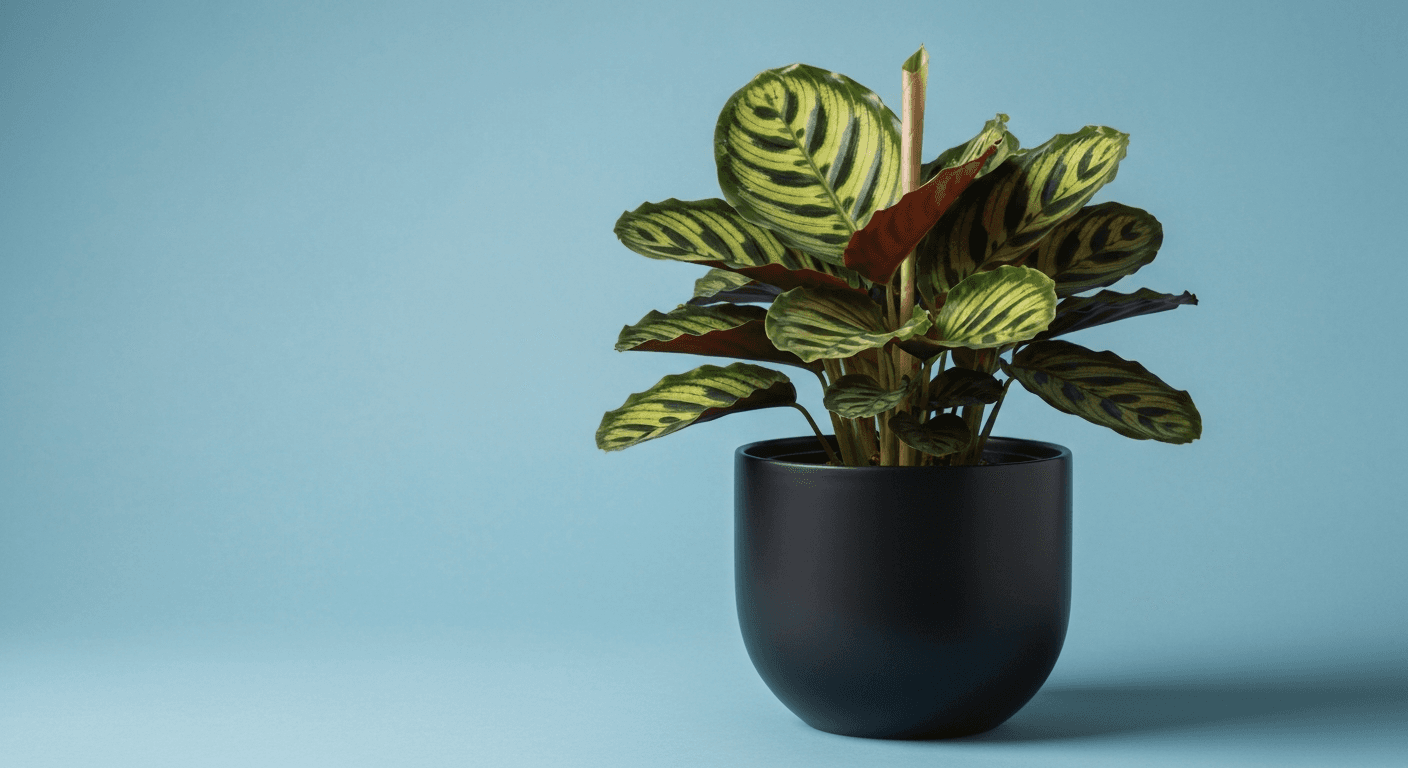
The Calathea has impossibly patterned leaves and, on top of that, it moves them: it folds them upward at dusk and lowers them with daylight. That's why it's called a "prayer plant," and for me it's one of the most fascinating plants you can keep indoors. It's stunning… and a little demanding. If you keep getting brown tips, this is your article: it almost always comes down to two things, the water and the humidity.
Why it "prays": the secret is a hinge
That movement is called nyctinasty. At the base of each leaf there's a fleshy joint, the pulvinus, that pumps water between its cells to raise or lower the leaf depending on the time of day. It's not magic or "thirst": it's an internal clock. A Calathea that stops moving is usually stressed by drought or cold, so the movement is also a good health indicator.
Is your plant looking off and you are not sure why?
Free AI diagnosisBasic care, point by point
Water: its biggest fussiness
The Calathea is very sensitive to minerals, fluoride and chlorine in tap water, which brown its tips and edges. It's by far the number-one cause of ugly tips. Use:
- Filtered, distilled or rain water (ideal).
- At the very least, tap water rested for 24-48 hours in an open jug (lets chlorine escape; lime won't leave this way).
Humidity: essential, not optional
It's a tropical understory plant: in the jungle it lives beneath other plants, in very high humidity. It wants 60% or more. With the dry air of heating, the tips will dry out for sure. Solutions, most to least effective:
- A humidifier nearby (what actually works).
- Grouping it with other plants to create a microclimate.
- A pebble tray with water under the pot (without the base touching the water).
Misting barely helps and, if the water is hard, spots the leaves. See the humidity guide.
Light
| Light level | Result |
|---|---|
| Medium-bright indirect | Vivid patterns and healthy leaves ✅ |
| Low light | Dull colors; little growth |
| Direct sun | Scorches and fades the patterns |
No direct sun: it erases the very patterns that make it special. A bright spot near a window, but out of the sun, is perfect. It handles low light better than many tropicals, but the colors look best in good indirect light.
Watering
Keep the soil slightly moist, never soggy or bone dry:
- Water when the top inch starts to dry (often twice a week in summer).
- In winter, cut back. Neither puddle nor drought: balance is key with this plant. The method is in the watering guide.
Soil and temperature
Airy soil that holds some moisture (peat or coco coir + perlite). Keep it warm (65-80 °F) and away from cold drafts and radiators, which stress it and curl its leaves.
Popular varieties
- Orbifolia: huge round leaves with silvery stripes.
- Medallion: oval, with a purple underside.
- Lancifolia (rattlesnake): long and wavy.
- Ornata (pinstripe): dark green with fine pink lines.
- White Fusion: white variegated, gorgeous but the most delicate.
Nerdy note: botanically many "Calatheas" have been reclassified as Goeppertia, but in shops you'll see them as Calathea.
Repotting and division
Repot every 1-2 years in spring. It's the time to divide the clump: carefully separate it into groups with roots and replant each. It's the easiest way to multiply it (leaf cuttings don't work on Calathea).
Common problems
| Symptom | Cause | Fix |
|---|---|---|
| Brown tips/edges | Chlorine/lime or dry air | Filtered water + high humidity |
| Curled or daytime-closed leaves | Drought or low humidity | Water and raise humidity |
| Faded colors | Too much or too little light | Bright indirect light |
| Brown leaf spots | Direct sun or hard water | Move off sun; lime-free water |
| Fine webbing underneath | Spider mites (love dry air) | Raise humidity and treat |
| Yellow leaves | Overwatering | Let it dry a bit more |
The good part: it's pet-friendly
Unlike many popular plants (such as the peace lily), the Calathea is non-toxic to dogs and cats. That's why it's on our list of pet-safe plants. If you love the leaf movement, you'll also love its cousin the maranta, or the colorful fittonia.
Give it lime-free water, high humidity and soft light, and you'll have one of the prettiest and most fascinating plants in the room. Yours looking off? Try the AI diagnosis tool and we'll help you read its signals.
Related articles
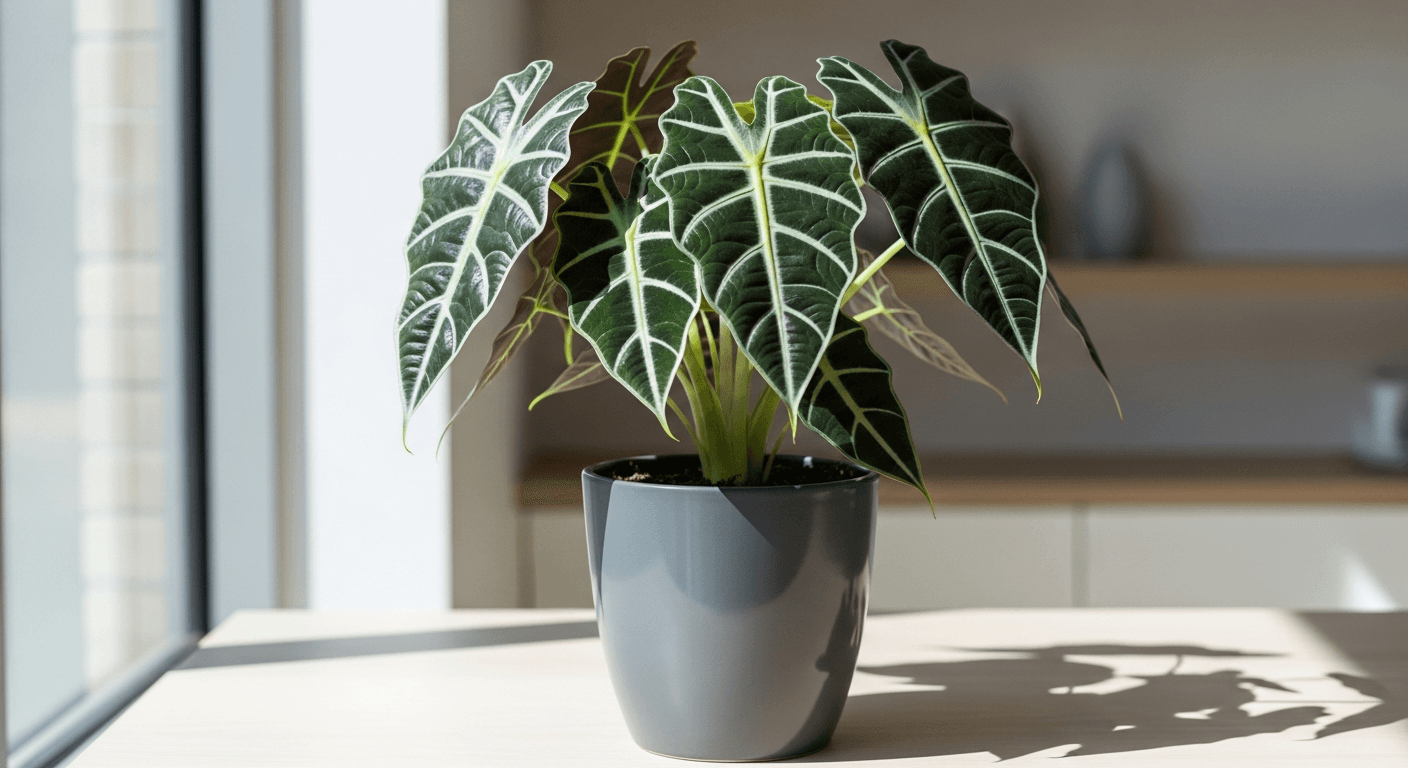
Alocasia (Elephant Ear): Care Guide
How to care for alocasia (elephant ear, Polly): bright indirect light, consistent watering, high humidity, winter dormancy, pests, and toxicity to pets.
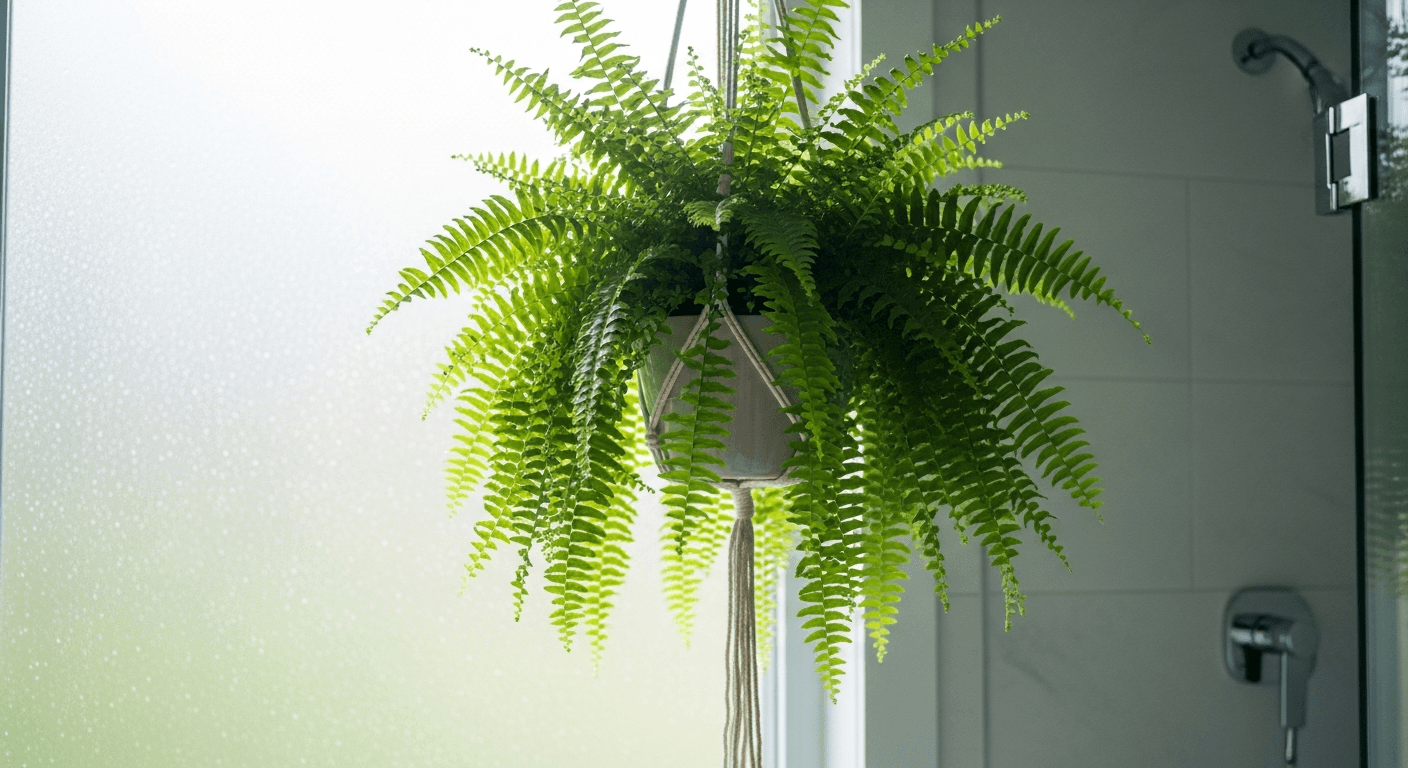
Boston Fern: Complete Care Guide
Boston fern care: humidity is the key, watering, indirect light, why fronds turn brown and crispy, and the fact that it's safe for pets.
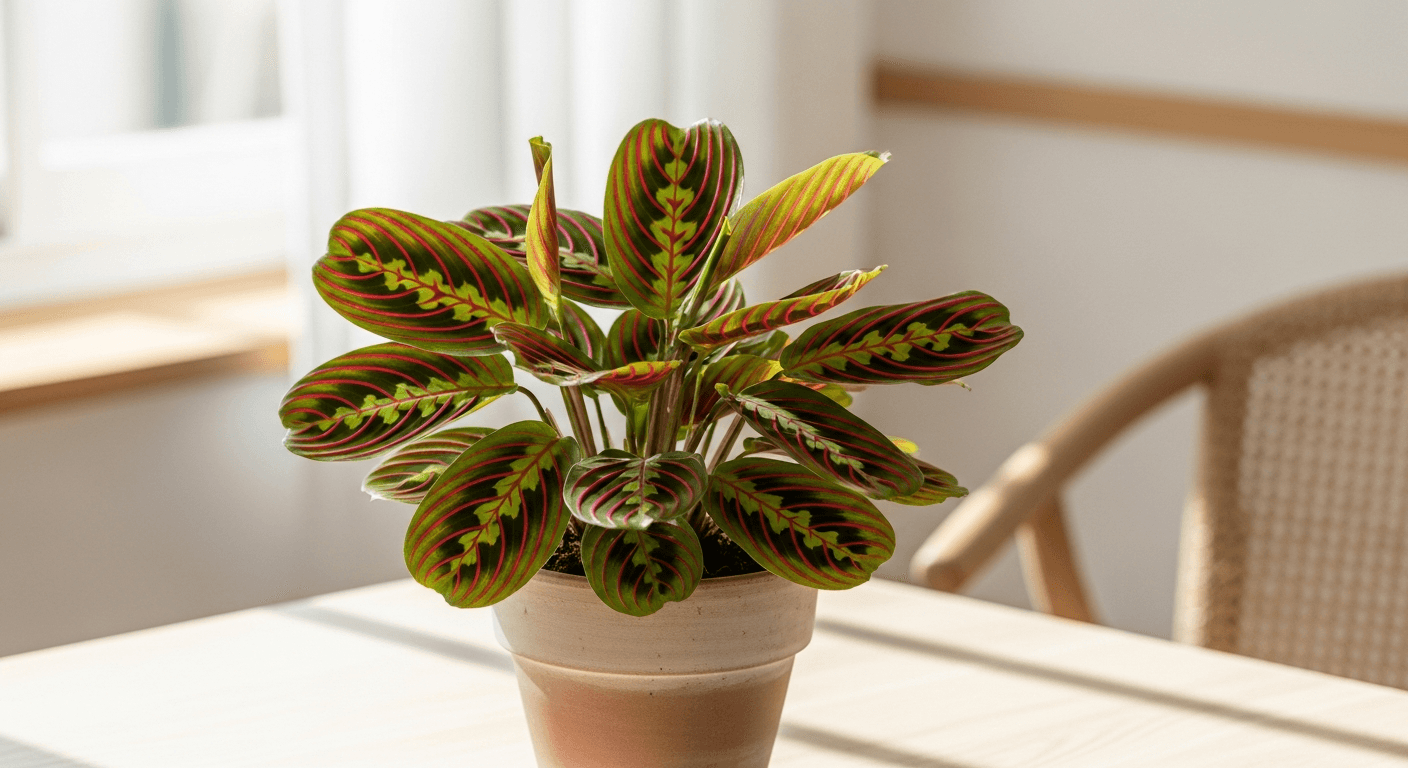
Maranta (Prayer Plant): Complete Care Guide
Care for the maranta or prayer plant: water quality, humidity, medium indirect light, why its leaves curl, and the fact that it's safe for pets.
Trouble with your plant?
AI diagnosis