Non-Toxic Plants for Homes With Cats and Dogs
A list of non-toxic indoor plants that are safe for cats and dogs. Decorate with greenery without worrying if your pet nibbles a leaf. With alternatives.

In this article
- Why this actually matters (and where the real danger is)
- The 15 pet-safe plants I actually recommend
- Prayer plants: beauty that comes with a humidity bill
- Palms: safe, but watch the species name
- Ferns: the species name matters here too
- Spider plants: safe, but they have a secret
- Safe edible herbs your kitchen will thank you for
- Popular plants that ARE toxic — keep these out of reach
- How to pet-proof a home with plants
- What to do if your pet eats a toxic plant
- A reassuring last word
I live with two cats, and over the years they have treated more than one houseplant like a personal salad bar. So I get the worry: you want a green, alive home, but the last thing you want is a 2 a.m. trip to the emergency vet because a curious paw knocked a leaf into a mouth. The good news, after a lot of trial, error and reading toxicity databases, is that you can have a lush home and a safe one. You just have to choose well.
This guide is the list I wish I had when I adopted my first cat. Every plant below is non-toxic to cats and dogs according to the ASPCA's plant database, plus the practical care notes and honest warnings I have learned keeping these alive around animals that climb, dig and chew.
Why this actually matters (and where the real danger is)
Cats are the big chewers. They nibble greenery partly out of boredom, partly to help move hairballs, and partly because a swaying leaf is just irresistible. Dogs are usually less interested in foliage but more likely to dig up a pot, knock it over, or eat a chunk of soil. Both behaviors put your plants — and sometimes your pet — at risk.
Here is the part worth tattooing on your brain: not all plant poisonings are equal. Most "toxic" houseplants contain insoluble calcium oxalate crystals (pothos, monstera, philodendron, dieffenbachia). When chewed, these cause intense mouth burning, drooling and sometimes vomiting — genuinely miserable, occasionally serious, but rarely fatal. The animal usually spits the plant out fast because it hurts.
Then there are the truly dangerous ones. True lilies (Lilium) and daylilies (Hemerocallis) cause acute kidney failure in cats, and even pollen licked off fur or a sip of vase water can be lethal. This is not a "watch and wait" situation. If a cat has any contact with a lily, that is a same-day emergency vet visit. There is no safe lily for a cat household, full stop.
The strategy that has kept my home incident-free: fill the easy-to-reach spaces with genuinely non-toxic plants, and treat anything questionable as off-limits or out of reach entirely.
Is your plant looking off and you are not sure why?
Free AI diagnosisThe 15 pet-safe plants I actually recommend
Every plant in this table is non-toxic to both cats and dogs. I have grouped the care notes so you can match a plant to the light you actually have.
| Plant | Light | Water | Why it earns a spot |
|---|---|---|---|
| Calathea / Maranta (prayer plants) | Medium indirect | Keep evenly moist | Showstopper leaves that fold up at night |
| Areca palm | Bright indirect | Slightly moist | Big tropical statement, grows tall |
| Parlor palm (Chamaedorea) | Low to medium | Let top dry | Classic, tough, tolerates dim corners |
| Boston fern (Nephrolepis) | Bright indirect | Stays moist + humid | Lush green fountain of fronds |
| Peperomia | Medium indirect | Let top 2 in dry | Compact, dozens of varieties |
| Pilea peperomioides | Bright indirect | Let top dry | Coin leaves, easy to propagate |
| Polka dot plant (Hypoestes) | Bright indirect | Keep moist | Pink and white speckled color pop |
| Fittonia (nerve plant) | Medium indirect | Loves humidity | Bold veins, perfect for terrariums |
| Spider plant (Chlorophytum) | Very adaptable | Let top dry | Bombproof, makes baby plantlets |
| Haworthia | Bright | Soak then dry fully | Small sculptural succulent |
| Hoya (wax plant) | Bright indirect | Dry between | Waxy leaves, fragrant flowers |
| Cast iron plant (Aspidistra) | Low light | Let top dry | Nearly indestructible |
| Christmas cactus (Schlumbergera) | Bright indirect | Dry between | Winter blooms, long-lived |
| Bird's nest fern (Asplenium) | Medium indirect | Stays moist | Wavy ripple-edged fronds |
| Friendship plant / baby's tears | Medium indirect | Keep moist | Soft mounding texture |
A few of these deserve a closer look, because the details are where people go wrong.
Prayer plants: beauty that comes with a humidity bill
Calatheas and marantas are, in my opinion, the most beautiful pet-safe plants you can buy. The catch is that they are drama queens about humidity and water quality. Crispy brown leaf edges almost always mean the air is too dry or the tap water is too hard. Give them filtered or rainwater, keep humidity above 50%, and never let them dry out completely. If your home is dry, read my notes on raising humidity for plants before you bring one home.
Palms: safe, but watch the species name
Both the areca palm and the parlor palm are excellent, genuinely non-toxic, and add real height to a room. One warning: the name "palm" is not a safety guarantee. The sago palm (Cycas revoluta) is not a true palm and is extremely toxic — it causes liver failure in dogs and is often fatal. If a plant is labeled sago palm or cycad, it does not belong in a pet home, period.
Ferns: the species name matters here too
A real Boston fern is one of the safest, lushest plants you can own, and cats love to bat at the fronds harmlessly. But "fern" is another word that hides a trap. The asparagus fern is not a true fern at all — it is a relative of asparagus, mildly toxic, and its berries can cause stomach upset. I keep mine, but only well out of reach. When in doubt, stick to true ferns like Boston, bird's nest, or maidenhair.
Spider plants: safe, but they have a secret
The spider plant — sorry, Chlorophytum — is non-toxic and nearly impossible to kill, which makes it my number-one starter recommendation. But here is the honest part: cats are weirdly attracted to it. It is thought to have a mild compound that some cats find mildly intoxicating, similar to catnip. It will not poison them, but a cat that gorges on the leaves may vomit. Hang it where the foliage cascades just out of jumping range and everyone stays happy.
Safe edible herbs your kitchen will thank you for
If you do any container herb gardening, you will be glad to know most culinary herbs are completely pet-safe and useful in the kitchen: basil, thyme, rosemary, sage, oregano, dill and cilantro are all non-toxic to cats and dogs. A sunny windowsill of herbs is one of the easiest pet-safe upgrades you can make.
And of course there is catnip itself, which is just a member of the mint family. Growing your cat its own pot of catnip or cat grass is the single best trick I know for redirecting a determined chewer away from your other plants. If you want it to last, grow mint and catnip in pots you can rotate, because cats will mow a single plant to the soil line in a week.
A small caution: garlic, chives, leeks and onions are toxic to cats and dogs (they damage red blood cells), so keep those alliums for harvesting only, never within nibbling range.
Popular plants that ARE toxic — keep these out of reach
You do not have to give up every gorgeous plant. You just have to be honest about which ones live up high, behind a door, or not at all. Here is a quick reference for the common offenders.
| Plant | Risk level | What it does |
|---|---|---|
| True lily / daylily | Severe (cats) | Kidney failure — emergency, even from pollen |
| Sago palm / cycad | Severe | Liver failure, often fatal in dogs |
| Dieffenbachia | Moderate | Oxalates: mouth burning, swelling, drooling |
| Monstera | Mild–moderate | Oxalates: oral irritation, drooling |
| Philodendron | Mild–moderate | Oxalates: oral irritation, vomiting |
| Pothos | Mild–moderate | Oxalates: mouth pain, drooling |
| Aloe vera | Mild | Vomiting, lethargy (the gel latex) |
| Snake plant (sansevieria) | Mild | Nausea, drooling |
A frequent question I get: what about the peace lily? Despite the name, it is not a true lily and does not cause the kidney failure that Lilium does. It contains calcium oxalates like a pothos, so it causes mouth irritation and drooling if chewed — unpleasant but not the deadly emergency a real lily is. I would still keep it out of reach of a determined chewer.
How to pet-proof a home with plants
Choosing safe plants is half the battle. The other half is managing animal behavior. Here is what actually works in my house.
- Go vertical. Hanging baskets, tall plant stands and high floating shelves put greenery in a layer cats and dogs cannot reach. This is how you keep the toxic-but-beautiful plants you love.
- Cover the soil. Many cats dig in pots, and some dogs eat soil (which can contain fertilizer or fungus gnat larvae). A layer of large river stones, pine cones, or a circle of chicken wire over the soil stops digging cold.
- Give them a legal target. A dedicated pot of cat grass or catnip is a decoy that draws chewing away from everything else. Refresh it before it gets demolished.
- Make pots boring or unpleasant. Cats dislike citrus and certain textures. A few orange peels on the soil, or double-sided tape on a pot rim, teaches them to lose interest.
- Match the plant to the light, not just to safety. A pet-safe plant that is slowly dying in a dark corner helps no one. If you are unsure how much light a spot gets, my guide to reading indoor light will save you a lot of guesswork.
- Quarantine new arrivals. New plants can carry pests, and the pesticides used at the nursery are not always pet-safe. Let new plants settle and rinse off any residue before they join the household.
What to do if your pet eats a toxic plant
Stay calm, but act. First, identify the plant (snap a photo of the label or the leaf) and remove any remaining pieces from your pet's mouth. Note roughly how much they ate and when.
For mild oxalate plants, you will usually see drooling, pawing at the mouth, or a single bout of vomiting. Watch closely; symptoms often ease within a few hours. For a lily and a cat, or a sago palm and a dog, do not wait for symptoms — go straight to the vet or an emergency clinic. In the US you can also call the ASPCA Animal Poison Control Center (a consultation fee applies); your local equivalent is worth saving in your phone now, before you ever need it.
Do not try to induce vomiting at home unless a vet specifically tells you to — with oxalate plants it can make the throat irritation worse.
A reassuring last word
I have kept plants and cats together for years, and the truth is that incidents are rare once you set things up sensibly. Choose mostly non-toxic plants, put the few risky ones out of reach, give your cat its own grass to chew, and you can have a home that is both jungle and safe haven.
If one of your safe plants is looking sad — crispy edges, yellowing, drooping — it is almost always a care issue rather than the cat. Snap a photo and run it through our AI plant diagnosis tool for a quick read on what is going wrong.
Related articles
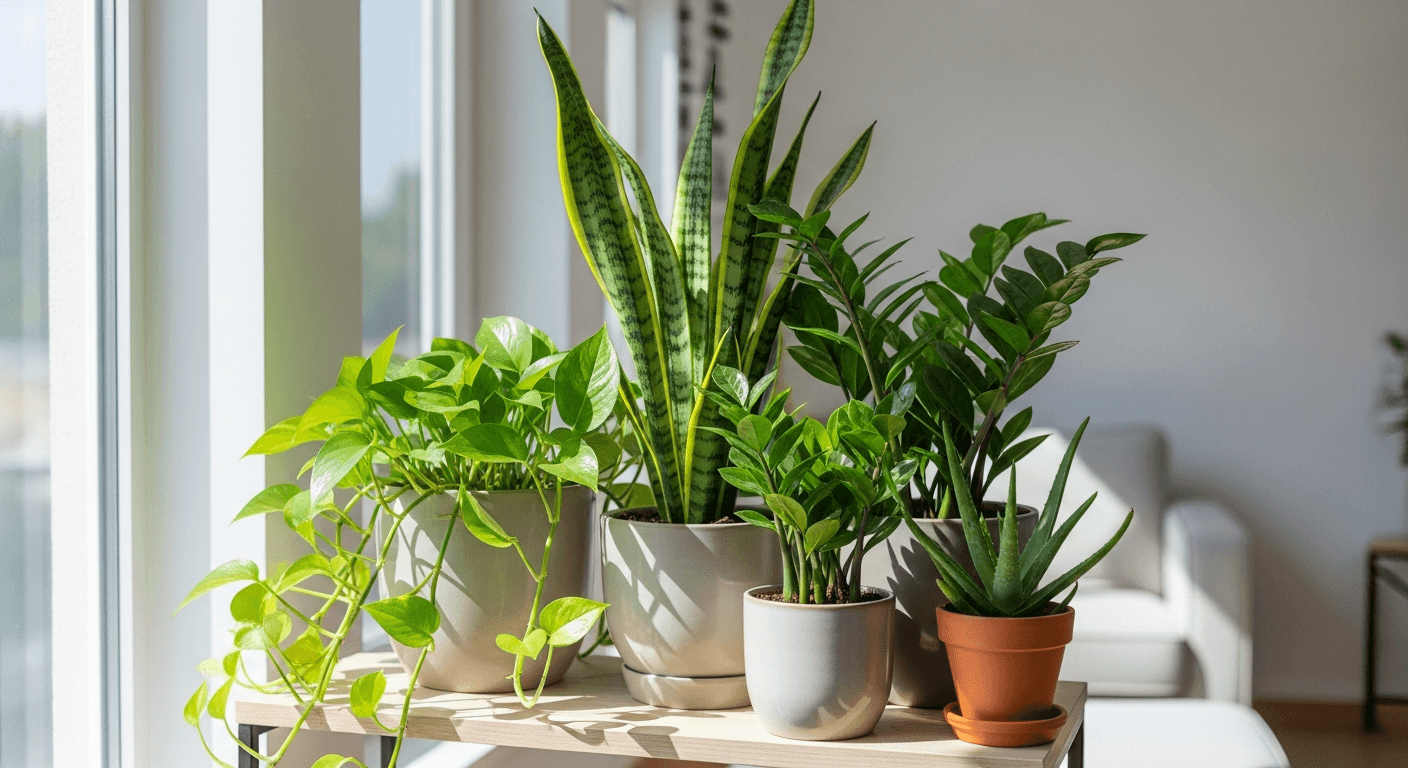
The 12 Best Indoor Plants for Beginners
Starting out with plants? These 12 are nearly impossible to kill: tough, forgiving and pretty. With light, water, toxicity and the habits that actually kill them.
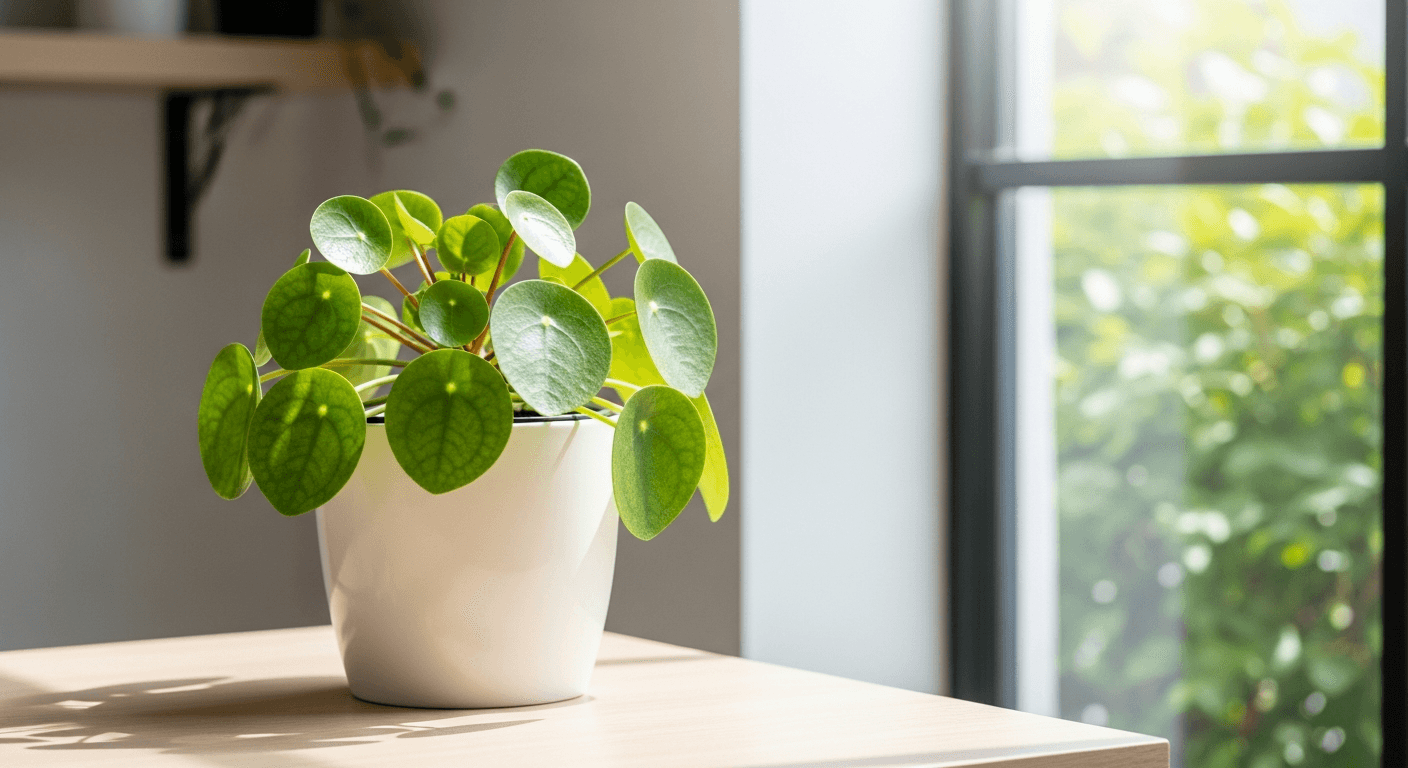
Pilea peperomioides: Care for the Chinese Money Plant
Pilea peperomioides (Chinese money plant) care: light, watering, why it makes so many pups and how to propagate it. Round, easy and pet-friendly.
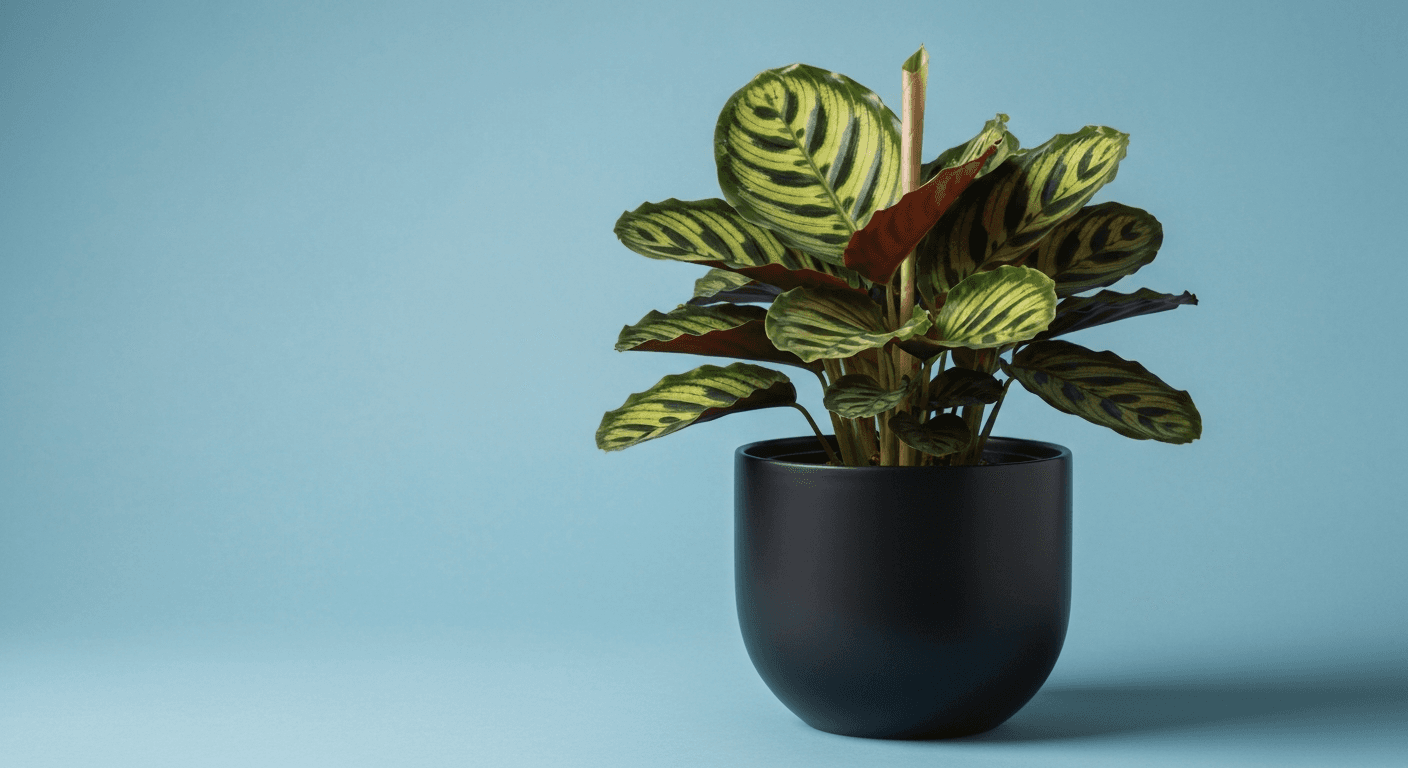
Calathea Care: The 'Prayer Plant' Without Brown Tips
Calathea care: why it gets brown tips, which water to use, humidity, light and watering. The plant with stunning leaves that move at dusk. Pet-friendly too.
Trouble with your plant?
AI diagnosis