Philodendron: Care for the Most Forgiving Climber
Philodendron care (climbing and upright): light, watering, a moss pole for bigger leaves, and how to propagate it. Tough, fast-growing and very decorative.
In this article
The Philodendron is, alongside pothos, the easiest and most rewarding tropical houseplant. It grows fast, forgives neglect, and there are varieties for every taste: heart-leaf climbers, big-leaf specimens, or variegated jewels like the 'Pink Princess'. It's one of my favorite genera precisely because of that range. Here's how to care for it properly.
Climbing vs. upright: two ways to grow
Under the name Philodendron there are two types with the same essence:
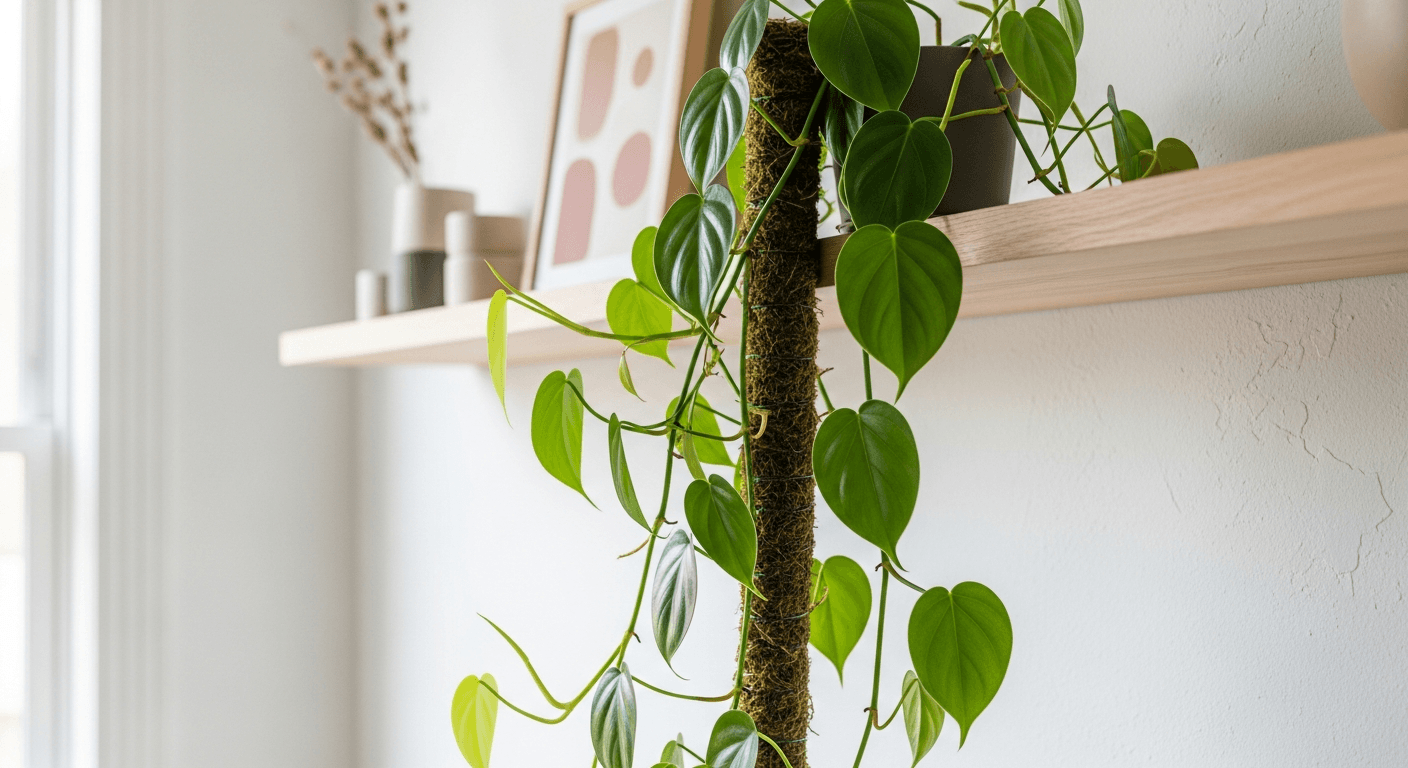
- Climbers (P. hederaceum/heart-leaf, Brasil, Micans): trailing or climbing stems; perfect for shelves, hanging pots or a moss pole.
- Upright/self-heading types (P. selloum/Hope, Xanadu, Birkin): form a big, bushy clump that holds itself up; they need more room.
Basic care is very similar for both; mostly the space they need changes.
Is your plant looking off and you are not sure why?
Free AI diagnosisBasic care, point by point
Light
| Light level | Result |
|---|---|
| Medium-bright indirect | Fast growth and firm leaves ✅ |
| Some shade | Slower growth, longer stems |
| Strong direct sun | Scorches the leaves |
Variegated types (Pink Princess, Brasil, Birkin) need more light to keep their color: in low light, new leaves come out greener. See the light guide.
Watering
Water when the top 1-2 inches of soil are dry. In spring-summer that's usually once a week; in winter, less. Dry over soggy: too much water rots the roots, its main cause of death. Water deeply and empty the saucer. The finger method is your best guide.
Humidity, temperature and feeding
Tropical: it appreciates humidity above 50%, though it tolerates a normal home better than the Calathea. Keep it between 65 and 80 °F (18-27 °C), away from cold drafts. Feed it spring to summer every 3-4 weeks at half strength for vigorous growth.
Soil and pot
Airy, free-draining mix (potting soil + perlite + a little bark). A pot with holes; repot every 1-2 years when it outgrows it.
Moss pole: the key to big leaves
As with the Monstera, climbing philodendrons grow much bigger leaves when they climb vertically. Give it a damp moss pole and tie the stems: its aerial roots will grab on and the plant will mature, with ever-larger leaves.
Popular varieties
- Heart-leaf (hederaceum): the classic heart-shaped leaf, nearly indestructible.
- Brasil: heart-leaf with lime-green variegation.
- Micans: velvety leaves with bronze sheen.
- Pink Princess: pink-and-black variegated, the most coveted.
- Birkin: leaves with fine white pinstripes, compact habit.
- Selloum/Hope and Xanadu: upright with large lobed leaves.
Propagation step by step (very easy)
- Cut a piece of stem just below a node, leaving 2-3 leaves.
- Put it in water (node submerged) or straight into damp soil.
- In 2-4 weeks you'll have roots.
- Pot it up and water it. A free new plant! More in how to propagate plants.
Common problems
| Symptom | Likely cause | Fix |
|---|---|---|
| Yellow leaves | Overwatering | Let it dry; check drainage |
| Soft, dark base | Root rot | Cut watering; replant healthy parts |
| Long stems with widely spaced leaves | Too little light | Move it closer to a window |
| Greener new leaves (variegated) | Low light | More indirect light |
| Brown tips | Dry air or hard water | Raise humidity; rested water |
Is it toxic?
Yes, like almost all aroids it contains calcium oxalates: it irritates the mouths of pets and children if chewed. Keep it up high or out of reach; if you have pets, see pet-friendly plants. If you like its climbing habit, you'll also like the syngonium.
With medium light, careful watering and a moss pole, the Philodendron will give you a tropical cascade for minimal effort. Yours looking off? Try the AI diagnosis tool.
Related articles
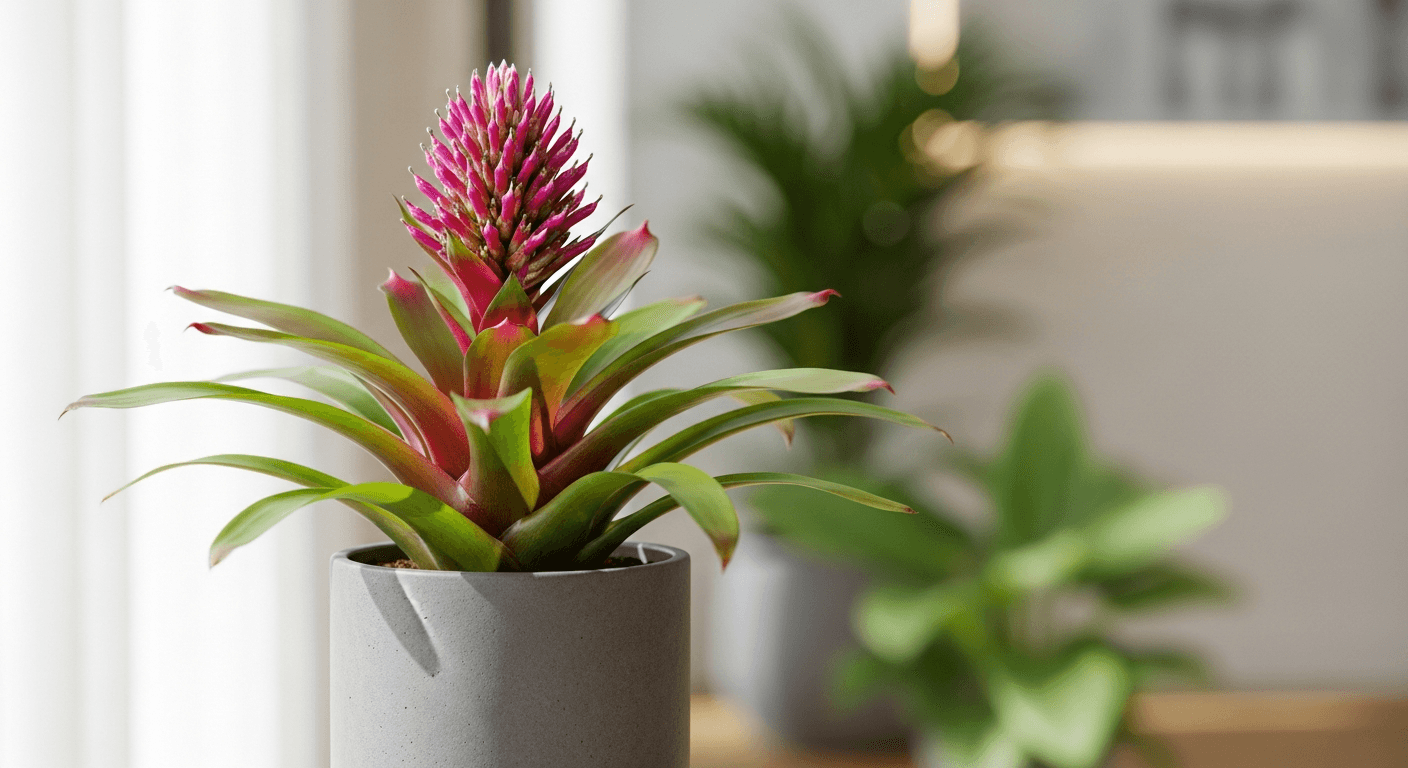
Bromeliad Care: Watering the Central Cup and Pups
Bromeliad care: watering the central cup, bright indirect light, humidity and what to do with the pups when the plant flowers and dies. Full guide.
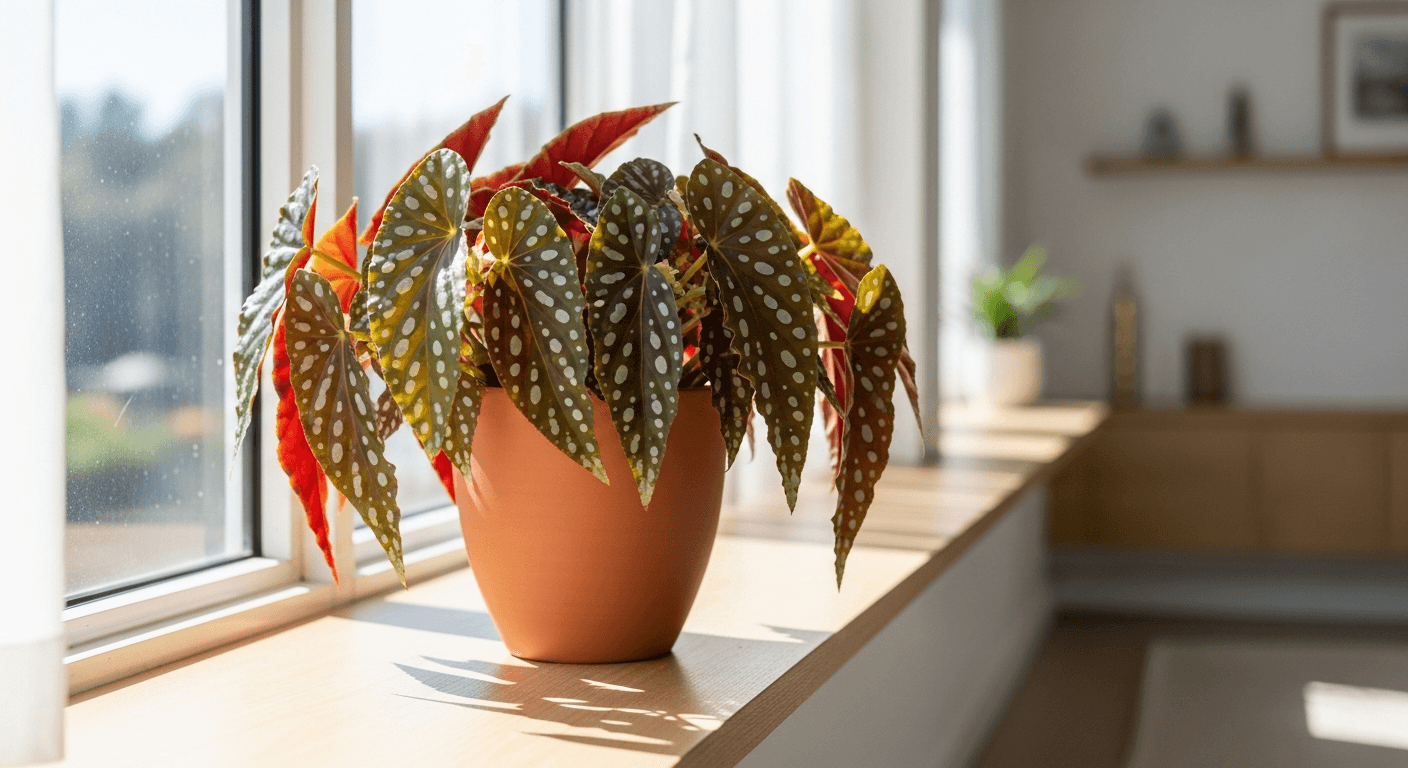
Begonia Care: Rex and Maculata (Polka Dot) Begonias
Begonia rex and maculata care: bright indirect light, watering without wetting the leaves, humidity, propagation and why it's toxic to pets. Full guide.
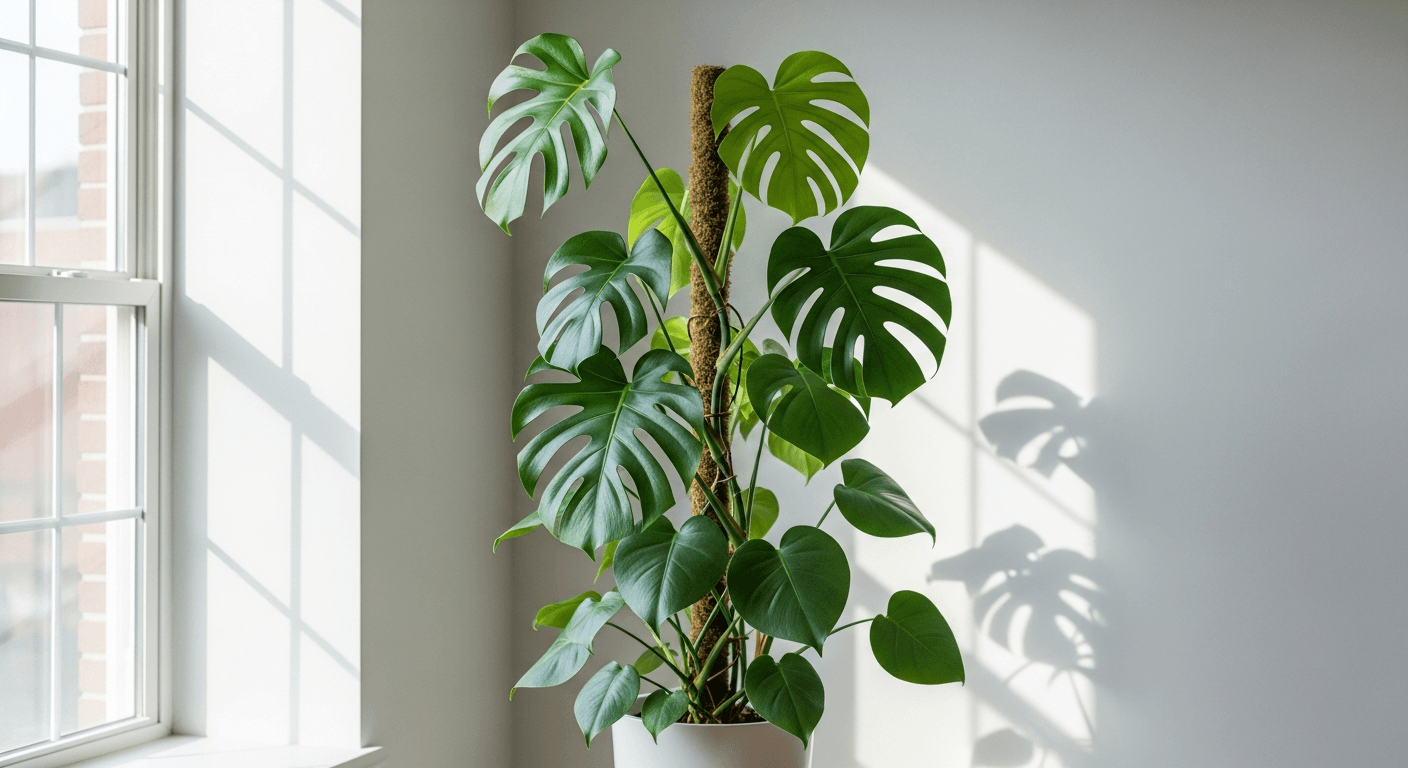
Moss Pole: How to Use and Make One at Home
A moss pole guide for climbing plants like Monstera and philodendron: what it's for, how to build one, attach the plant and keep the moss moist.
Trouble with your plant?
AI diagnosis