Pothos: The Easiest Houseplant There Is
Pothos is the perfect plant to start with: tough, fast-growing and forgiving. Learn how to water it, light it, propagate it and keep it lush.
In this article
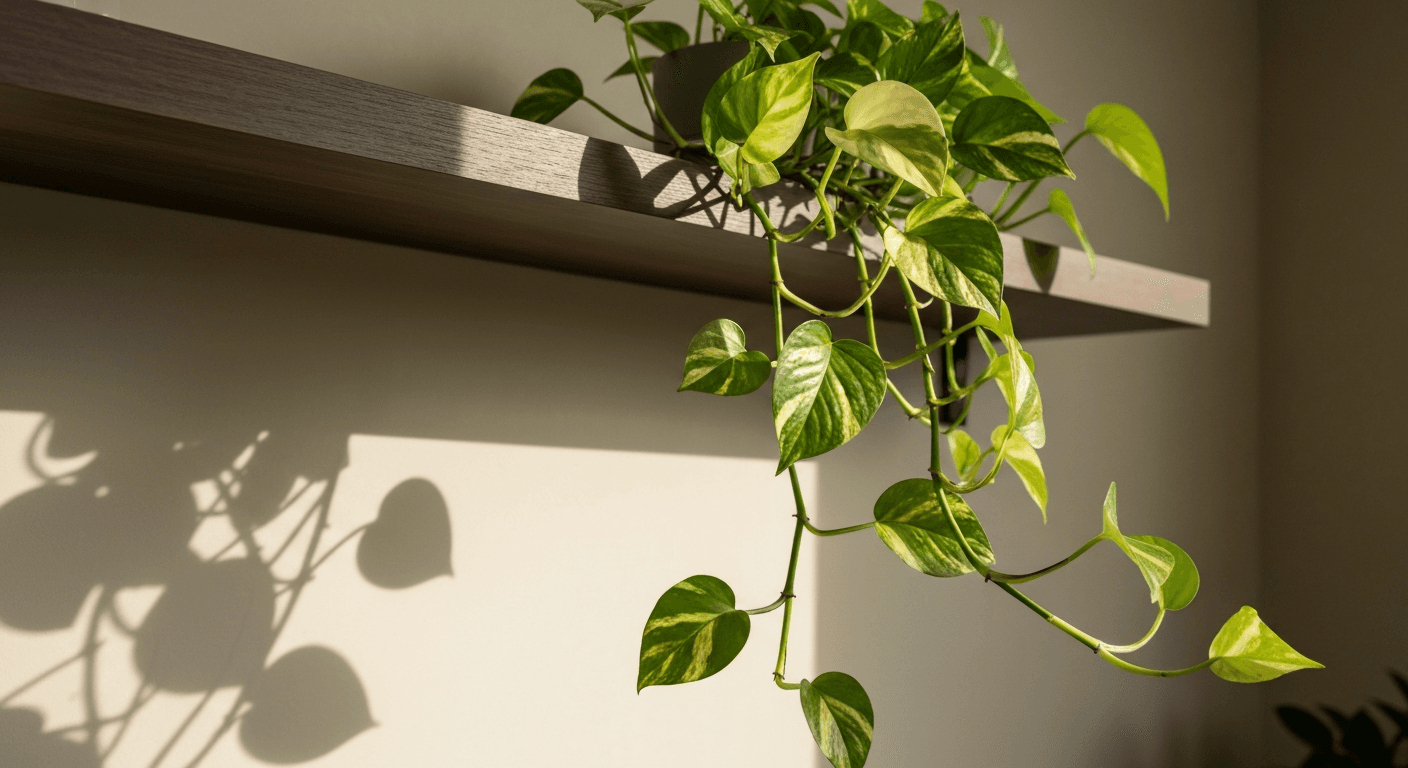
If you could only have one plant to start with, it would be pothos. Nearly indestructible, fast-growing, forgiving of forgetfulness and easy to propagate in a glass of water. That's why it's the most gifted houseplant in the world, and the one I always recommend to anyone who thinks "every plant dies on me." Here's everything to keep yours spectacular — including what to do when something goes wrong.
Why it's so easy
Pothos (Epipremnum aureum) is a tropical climber used to the shade of the jungle floor, where it scrambles up trees in low direct light. That adaptation is exactly what makes it so tough indoors: it tolerates low light, irregular watering and a wide range of conditions. It's also one of the few plants that "tells" you when it's thirsty: its leaves go soft and limp and bounce back within hours of watering. If you're coming off a streak of dead plants, it's your best starting point (see also the best plants for beginners).
Is your plant looking off and you are not sure why?
Free AI diagnosisBasic care, point by point
Light
| Light level | Result |
|---|---|
| Medium-bright indirect | Fast growth and vivid variegation ✅ |
| Low light | Slower, greener growth; copes well |
| Strong direct sun | Scorches the leaves: pale patches |
Heavily variegated types (Marble Queen, N'Joy) need more light to keep their pattern; if they lose the white and turn green, move them closer to the window. It's one of the best choices for low-light corners, though it grows more slowly there. Check the indoor light guide to place it well.
Watering
Water when the top 1-2 inches of soil are dry: generally once a week in summer and every 10-14 days in winter. Dry over soggy: overwatering and poor drainage are its only real enemy, because they rot the roots. Water deeply, let it drain, and empty the saucer. When in doubt, the finger method never fails.
Humidity, temperature and feeding
Pothos isn't fussy: it does fine in normal household humidity and between 65 and 80 °F (18-27 °C). It appreciates a little extra humidity (bigger leaves) but doesn't need it. From spring to summer, a balanced fertilizer at half strength every 3-4 weeks keeps it lush; in winter, it rests.
Popular varieties
- Golden Pothos: green with golden marbling, the classic and the toughest.
- Marble Queen: heavily variegated, white and green; needs good light.
- Neon: bright lime green, great for brightening dark corners.
- N'Joy / Pearls and Jade: small leaves with white edges, more compact growth.
- Cebu Blue / Manjula / Global Green: sought-after variegated types, same care.
They're all cared for the same way; only their light needs change with how much white they carry.
Water propagation (free and easy)
It's the ideal plant to start propagating with:
- Cut a piece of stem just below a node (the bump where aerial roots emerge), leaving 2-3 leaves.
- Put it in a glass of water with the node submerged and the leaves above.
- Change the water every 3-4 days so it doesn't rot. In 1-2 weeks you'll see roots.
- When they reach 1-2 inches, pot it into soil and water it well. A brand-new plant!
More tips in how to propagate plants.
How to get a bushy pothos (not a "bald" one)
The classic mistake is letting very long vines trail with leaves only at the tips. For a dense clump:
- Prune long vines just above a node: each cut triggers two new branches.
- Gather the cuttings you take into the same pot to fill it out.
- Train it up a pole or a wall cord, or let it trail from a high shelf.
Quick care table
| Care | Pothos |
|---|---|
| Light | Medium indirect; tolerates low |
| Water | When dry (1-2 in) |
| Humidity | Normal household |
| Difficulty | Very easy |
| Pets | Toxic if eaten |
Common problems
| Symptom | Likely cause | Fix |
|---|---|---|
| Yellow leaves | Overwatering | Let it dry more; check drainage |
| Losing variegation | Too little light | Move it closer to the window |
| Brown tips | Dry air or chlorinated water | Raise humidity; rested water |
| Long, "bald" vines | Low light / no pruning | More light and formative pruning |
| Gnats in the soil | Soil always wet | Let it dry; see fungus gnats |
| Soft, dark base | Root rot | Cut watering; replant healthy parts |
Is it toxic?
Yes — like many aroids (the same as the Monstera or the philodendron) it contains calcium oxalates: keep it out of reach of pets and children. If you have animals that chew plants, choose pet-safe options like the spider plant instead.
Does it really purify the air?
It's famous from the NASA clean-air studies. The reality: in a sealed lab it removes certain compounds, but in a normal room you'd need dozens of plants for a measurable effect. Enjoy it for what it is — a beautiful, easy plant — rather than as an air purifier. That said, adding greenery to your home always feels good.
Give it decent light and don't drown it, and pothos will reward you with yards of green garlands for minimal effort. Got one looking rough? Upload a photo to our AI diagnosis tool and we'll help.
Related articles
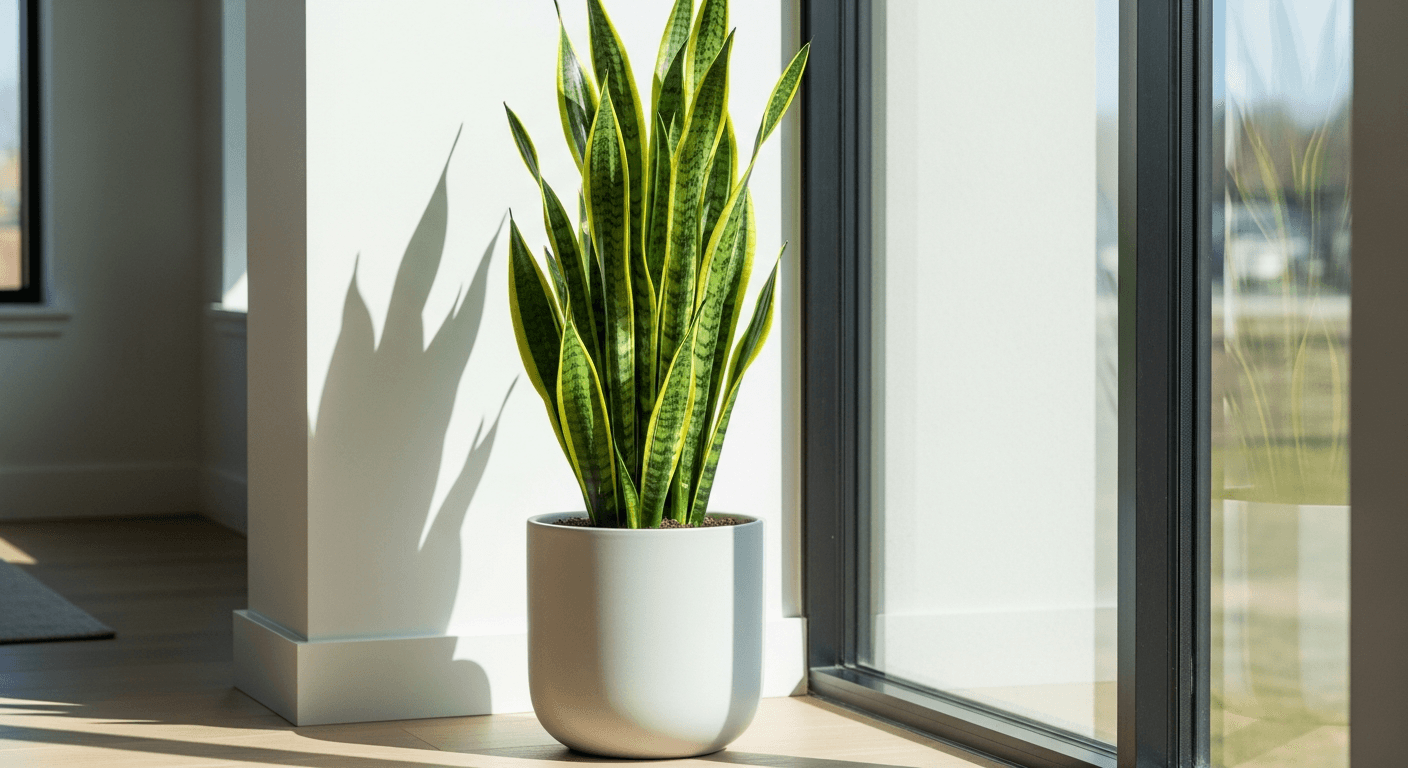
Snake Plant (Sansevieria): The Plant You Almost Can't Kill
Snake plant (Sansevieria) care: minimal watering, light, why it's perfect for beginners, how to propagate it, and the only mistakes that actually kill it.
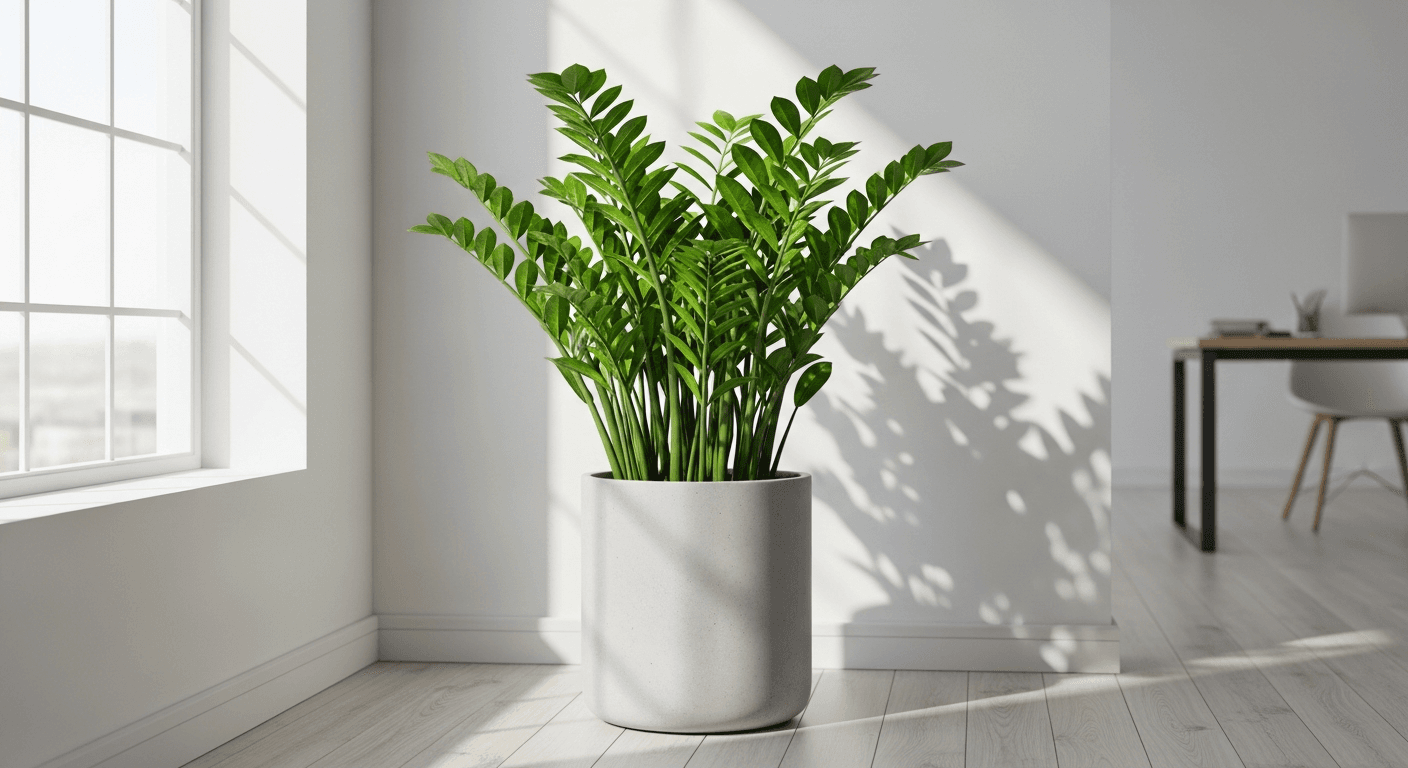
ZZ Plant (Zamioculcas): Care for the Toughest Houseplant
ZZ plant (Zamioculcas) care: it handles low light and missed waterings. Learn light, watering, propagation and why it's the ideal plant for offices.
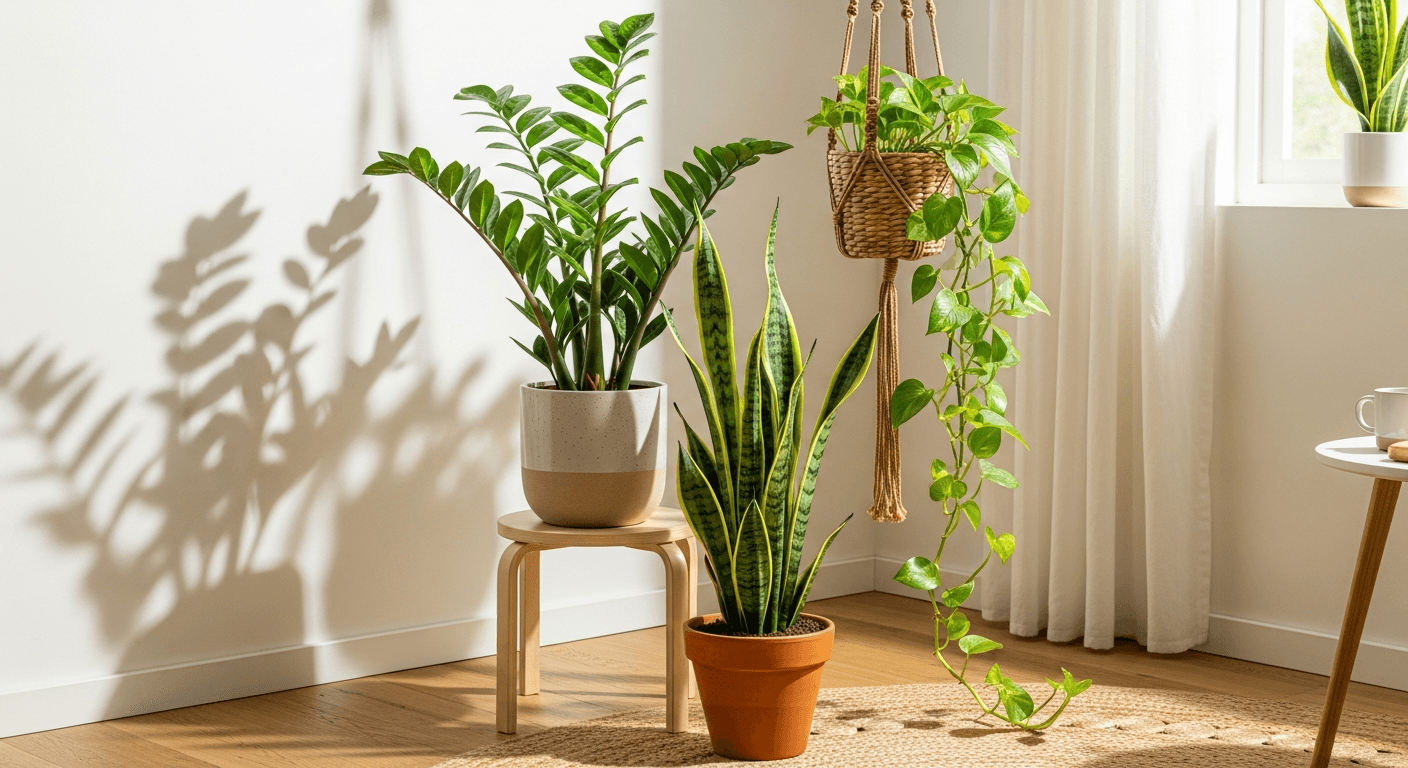
The Best Plants for Low-Light Indoor Spaces
Got a dark flat or a room with no sun? These plants thrive in low light. A list with their care and the tricks to keep them alive where others die.
Trouble with your plant?
AI diagnosis