Spider Plant: The Easiest Pet-Safe Trailing Plant
Spider plant (Chlorophytum) care: light, watering, why it grows 'pups' and how to propagate it in minutes. Tough, air-purifying and pet-safe.
In this article
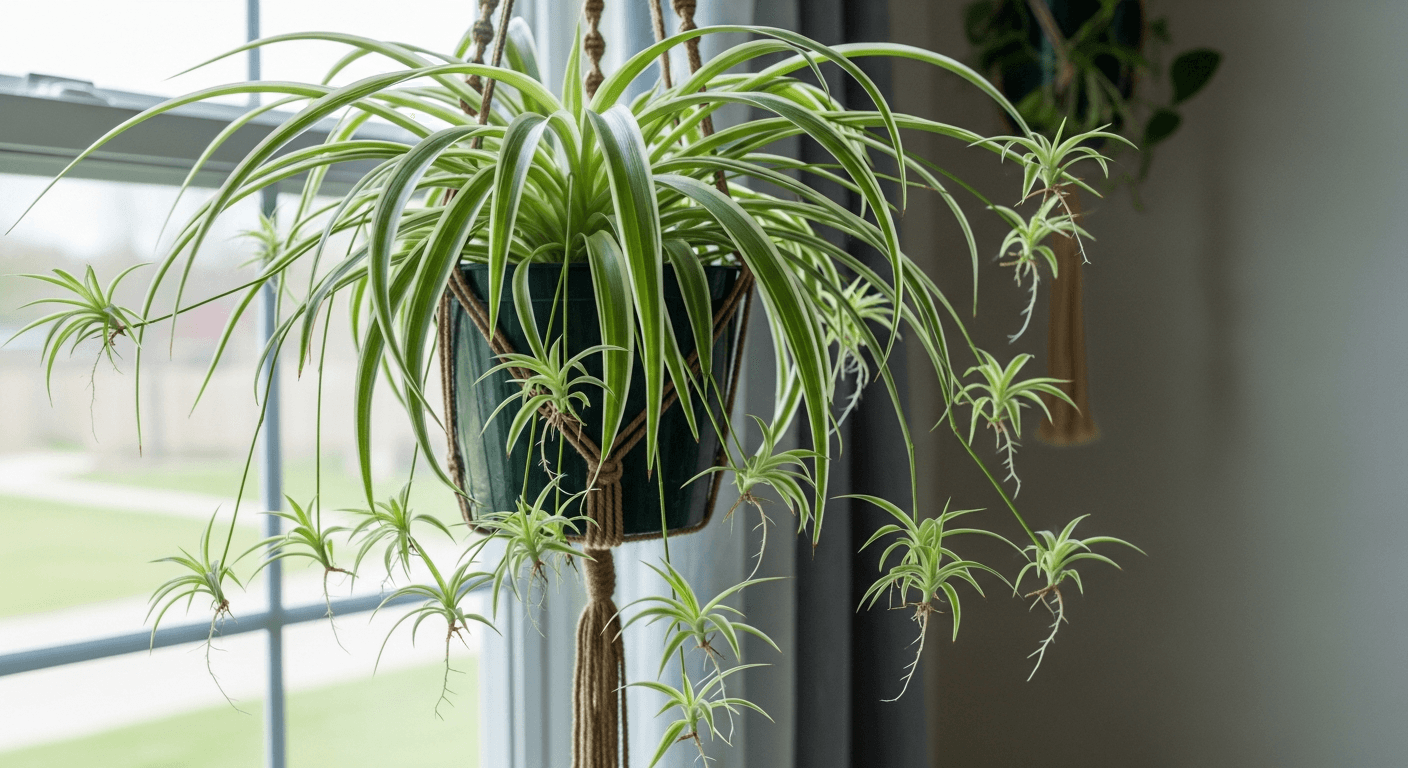
The spider plant (Chlorophytum comosum) is one of the easiest and most rewarding trailing plants out there. It grows fast, shrugs off neglect and — best of all — propagates itself, sending out little plantlets that dangle like spiders. It's one of the first plants I recommend to beginners, especially those with pets, because it's also non-toxic. Here's everything to keep it lush and full of pups.
Basic care, point by point
Light
| Light level | Result |
|---|---|
| Medium-bright indirect | Fast growth and bold stripes ✅ |
| Some shade | Slower growth; still fine |
| Strong direct sun | Scorches and pales the leaves |
Variegated types (with white stripes) keep their pattern better with good light; in low light they tend to go greener. It's excellent among trailing plants.
Is your plant looking off and you are not sure why?
Free AI diagnosisWatering
Water when the top inch of soil is dry. It likes regular moisture while growing but handles neglect well thanks to thick, tuberous roots that store water. In winter, space out the waterings. Go by the finger test (see the watering guide).
Water: the cause of brown tips
If the tips turn brown, it's almost always the chlorine and especially the fluoride in tap water, to which the spider plant is particularly sensitive. Use water rested 24 hours, filtered or rainwater, and you'll see fewer tips. Over-feeding also causes them: with this plant, a little fertilizer is plenty.
The "pups": propagation in minutes
When it's happy and mature, the spider plant sends out runners (long stems) with plantlets at the tip. It's the easiest propagation there is:
- Wait for the pup to grow little roots at its base (you'll see small bumps).
- Snip it off the runner with clean scissors.
- Plant it straight into damp soil, or root it first in a glass of water and then pot it up.
In a few weeks you'll have a new plant, great for gifting. More methods in how to propagate plants.
Humidity, temperature and feeding
It's not fussy about humidity, though it appreciates a little extra (fewer brown tips). Keep it between 60 and 80 °F (15-27 °C). Feed at half strength every 4-6 weeks in spring-summer; too much causes brown tips.
Soil and pot
All-purpose soil with good drainage and a pot with holes. It's fine a bit snug; if the thick roots push the plant upward or poke out the top, it's time to repot (see how to repot a plant).
Popular varieties
- Vittatum: the classic, with a central white stripe.
- Variegatum: white margins, green center.
- Bonnie: curly leaves, compact.
- Ocean: smaller, cream margins.
Why won't it grow pups?
It's the most common question. It usually needs two things: maturity (young plants don't produce them yet) and enough light. Interestingly, being a bit pot-bound and the shorter days of autumn also help. If it has healthy leaves but no runners, give it more light and time.
Quick care table
| Care | Spider plant |
|---|---|
| Light | Medium-bright indirect |
| Water | When dry (top inch) |
| Humidity | Normal household |
| Difficulty | Very easy |
| Pets | Non-toxic ✅ |
Common problems
| Symptom | Likely cause | Fix |
|---|---|---|
| Brown tips | Fluoride/chlorine in water or over-feeding | Rested/filtered water; less feed |
| Pale leaves | Too much direct sun or lack of nutrients | Move off sun; feed lightly |
| No pups | Too little light or young plant | More light + patience |
| Yellow leaves | Overwatering | Let it dry; check drainage |
| Soft center of the rosette | Overwatering | Cut back watering |
The best part: it's pet-friendly
The spider plant is non-toxic to dogs and cats, making it one of the safest options (it's on our pet-safe plants list). That said: many cats are drawn to it and may nibble or vomit if they overindulge; it's not dangerous, but put it up high if your cat is very keen. Other safe and pretty options are the calathea or, instead of the toxic peace lily, the pet-safe pothos (actually also toxic, so keep it high).
Give it decent light and regular watering, and the spider plant will fill a corner with green cascades and pups to give away, for zero effort. Yours looking off? Try the AI diagnosis tool.
Related articles
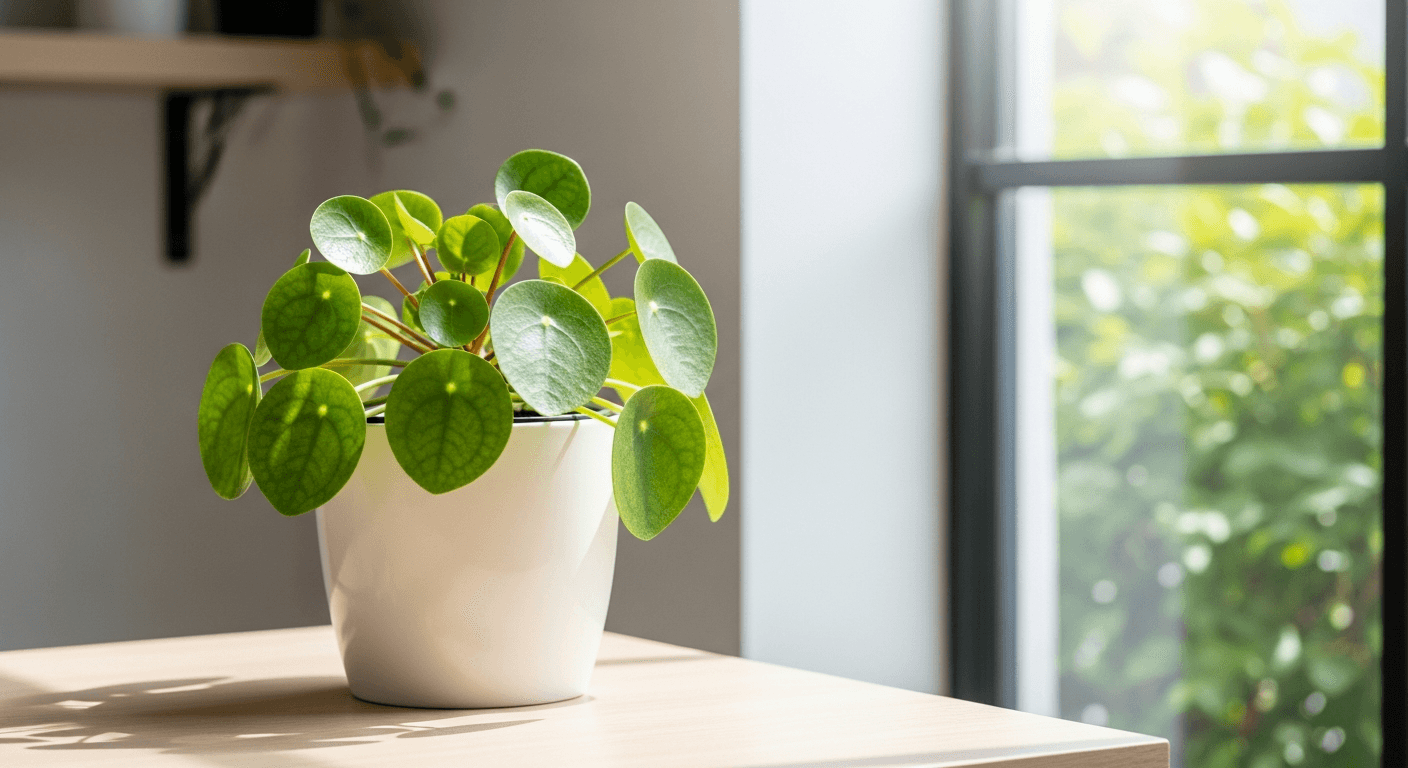
Pilea peperomioides: Care for the Chinese Money Plant
Pilea peperomioides (Chinese money plant) care: light, watering, why it makes so many pups and how to propagate it. Round, easy and pet-friendly.
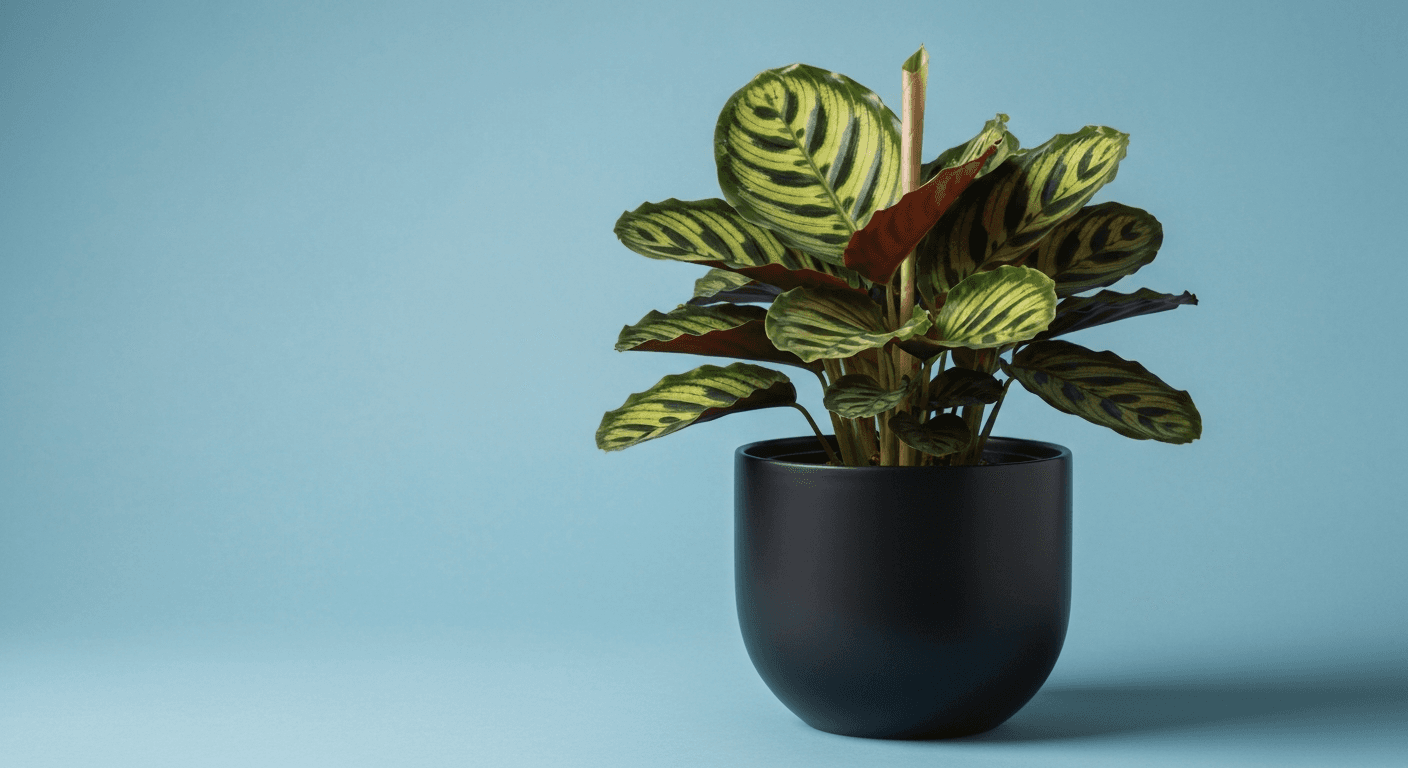
Calathea Care: The 'Prayer Plant' Without Brown Tips
Calathea care: why it gets brown tips, which water to use, humidity, light and watering. The plant with stunning leaves that move at dusk. Pet-friendly too.
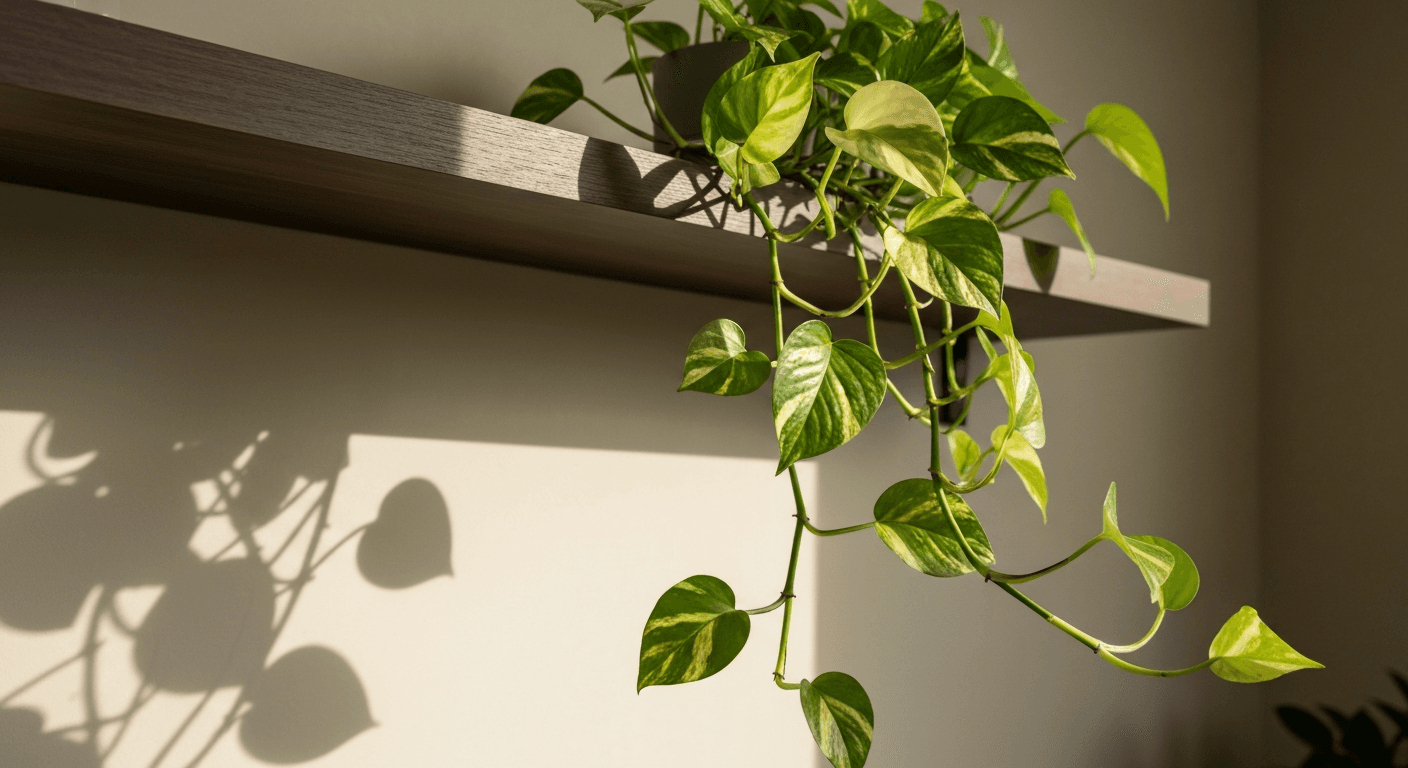
Pothos: Care for the Easiest Plant in the World
Pothos is the perfect plant to start with: tough, fast-growing and forgiving. Learn how to water it, light it, propagate it and keep it lush.
Trouble with your plant?
AI diagnosis